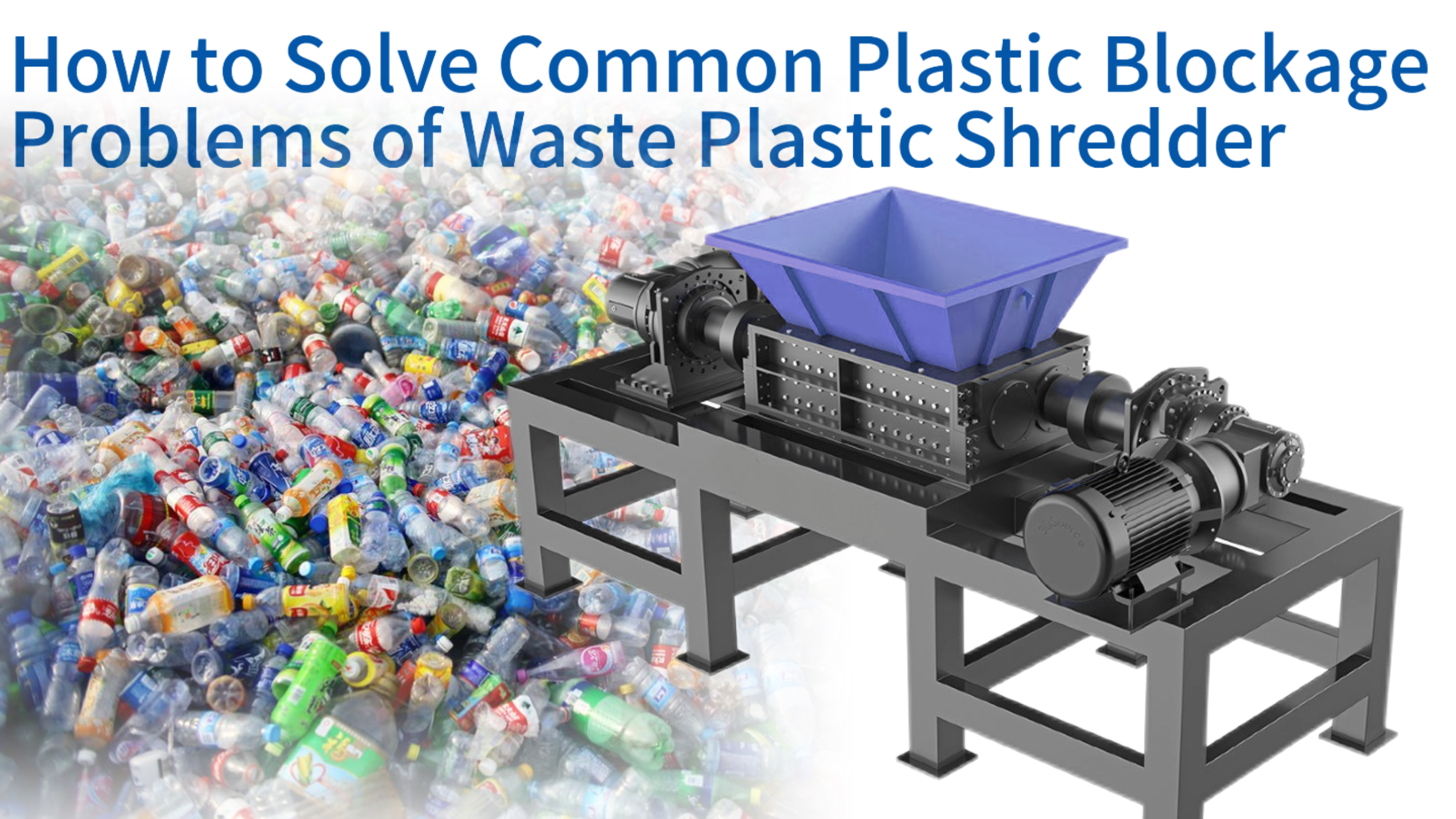
Waste plastic shredders are essential machines in recycling operations. They reduce large plastic items into smaller fragments. This process prepares materials for further recycling steps. However, blockage problems frequently interrupt this work. Blockages stop production and require manual cleaning. This downtime costs money and reduces efficiency. Understanding how to solve these common issues is vital for any recycling facility. This article provides practical solutions based on industry experience. It covers causes, operational changes, mechanical adjustments, and maintenance. Advanced technological solutions are also explored. With proper knowledge, operators can keep plastic shredder machines running smoothly. This guide aims to help both new and experienced users. It draws on real-world data and expert insights from MSW Technology, a company with 15 years of experience in shredding solutions. By following these recommendations, facilities can minimize disruptions and maximize output.
Understanding the Causes of Blockages in Waste Plastic Shredders
Blockages in plastic shredders do not happen randomly. They result from specific conditions and factors. Identifying these root causes is the first step toward solving them. Common causes include material properties, feeding errors, and component wear. Each factor interacts with the machine's design. For example, thin plastic films behave differently than rigid containers. Operators must recognize these differences. This understanding allows for targeted prevention. Data from recycling facilities shows that 70% of blockages stem from preventable causes. Therefore, education and awareness are powerful tools. This section breaks down the primary reasons for jams. It explains how each factor contributes to flow interruptions. Armed with this knowledge, users can take corrective actions before problems escalate. The design of the hopper anti-bridging system plays a crucial role in material flow at the entry point.
Key Causes of Plastic Shredder Blockages
| Cause Category | Frequency (%) | Primary Impact |
|---|---|---|
| Material Characteristics | 30 | Wrapping, bridging, adhesion issues |
| Inconsistent Feeding | 20 | Overloading, uneven material flow |
| Blade Wear & Dulling | 18 | Ineffective cutting, stringy output |
| Screen Mesh Clogging | 15 | Backpressure buildup, reduced throughput |
| Foreign Objects | 10 | Mechanical damage, material catching |
| Shaft Speed/Configuration | 7 | Uneven cutting, material melting |
Material Characteristics and Their Impact on Flow
Different plastic types have unique physical properties. Soft plastics like films and bags tend to wrap around rotating shafts. This wrapping creates layers that eventually jam the machine. Hard plastics like bottles or pipes may shatter but can also bridge across the hopper opening. This bridging stops material from entering the cutting chamber. High-density materials also require more cutting force. If the force is insufficient, material accumulates inside. Moisture content further complicates processing. Wet plastics stick to blades and screens. This adhesion builds up over time, reducing throughput. Statistics indicate that facilities processing mixed plastics face 50% more blockages than those handling single types. Understanding these material traits helps operators adjust expectations and machine settings accordingly. For facilities processing large volumes of film materials, a specialized plastic film shredder may offer better performance and reduced jamming.
Material shape also plays a critical role. Long, stringy plastics can tangle into ropes. These ropes entangle around shafts and bearings. This entanglement often leads to severe mechanical strain. Irregular shapes, such as large containers, may not feed evenly. They can cause uneven loads on the motor. This imbalance triggers overload protection, stopping the machine. Facilities that pre-shred or cut large items into smaller pieces experience fewer jams. Data shows that pre-processing reduces blockage incidents by up to 30%. Operators should evaluate incoming material streams. They should separate problematic plastics when possible. This simple step can significantly improve shredder reliability. MSW Technology's 15 years of field experience confirms that material pre-sorting is one of the most effective preventive measures.
Inconsistent Feed Rates and Overloading
Feeding material too quickly is a common operator error. The shredder's motor has a maximum torque capacity. Exceeding this capacity causes the rotor to slow down or stop. Material then piles up inside the chamber. This overload condition often triggers an automatic reverse function. However, frequent reversals waste time and energy. On the other hand, feeding too slowly reduces efficiency. It also allows material to bounce rather than be cut. Consistent, moderate feed rates are optimal. Studies show that maintaining a steady feed can increase throughput by 20%. Automated feeding systems with sensors help achieve this consistency. They adjust conveyor speed based on motor load. This prevents sudden surges that lead to blockages. The robust design of the hardened steel shaft helps withstand load variations, but consistent feeding remains essential.
Manual feeding introduces human error. Operators may dump large batches at once. This overwhelms the shredder's capacity. The machine struggles to process the surge. Material backs up into the hopper. Clearing this backlog requires stopping the line. In contrast, gradual feeding allows the machine to work continuously. Data from recycling plants indicates that manual feeding results in 40% more downtime compared to automated systems. Training operators on proper feeding techniques is essential. They should learn to recognize signs of overloading. These signs include unusual noises or motor current spikes. Implementing a simple checklist can help maintain optimal feed rates. For single-shaft configurations, the single shaft plastic shredder often includes a hydraulic ram that can be tuned for consistent feed pressure.
Blade Wear and Dulling
Shredder blades are the primary cutting elements. Over time, they become dull from constant abrasion. Plastics often contain fillers like glass or minerals. These additives accelerate blade wear. Dull blades no longer cut cleanly. Instead, they tear and stretch materials. This tearing produces longer, stringy pieces. These pieces easily wrap around components. Sharp blades produce uniform chips that flow freely. A study found that blade wear can reduce throughput by 35% before operators notice. Regular inspection schedules are crucial. Facilities should measure blade sharpness at set intervals. They can use tools like feeler gauges to check clearances. Replacing or sharpening blades at the right time prevents many jams. The quality of the granulator blades directly impacts cutting efficiency and the frequency of blockage incidents.
The material of the blades also matters. High-quality steel with tungsten carbide coatings lasts longer. Some facilities use blades designed for specific plastics. For example, different geometries work for films versus rigid materials. Matching blade type to the application reduces wear. Additionally, proper blade mounting is important. Loose blades shift during operation. This misalignment causes uneven cuts and increased friction. The friction generates heat, which can melt plastics. Melted material then sticks to surfaces. Regular torque checks on blade bolts prevent this issue. Investing in durable blades and maintaining them well pays off in reduced blockages. MSW Technology recommends using blades with appropriate coatings based on their 15 years of application knowledge across various plastic types.
Screen Mesh Clogging
Screens control the final particle size. Material must pass through the screen openings to exit. If the openings are too small, particles get stuck. This builds a layer that blocks further output. Screens also clog when material is wet or sticky. Fine particles adhere to the mesh. Over time, this reduces the effective open area. Backpressure increases inside the chamber. This pressure forces material back into the cutting zone. Eventually, the machine jams. Data indicates that screen clogging accounts for 25% of all blockage incidents. Regular screen cleaning is necessary. Some shredders have quick-release mechanisms for easy access. Operators should monitor screen condition daily. The selection of the proper screen mesh size and type is critical for maintaining material flow and preventing blockages.
Screen selection is equally critical. Using a screen with larger holes increases throughput but may not meet product specs. A compromise is sometimes necessary. For materials prone to clogging, specialized screens with tapered holes help. These holes allow material to push through more easily. Another solution is using a screen with a smaller open area but different geometry, like staggered holes. Facilities processing different materials might keep multiple screens on hand. They can swap screens based on the current batch. This flexibility reduces downtime. Additionally, some modern shredders incorporate screen cleaners. These devices brush or knock material off the screen during operation. They keep the screen clear without stopping the machine. MSW Technology engineers often advise clients on optimal screen configurations based on their specific material challenges.
Foreign Objects and Contaminants
Plastic waste streams often contain contaminants. Metal pieces, stones, or wood can accidentally enter the shredder. These materials are harder than plastics. They can damage blades or become lodged in the mechanism. A metal bolt might bend a blade tip. A stone could break a screen. Such damage creates rough surfaces that catch subsequent material. This initiates a jam. Even textiles like cloth can wrap around shafts. Contaminants are a major cause of unexpected blockages. Surveys show that up to 15% of shredder downtime relates to foreign object removal. Implementing effective pre-sorting reduces this risk. Magnetic separators and eddy current separator devices remove metals. Air classifiers can separate light contaminants. Investing in such equipment protects the shredder.
Operator vigilance is also key. Workers on the sorting line should spot and remove contaminants. Training them to identify problematic items is valuable. Some facilities use metal detectors at the infeed. These detectors trigger an alarm or stop the conveyor. The operator then removes the offending item. This proactive approach prevents damage. In addition, shredder design can include tramp metal protection. Some machines have shear pins or hydraulic relief systems. These allow non-crushable items to pass without breaking the machine. However, relying solely on these features is not enough. A comprehensive approach combining sorting technology and operator training yields the best results. For plastic processing lines, integrating a overband magnet before the shredder can capture ferrous metals before they cause damage.
Shaft Speed and Configuration Issues
The rotational speed of the shredder shafts affects material processing. Low-speed, high-torque machines are common for plastics. They tear materials with less dust. However, if the speed is too low for the material, it may not cut effectively. Material can accumulate rather than being pulled through. Conversely, high speeds can generate heat. This heat melts certain plastics. Molten plastic then coats the chamber. Different shaft configurations also matter. Double-shaft shredders use interlocking cutters. They are good for bulky items but can struggle with films. Single-shaft shredders have a rotor and bed knife. They provide controlled output size. Choosing the right configuration for the material is vital. A double shaft plastic shredder offers high torque for bulky items, while a single-shaft design provides better control for uniform output.
Variable frequency drives offer a solution. They allow operators to adjust shaft speed. Slower speeds for tough materials, faster for softer ones. This flexibility optimizes cutting action. It also helps clear minor jams. Reversing the shaft direction periodically can clear tangled material. Some advanced controls automate this process. They monitor load and reverse when necessary. Facilities using VFDs report 15% fewer blockages. Regular inspection of shaft alignment is also important. Misaligned shafts cause uneven wear and jams. Maintenance teams should check alignment during routine service. MSW Technology incorporates robust shaft designs and smart control systems in their equipment to minimize these operational issues.
Maintenance Strategies to Prevent Blockages
Preventive Maintenance Schedule for Plastic Shredders
| Maintenance Task | Frequency | Key Objectives |
|---|---|---|
| Visual Inspection & Cleaning | Daily | Remove material buildup, check for damage |
| Bearing Lubrication | Weekly | Prevent overheating and seizure |
| Blade Sharpness Check | Bi-weekly | Maintain effective cutting performance |
| Screen Cleaning/Replacement | Monthly/As needed | Prevent clogging and backpressure |
| Blade Sharpening/Replacement | 500-1000 operating hours | Restore cutting efficiency |
| Complete System Inspection | Quarterly | Check alignment, drive systems, safety features |
Preventive maintenance is the best way to avoid blockages. It keeps the machine in optimal condition. A well-maintained shredder processes material efficiently. It is less prone to sudden stops. Maintenance should follow a scheduled plan. This plan includes daily, weekly, and monthly tasks. Operators should log all activities. This data helps predict when parts will wear out. Facilities with strong maintenance programs see 40% less downtime. They also extend the life of their equipment. Investing time in maintenance saves money on repairs. It also ensures consistent output quality. This section outlines key maintenance practices. These practices target the common causes of blockages. They are straightforward and can be implemented by any facility. MSW Technology's service team, with 15 years of experience, emphasizes the importance of these routines.
Daily Inspection Routines
Operators should perform a visual check each day. They look for material buildup around the hopper and shafts. Any accumulation should be removed before starting. They also listen for unusual sounds during the first few minutes of operation. Grinding or banging noises indicate a problem. Checking belt tension and oil levels is also part of the daily routine. Loose belts slip and reduce cutting power. Low oil leads to component wear. A simple checklist ensures nothing is missed. Data shows that daily inspections catch 60% of potential issues early. This proactive approach prevents minor problems from becoming major blockages. Cleaning around the fixed bed knives area daily prevents material buildup that can interfere with cutting action.
Recording observations is valuable. Operators note any changes in machine behavior. For example, if the motor runs hotter than usual, it might indicate a developing jam. If output size changes, blades may be dull. These records help maintenance teams plan interventions. They also track the effectiveness of changes. Digital logs are easy to review. They provide a history of machine health. Over time, patterns emerge. Facilities can then adjust their maintenance schedules. This data-driven approach optimizes uptime. MSW Technology provides training on effective daily inspection techniques as part of their commitment to customer success.
Lubrication and Bearing Care
Bearings support the rotating shafts. They require proper lubrication to function. Grease reduces friction and heat. Without it, bearings seize. A seized bearing stops the shaft instantly. This causes a major blockage. Over-greasing can also cause problems. Excess grease attracts dust and forms a paste. This paste damages seals. Operators must follow manufacturer specifications. They should use the correct grease type. High-temperature greases are often necessary. Bearing temperatures should be monitored. Infrared thermometers can spot overheating. Early detection allows for corrective action. Facilities that follow strict lubrication schedules report fewer bearing-related jams. Proper bearing maintenance extends the life of the entire rigid shaft plastic shredder assembly.
Automatic lubrication systems are available. They deliver precise amounts at set intervals. This ensures consistent care. It also reduces human error. These systems are especially useful for hard-to-reach bearings. They can be programmed for different operating conditions. For example, more grease in dusty environments. The initial investment pays off in reduced downtime. Manual lubrication is still common. It requires disciplined staff. They must not skip points. A lubrication chart posted near the machine helps. It shows each point and the schedule. MSW Technology recommends automatic systems for high-volume facilities based on their extensive field observations.
Blade Sharpening and Replacement Schedules
Blades are the heart of the shredder. They must be sharp. A sharpening schedule is based on operating hours. High-volume lines may need weekly sharpening. Low-volume lines can go longer. The material type also affects the schedule. Abrasive materials like filled plastics dull blades faster. Facilities should track throughput tons between sharpenings. This creates a benchmark. When throughput drops by a certain percentage, it is time to sharpen. Sharpening restores the cutting edge. It removes nicks and wear. Professional sharpening services ensure the correct angles. Incorrect angles reduce cutting efficiency. Some facilities have in-house capabilities. They use precision grinders. Either way, sharp blades are non-negotiable for jam-free operation. The performance of the cooling system also helps maintain blade integrity during heavy use.
Blades eventually reach the end of their life. They become too thin to sharpen. Replacement is necessary. Using genuine manufacturer parts is recommended. Aftermarket blades may not fit correctly. Poor fit leads to vibration and jams. Facilities should keep a spare set of blades on hand. This minimizes downtime during changeovers. When replacing blades, check the counter knives or bed knives as well. These mating surfaces also wear. Replacing them together ensures optimal cutting. Proper torque on blade bolts during installation is critical. Loose bolts cause movement and damage. MSW Technology supplies high-quality replacement blades designed for long life and consistent performance.
Operational Best Practices for Smooth Processing
How operators run the machine matters greatly. Good habits prevent many common problems. Training is the foundation of good operation. Operators must understand the machine's capabilities. They need to know the limits of the shredder. Pushing beyond these limits invites trouble. They should also know the materials being processed. Recognizing problematic items allows for timely intervention. Clear communication between sorting and feeding staff is essential. A coordinated team works efficiently. This section describes operational techniques. These techniques keep material flowing. They are based on industry best practices. Implementing them creates a safer, more productive work environment. MSW Technology has observed these practices in successful facilities over their 15 years in business.
Proper Material Preparation and Sorting
Preparing material before it enters the shredder pays dividends. Removing contaminants is the first step. This includes metals, stones, and textiles. A clean feed protects the machine. Size reduction before shredding also helps. Cutting large items into smaller pieces prevents bridging. Baling wires or straps should be removed. These can wrap around shafts. Some facilities use a pre-shredder or crusher. This breaks down bulky items. The prepared material flows more consistently. It reduces shock loads on the main shredder. Statistics show that prepared material increases throughput by 25%. It also reduces wear on blades. Investing in preparation equipment improves overall line efficiency. For plastic film processing, using a dedicated plastic film shredder with specific feed preparations yields the best results.
Sorting by plastic type is another valuable step. Different plastics have different melting points and strengths. Processing them separately allows for optimized settings. For example, settings for PET bottles differ from those for PE film. This prevents one material from causing issues with another. It also produces a more uniform output. This uniformity helps downstream processes. Baled materials should be broken apart. Dense bales can choke the infeed. Fluffing the material improves flow. Some facilities use a bale breaker. This simple machine opens dense packs. The effort spent on preparation directly correlates with shredder uptime. MSW Technology advises clients on the best preparation methods for their specific material streams.
Monitoring Motor Load and Adjusting Feed
Modern shredders have ammeters or load displays. Operators should watch these constantly. The ammeter shows how hard the motor is working. A steady reading within the normal range is ideal. If the load climbs, the operator should pause feeding. This gives the machine time to clear the chamber. If the load drops, more material can be added. This active management prevents overloads. It keeps the machine at peak efficiency. Data loggers can record load patterns. Reviewing this data reveals trends. It might show that certain materials consistently cause spikes. Operators can then adjust for those materials. This responsive operation reduces blockage frequency. Many facilities now use PLC-based control panel plc hmi systems that provide real-time data and automated responses to load changes.
Automated systems can take over this task. They use sensors to monitor load. When load increases, they slow or stop the infeed conveyor. When load decreases, they resume feeding. This automation ensures consistent operation. It frees the operator for other tasks. It also responds faster than a human can. These systems often include alarms. They alert staff if the load remains high. This indicates a developing problem. The operator can then investigate. Automated feed control is a worthwhile investment. It maximizes throughput while protecting the machine. Facilities using this technology report fewer jams and higher production. MSW Technology integrates advanced load monitoring into their equipment designs based on proven industry requirements.
Advanced Technologies for Blockage Prevention
Advanced Blockage Prevention Technologies for Plastic Shredders
| Technology Type | Functionality | Benefit & Reduction in Downtime |
|---|---|---|
| Smart Sensors & Monitoring | Real-time temperature/vibration/load analysis | Predictive maintenance, 30% less unplanned downtime |
| Preemptive Reverse Systems | Early jam detection & automatic reversal | Clears minor jams, 50% reduction in blockage downtime |
| Automated Feed Control | Load-based conveyor speed adjustment | Prevents overloads, 20% higher throughput |
| Camera Inspection Systems | Visual monitoring of cutting chamber | Early issue detection, reduced manual checks |
Smart Sensors and Real-Time Monitoring
Sensors placed throughout the shredder gather data. They measure vibration, temperature, and load. This data streams to a central system. Software analyzes it in real time. It can detect patterns that precede a jam. For example, increasing vibration might indicate bearing wear. Rising temperature could mean a developing blockage. The system alerts operators before a stop occurs. This predictive capability is powerful. It allows for planned interventions rather than emergency repairs. Facilities using smart monitoring report up to 30% less unplanned downtime. They can schedule maintenance at convenient times. This keeps production running smoothly. The data also helps fine-tune operations. It identifies which materials or practices cause stress on the machine.
Cloud-based platforms allow remote monitoring. Managers can check machine status from anywhere. They receive alerts on their phones. This is useful for multi-site operations. They can compare performance across facilities. Experts at the manufacturer can also access data. They can provide remote diagnostics. This speeds up problem resolution. Some systems even offer recommendations. They suggest optimal settings based on current conditions. This level of intelligence was not available a decade ago. Now, it is within reach for many recyclers. MSW Technology offers monitoring solutions that leverage their 15 years of application knowledge to provide meaningful insights.
Reverse Function and Jam Detection Systems
Most shredders have a reverse function. When a jam is detected, the shafts reverse direction. This helps clear tangled material. However, standard systems react after the jam occurs. Advanced systems detect the early signs. They sense a sudden load increase. They reverse briefly to prevent a full jam. This is a preemptive action. It clears minor buildups before they escalate. These systems minimize production interruptions. They are especially effective for stringy materials like film. The short reverse cycle often clears the wrap. The machine then resumes forward operation. This happens in seconds, not minutes. It keeps the line moving. Data shows that preemptive reversal reduces blockage-related downtime by 50%.
Some systems use cameras inside the cutting chamber. Operators can see what is happening. They can spot potential issues visually. This helps them decide when to intervene. Camera systems are ruggedized for the harsh environment. They provide a clear view despite dust. This visibility is a game-changer. It removes the guesswork. Operators can confirm that the chamber is clear. They can also see the effectiveness of adjustments. Combining visual and sensor data provides complete awareness. This comprehensive view enables optimal control. MSW Technology recommends these integrated systems for facilities processing difficult materials like films or contaminated plastics.
MSW Technology brings over fifteen years of hands-on experience to the field of plastic recycling equipment. Our engineering team understands that reliable shredding operations depend on minimizing blockages and maximizing uptime. The design of our plastic shredder series incorporates all the lessons learned from real-world applications, featuring robust construction, intelligent control systems, and user-friendly maintenance features. We focus on building machines that address the specific challenges of plastic processing, from film tangling to contaminated feed streams. Our commitment to innovation ensures that our equipment evolves with industry needs, incorporating the latest sensor technology and control systems to prevent blockages before they occur. By choosing MSW Technology solutions, recycling facilities gain not just a machine, but a complete operational strategy designed for long-term success and profitability in the competitive plastic recycling market.