Plastic Bottle Shredder Core Working Steps
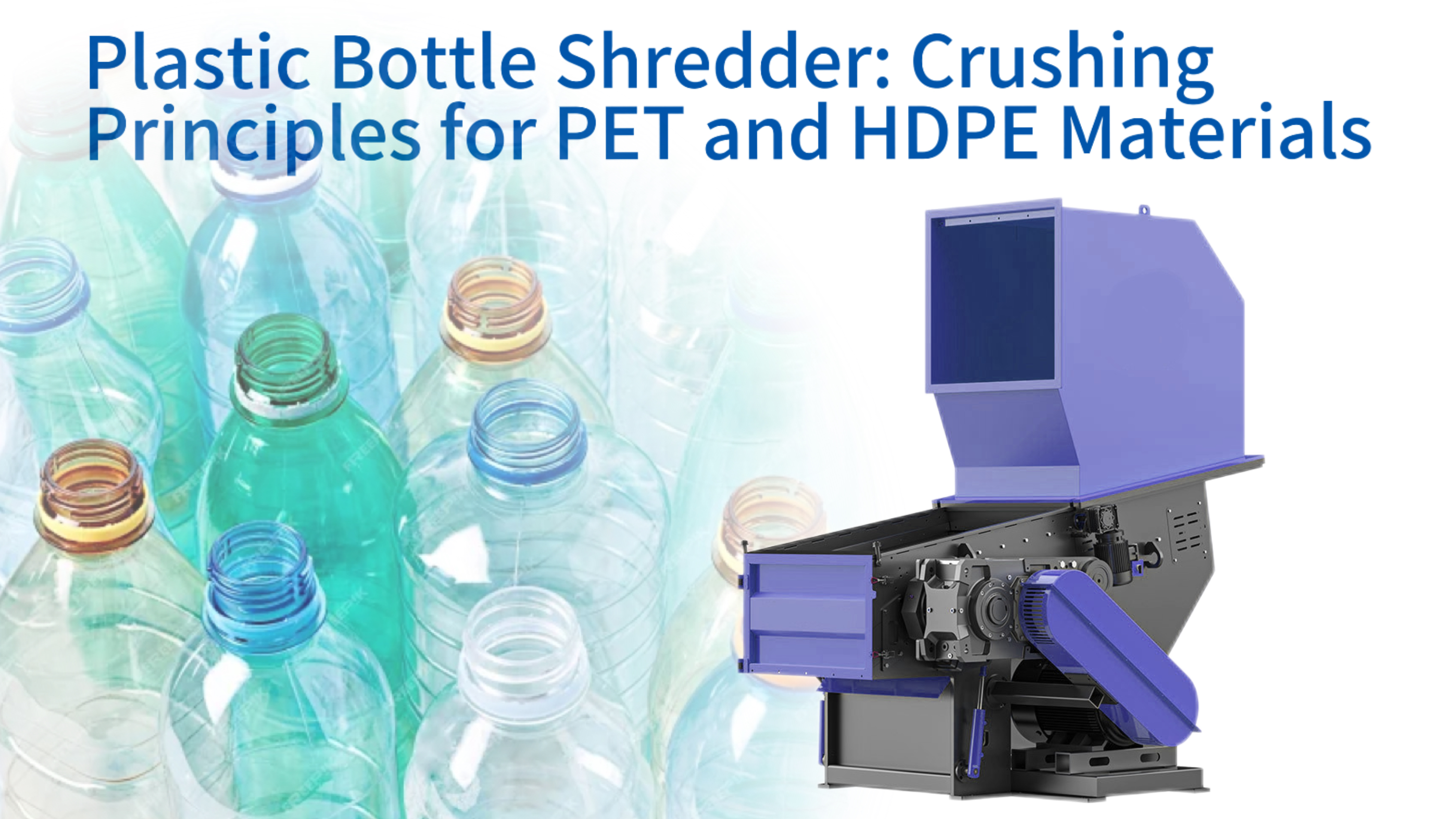
An industrial shredder designed for plastic bottles operates through shear force and tearing action. This equipment converts PET soda bottles and HDPE milk jugs into small fragments. The output material serves as standardized feedstock for washing lines and extrusion systems. A plastic bottle shredder is not a conventional crusher or chipper because it uses low-speed high-torque cutting instead of impact force. This technical difference matters significantly for processing rigid plastics without melting them. The shredding process prepares post-consumer bottle waste for effective recycling operations. Facilities handling plastic waste depend on this machinery to reduce transportation costs and enable mechanical separation of contaminants. Understanding the working principles helps operators select between single-shaft and dual-shaft configurations based on their specific bottle types and target output sizes. MSW Technology has developed specialized plastic bottle shredders that address the unique challenges of PET and HDPE processing with fifteen years of engineering refinement.
Fundamental Definition and Core Operational Principles of Plastic Bottle Shredders
Dual-shaft vs Single-shaft Shredder Key Parameters
| Parameter | Dual-shaft | Single-shaft |
|---|---|---|
| Rotor Speed (rpm) | 60-120 | 80-150 |
| Output Size (mm) | 40-80 | 6-12 |
| Energy Saving | Base Level | -10%~15% |
| Application | Coarse Shredding | Fine Shredding |
An industrial plastic bottle shredder represents a specialized machine category within material recovery facilities. This equipment uses rotating cutters to reduce plastic containers into smaller uniform particles. Unlike hammer mills that shatter materials through impact, shredders employ cutting and tearing mechanisms. PET and HDPE bottles present different mechanical challenges during shredding because of their distinct molecular structures. PET is brittle with high tensile strength while HDPE is flexible with excellent impact resistance. A well-designed shredder accommodates both properties through adjustable blade geometries and rotor speeds. The equipment sits at the front end of most plastic recycling lines where it transforms bulky waste into manageable pieces for downstream cleaning and sorting operations. Manufacturers like MSW Technology integrate heavy-duty components that withstand continuous operation in demanding recycling environments.
Definition of Industrial Plastic Bottle Shredders and Their Role in Recycling
A plastic bottle shredder integrates sharp rotary blades with a heavy-duty drive system to tear apart container walls. The machine processes up to three tons of PET bottles per hour in typical mid-sized configurations. This volume reduction reaches ratios of eight to one by shrinking loose bottles into dense flake material. Recycling facilities place shredders immediately after bale breaking and manual sorting stations. The shredded output feeds directly into wet grinders or air separators for label removal. Without this initial size reduction step, washing systems would struggle to clean bottle interiors effectively. The shredder unlocks the contaminant-trapped surfaces inside each container for subsequent treatment processes. MSW Technology has engineered these machines with features that prioritize uptime and consistent performance across varied feedstock conditions.
The shredding stage also standardizes irregular bottle shapes into flowable particles. A conveyor moving at controlled speeds delivers these particles to magnetic separators and eddy current units. The equipment must handle varying feed rates without jamming because recycling plant input fluctuates daily. Operators value shredders that maintain consistent output particle size across different bottle colors and wall thicknesses. The resulting flake material commands higher market prices when it meets purity and size specifications for direct pelletizing. Facilities processing over five thousand tons annually benefit most from automated shredding systems that minimize manual intervention. The return on investment for such equipment typically falls within twelve to eighteen months of continuous operation.
Shear and Tearing Mechanisms for PET and HDPE Bottle Processing
The primary mechanism inside a plastic bottle shredder involves shear cutting between moving and stationary knives. Rotating blades mounted on a shaft pass closely against fixed counter-knives installed in the cutting chamber. This action creates a scissor effect that slices bottle walls into strips. Tearing forces supplement the shear action when bottle plastic exceeds the blade gap thickness. Flexible HDPE responds well to tearing because it stretches before fracturing into clean edges. Brittle PET fractures instantly under shear stress without generating problematic dust when blade clearance stays within thirty percent of wall thickness. The combination of both mechanisms achieves complete container breakdown even when bottles are fed whole without pre-cutting. MSW Technology has optimized blade geometries specifically for mixed plastic bottle streams encountered in municipal recycling programs.
Low rotational speeds between sixty and one hundred twenty revolutions per minute prevent heat buildup at the cut interface. Excessive temperature would soften the plastic and cause smearing on blade surfaces. Each rotor revolution removes five to fifteen millimeters of material depending on cutter geometry. The hydraulic ram pushes bottles against the rotating drum at controlled pressure for single-shaft designs. Dual-shaft machines use counter-rotating cutters that pull material downward through the blade overlap zone. This self-feeding characteristic reduces the need for external pushing mechanisms while handling unflattened bottles effectively. Energy consumption remains lower than high-speed granulators because torque rather than speed accomplishes the cutting work. Field data shows power savings of twenty to twenty-five percent compared to conventional hammer mill systems processing equivalent bottle volumes.
Dual-Shaft Shredder Feeding and Tearing Operation for Uncrushed Bottles
Dual-shaft shredders employ two parallel rotors equipped with interleaving cutter discs. These rotors turn at different speeds toward each other to create a grabbing action at the feed opening. Whole plastic bottles entering this gap get pulled between opposing cutters automatically. Labels wrapped around bottle surfaces do not stop this feeding process because the cutters sever film materials continuously. The dual-shaft design excels at processing mixed bottle streams that include PET soda bottles, HDPE detergent jugs, and PP medicine vials. Each shaft carries torque ratings exceeding twenty thousand newton-meters to power through dense accumulations of bottle waste. The system monitors motor current and reverses rotation briefly when overload conditions occur. MSW Technology integrates smart control algorithms that learn optimal reversal patterns for specific bottle mixtures.
The tearing action in dual-shaft machines breaks bottle structures without requiring pre-shredding steps. Material exits through a screen mesh positioned below the rotors when it reaches the target size around fifty millimeters. Large pieces remain in the cutting zone for additional processing passes. This coarse output works as feed material for secondary single-shaft shredders in two-stage systems. The dual-shaft configuration handles wet bottles containing residual liquids better than single-shaft designs because liquid drains through the screen opening. Sealed bearing housings prevent fluid ingress that would cause premature bearing failure. Facilities processing oil bottles or pesticide containers benefit from this design feature. The robust construction allows continuous operation for sixteen-hour production days without intermediate maintenance stops.
Single-Shaft Shredder Control Logic with Hydraulic Ram and Screen Plate
A single-shaft shredder operates with one rotor carrying multiple cutter blocks mounted in a helical pattern. This configuration pushes material against a fixed bed knife installed at the rotor periphery. The equipment uses a hydraulic ram to press bottles against the rotating cutter drum continuously. This forcing action prevents bottle bouncing that would reduce throughput in machines lacking positive feed mechanisms. The single-shaft design achieves finer output control than dual-shaft alternatives because the screen plate surrounds the rotor more completely. Material stays inside the cutting chamber until it passes through the screen openings. Any oversized pieces recirculate for additional cutting passes without exiting prematurely. MSW Technology has refined this design for applications requiring precise particle size distribution below twelve millimeters.
The screen plate features punched holes ranging from six to twenty millimeters in diameter. Operators change screens in under fifteen minutes using quick-release clamps designed for this purpose. Smaller hole diameters produce finer particles suitable for direct extrusion but reduce throughput capacity. The hydraulic ram pressure adjusts automatically based on motor current measurements. When the motor load increases beyond set points, the ram retracts briefly to reduce feed rate. This control strategy prevents motor stalling during difficult cutting conditions. Thick-walled HDPE bottles require higher ram pressure than thin-walled PET bottles to maintain feed rates. The system stores parameters for up to ten different bottle types for one-touch recall. Maintenance intervals extend beyond eight hundred operating hours when processing clean post-consumer bottles without metal contaminants.
Power Transmission and Overload Protection Engineering
The power transmission system converts electric motor energy into rotational torque at the cutter shaft. Planetary gearboxes or heavy-duty belt drives accomplish this torque multiplication with efficiency ratings exceeding ninety-five percent. The gearbox output shaft connects directly to the rotor through a splined coupling that accommodates misalignment. Motor power ratings range from twenty-two kilowatts for small units to one hundred sixty kilowatts for high-capacity industrial shredders. The transmission system must absorb shock loads generated when cutters encounter unexpectedly thick bottle sections or hard contaminants. MSW Technology designs gearboxes with safety margins exceeding two hundred percent of nominal operating torque. This conservative engineering approach prevents catastrophic failures during upset conditions. The gearbox housing incorporates cooling fins and forced oil circulation for thermal management during sustained high-load operation.
The electronic control system continuously monitors motor current draw and rotor speed. When current exceeds preset thresholds, the controller initiates a reverse rotation sequence. The rotor turns backward for two to three seconds before resuming forward rotation. This reversal clears jammed material without requiring operator intervention. The system logs each overload event with timestamp and duration data for diagnostic purposes. Operators receive notifications when overload frequency exceeds normal patterns, indicating potential blade wear or foreign object contamination. Thermal sensors in motor windings and gearbox bearings trigger shutdowns before component damage occurs. The control panel displays real-time operating parameters including power consumption, hourly throughput, and cumulative maintenance intervals. This data supports predictive maintenance scheduling and process optimization efforts. Facilities using these systems report unplanned downtime reductions exceeding forty percent compared to machines without intelligent controls.
Main Types of Plastic Bottle Shredders and Their Application Scenarios
Plastic bottle shredders are manufactured in several distinct configurations optimized for different processing requirements. The selection among these types depends on factors including expected throughput volume, desired output particle size, and available floor space. Single-shaft machines excel at producing uniform fine particles for direct feeding to extruders or washing lines. Dual-shaft shredders provide higher throughput for coarse shredding of mixed bottle streams without unjamming concerns. Portable and wet shredding variants address specialized applications where mobility or contamination control matters most. Understanding the strengths and limitations of each type helps recycling operations select equipment that matches their specific material streams and production goals. MSW Technology offers the full range of configurations with standardized components for simplified spare parts management across multiple machine types.
Dual-Shaft Plastic Bottle Shredders for Coarse Shredding of Mixed Bottle Streams
Dual-shaft shredders accept unflattened bottles directly from bale breakers or sorting lines. The self-feeding rotor design pulls material into the cutting zone without operator assistance. Output particle sizes range from forty to eighty millimeters depending on screen selection and cutter configuration. This coarse output works well as feed material for downstream fine shredders or washing equipment. The dual-shaft configuration handles bottle contamination including residual liquids, paper labels, and metal caps without frequent jamming. Facilities processing over ten tons daily typically select dual-shaft machines for primary reduction stages. The robust construction withstands occasional metal contaminants that would damage single-shaft designs. MSW Technology equips these shredders with replaceable wear plates that protect the cutting chamber from abrasive bottle materials.
The dual-shaft design requires less floor space than equivalent-capacity single-shaft machines because the cutting action occurs in a more compact zone. Installation involves setting the shredder on a concrete foundation with vibration isolation mounts. The feed hopper height requires conveyor or loader access for material charging. Discharge configuration options include belt conveyors, screw augers, or pneumatic conveying systems. The coarse output material flows freely through standard material handling equipment without bridging or clogging. Maintenance access doors on both sides of the cutting chamber allow blade inspection and replacement without removing the rotor assembly. Typical blade life exceeds twelve hundred operating hours when processing clean PET bottles. The lower blade count per rotor compared to single-shaft designs reduces replacement cost per ton of material processed.
Single-Shaft Plastic Bottle Shredders for Fine Shredding and Flake Standardization
Single-shaft shredders produce uniform particles between six and twelve millimeters in a single processing pass. This fine shredding eliminates the need for secondary size reduction equipment in many recycling lines. The hydraulic ram ensures positive feeding even when processing lightweight materials like shredded bottle flakes. Output particles have clean cut edges that facilitate subsequent separation processes including density separation and optical sorting. The fine particle size maximizes surface area exposure for washing operations to remove labels and adhesive residues. Single-shaft machines operate at higher rotor speeds ranging from eighty to one hundred fifty revolutions per minute compared to dual-shaft designs. MSW Technology offers these shredders with soundproof enclosures that reduce noise emissions to below eighty decibels at full load operation.
The screen plate surrounding the rotor controls maximum particle size with precision unavailable in dual-shaft designs. Operators select screen hole diameters based on downstream equipment requirements and material purity targets. Changing screens requires less than twenty minutes using the quick-release clamping system. The hydraulic system maintains consistent ram pressure through a closed-loop control system that compensates for material variations. This pressure control prevents motor overload while maximizing throughput for each bottle type. Single-shaft machines typically consume ten to fifteen percent less energy per ton than dual-shaft machines when producing equivalent particle sizes. The reduced energy consumption results from efficient cutting action rather than the tearing and ripping that predominates in dual-shaft designs. Facilities located in regions with high electricity costs favor single-shaft machines for their operational economy.
Compact Single-Phase Shredders for Low-Volume Recycling Sites
Small shredders powered by single-phase two hundred twenty volt electricity serve low-volume recycling operations. These machines process up to five hundred kilograms of plastic bottles per day in door-to-door recycling centers or small transfer stations. The compact footprint occupies less than three square meters of floor space. Single-phase power availability eliminates the need for three-phase electrical service upgrades that add significant installation costs. These smaller shredders accept bottle volumes manually loaded from sorting bins or small conveyors. Output particles range from ten to twenty millimeters through screens sized for the application. MSW Technology builds these units with the same blade materials as larger industrial machines for consistent cutting performance. The reduced power requirements allow operation from standard wall outlets in existing facilities without electrical panel modifications.
Maintenance requirements for compact shredders mirror those of larger machines but with smaller component sizes. Blade sharpening intervals extend beyond six hundred hours for typical bottle processing applications. The reduced throughput capacity suits facilities processing seasonal bottle volumes from community collection events or temporary recycling programs. Single-phase shredders cost approximately sixty percent less than equivalent industrial three-phase machines. This lower initial investment allows recycling startups to begin operations with manageable capital expenditure. The machines operate acceptably without the advanced automation features found on larger units. Simple push-button controls manage forward, reverse, and stop functions with basic overload protection. Operators with minimal training can safely run these machines following standard safety procedures. The lower production capacity matches the manual sorting and bagging operations common at small recycling facilities.
Wet Shredders for Integrated Water Injection During Bottle Processing
Wet shredders inject water directly into the cutting chamber during bottle processing operations. The water serves multiple functions including dust suppression, heat removal, and preliminary cleaning of bottle surfaces. Label adhesives soften when exposed to water, reducing their tendency to adhere to bottle flakes. The water flow carries fine particles and dust through the screen openings into a collection system. Wet shredding proves particularly effective for processing oily bottles from food service operations or pesticide containers. The water prevents plastic heating that would otherwise cause melting and screen blinding. MSW Technology designs wet shredders with stainless steel cutting chambers and water-resistant bearing seals. The water injection rate adjusts from ten to fifty liters per minute depending on contamination levels and throughput requirements.
Process water exiting the shredder contains suspended solids including label fibers, dust, and adhesive residues. A settling tank or filtration system removes these solids for proper disposal or water recirculation. The wet flakes discharge onto dewatering screens or screw presses for moisture removal before further processing. Wet shredding reduces explosion hazards when processing bottles that previously contained flammable liquids. The water eliminates static electricity accumulation that could ignite residual vapors. Facilities handling pesticide bottles or solvent containers typically require wet shredding for regulatory compliance. The water also reduces blade wear by lubricating the cutting interface and flushing abrasive particles away. Blade life in wet applications exceeds dry shredding by thirty to fifty percent in documented case studies. The additional water handling equipment adds capital and operating costs that must be justified by specific application requirements.
Mobile Plastic Bottle Shredders for Decentralized Recycling Operations
Mobile shredders mount on wheeled chassis or trailers for transport between multiple job sites. Diesel engine power eliminates the need for electrical service connections at temporary locations. These self-contained units include integrated conveyors for loading and discharge operations. Mobile shredders serve disaster response scenarios where bottle waste accumulates rapidly and requires on-site volume reduction. The machines operate effectively at seasonal events including music festivals, sporting events, and beach cleanups. A typical mobile unit reduces bottle volume by eighty to ninety percent, dramatically lowering transportation costs to distant recycling facilities. MSW Technology builds mobile shredders with heavy-duty running gear and highway towing certification. The compact design fits within standard shipping container dimensions for intermodal transport.
The diesel engine develops full torque across a wide speed range without the power limitations common with generator-driven electric motors. Hydraulic drive systems provide smooth torque transfer with built-in overload protection. The mobile configuration includes a self-contained control panel mounted in a weatherproof enclosure. Operators position the mobile unit near waste accumulation points to minimize manual handling distances. After processing, the machine moves to the next location without disassembly or specialized rigging. Remote sites lacking permanent recycling infrastructure benefit most from mobile shredder deployment. The equipment handles multiple bottle types without reconfiguration beyond basic screen changes. Annual utilization rates vary by region but average eight hundred operating hours for shared mobile shredder programs. Maintenance access remains similar to stationary units with additional provisions for field repairs without workshop facilities.
Core Functions of Plastic Bottle Shredders in Recycling Operations
Core Functions Efficiency Improvement
Reduction
Reduction
Saving
Reduction
Plastic bottle shredders deliver several essential functions that enable efficient recycling of post-consumer container waste. Volume reduction represents the most visible function, transforming bulky bottles into dense flowable material. Particle size control ensures that downstream equipment receives consistently dimensioned feedstock. Contaminant liberation opens bottle surfaces for effective cleaning and label removal. Production continuity maintains throughput despite variations in feed material properties. Safety systems protect operators and equipment during normal and upset conditions. These functions combine to create reliable processing systems that turn waste bottles into valuable secondary raw materials. MSW Technology has optimized each function through iterative design improvements based on field experience across hundreds of recycling installations globally. The integration of these functions determines overall system efficiency and operating cost per ton processed.
High-Efficiency Volume Reduction Throughput Enhancement
The volume reduction function compresses loose bottles at ratios between six and ten to one depending on bottle type and shredder configuration. Loose whole bottles contain significant empty space that wastes transportation and storage capacity. Shredded bottle flakes pack efficiently into gaylord boxes, super sacks, or shipping containers. A typical forty-foot shipping container holds approximately forty thousand uncompressed bottles. The same container filled with shredded bottle flakes holds over three hundred thousand bottles after shredding. This density improvement reduces shipping costs proportionally and extends the economic radius for bottle collection programs. MSW Technology shredders achieve verified throughput rates of two to three tons per hour for PET bottles in standard configurations. The hydraulic ram ensures consistent feeding even when processing bottles that have been stored outside and have become compressed or deformed.
The throughput rate depends on several variables including screen hole diameter, bottle wall thickness, and rotor speed settings. Smaller screen holes reduce throughput because material requires more cutting passes before exiting. Thicker bottle walls common in heavy-duty HDPE containers process more slowly than thin-walled PET bottles. Rotor speed optimization balances throughput against power consumption and particle quality. The control system automatically adjusts parameters based on real-time motor load measurements. Operators can override automatic settings to match specific production requirements. The combination of large feed hopper capacity and continuous operation enables processing rates exceeding ten tons per eight-hour shift. Multiple shifts further increase daily production without additional equipment investment. The volume reduction function alone often justifies shredder purchase through reduced freight costs for remote recycling facilities.
Precise Output Particle Size Control for Downstream Compatibility
Particle size control determines the shredder's compatibility with downstream processing equipment including washers, separators, and extruders. Single-shaft shredders achieve precise size control through screen plate selection and rotor-to-bed knife clearance adjustment. The screen plate surrounds more than two hundred seventy degrees of rotor circumference for extended retention time. Particles smaller than screen holes exit immediately while larger pieces recirculate for additional cutting. This classification mechanism produces narrow particle size distributions without external screening equipment. Six-millimeter screens produce flakes suitable for direct feed to extruders manufacturing new bottles. Twelve-millimeter screens balance throughput and cleaning efficiency for standard washing lines. Fifteen-millimeter screens maximize throughput when producing fuel pellets or other low-specification products. MSW Technology provides interchangeable screens in one-millimeter increments for precise process matching.
The rotor-to-bed knife clearance affects particle size distribution more than screen selection alone. Tighter clearances produce cleaner cuts and narrower size distributions at reduced throughput rates. Clearances above one millimeter allow some material bypass without cutting, creating tailings of longer particles. Automatic clearance adjustment systems maintain optimal settings as blade wear progresses. Operators calibrate clearances during blade installation and verify dimensions with feeler gauges. The helical blade mounting pattern distributes cutting forces evenly across the rotor length. This balanced loading reduces vibration and extends bearing life compared to straight blade patterns. Facilities producing bottle-to-bottle recycled PET require particle sizes below ten millimeters with ninety-five percent passing specification. Single-shaft shredders achieve this level of control consistently across production shifts when properly maintained.
Anti-Tangling Design for Reduced Downtime During Labeled Bottle Processing
The anti-tangling function prevents label films and bottle shreds from wrapping around rotating shafts. Dual-shaft shredders achieve this through the design of their cutter discs and spacer rings. The distance between adjacent cutter discs on the same shaft exceeds the disc diameter, allowing material to fall through rather than wrap. When film materials attempt to wind around the shaft, the opposing cutters on the other shaft sever them. This self-cleaning action keeps the cutting zone free of accumulated film. Single-shaft shredders prevent tangling through the absence of exposed shaft surfaces inside the cutting chamber. The rotor mounting surfaces remain covered by cutter blocks that do not provide purchase for wrapping materials. MSW Technology has refined both approaches based on thousands of hours of labeled bottle processing experience. The resulting designs require no operator intervention for clearing wrapped materials during normal operation.
Materials that would disable conventional shredders including shrink sleeve labels and stretch wrap residues process normally in anti-tangling designs. The smart control system detects unusual load patterns that might indicate impending wrapping events. When the system detects load signatures characteristic of film wrapping, it initiates a short reverse rotation cycle. This reversal unwinds any partial wraps before they become problematic. The system logs wrapping events for operator review to identify upstream issues causing excessive film presence. Facilities processing bottles from deposit return systems with intact labels experience minimal wrapping events. Mixed waste streams containing loose film and shredded labels require more frequent monitoring. The anti-tangling function reduces downtime by over ninety percent compared to conventional shredders without this design feature. Operators previously spending hours weekly clearing wraps now focus on other production tasks.
Safety Protection Systems with Overload Prevention Technology
Safety systems protect operators from contact with moving machine components during operation. The feed hopper opening includes mechanical restrictions preventing hand entry while allowing bottle flow. Emergency stop pull cords run along both sides of the machine and trigger immediate shutdown when pulled. Deflector shields over belt drives and couplings cover all rotating components outside the cutting chamber. Lockout procedures verify energy isolation before any maintenance access is permitted. MSW Technology designs safety systems to exceed regulatory requirements in all major industrial markets. The control system requires operator acknowledgment before resetting after any emergency stop activation. Proximity sensors detect open access doors and disable machine operation until closure. These measures have prevented serious injuries across thousands of operating installations worldwide. Safety training remains essential even with comprehensive machine safeguards.
Overload protection prevents machine damage from excessive feed rates or foreign object entry. Motor current sensors trigger reverse sequences when loads exceed preset thresholds for more than two seconds. The system will perform up to three reversal attempts before shutting down for operator inspection. Bearing temperature sensors shut down the machine when temperatures exceed eighty degrees Celsius. Vibration monitoring detects abnormal motion patterns indicating possible internal damage. The control panel displays the cause of each overload shutdown for troubleshooting purposes. Data logging records all protection system activations with timestamps for later analysis. Facilities using these protection systems report significantly longer equipment life than those relying on fuse-based protection alone. The combination of active electronic protection and robust mechanical design ensures reliable operation despite challenging feed conditions. Replacement parts cost less than ten percent of machine value annually for properly maintained equipment operating within design parameters.
Energy Efficient Low-Noise Operation Technology
Energy efficiency in plastic bottle shredders derives from low rotational speeds combined with high available torque. The low speed minimizes energy losses to air resistance and mechanical friction compared to high-speed grinders. Operating speeds between sixty and one hundred twenty revolutions per minute produce effective cutting without excess energy consumption. The drive system sizing matches expected torque requirements rather than peak possible loads. Variable frequency drives adjust motor speed based on real-time feed conditions instead of fixed-speed operation. The cutting efficiency remains high because material shears rather than impacts during size reduction. MSW Technology has measured energy consumption of eight to twelve kilowatt-hours per ton for PET bottle shredding in optimal conditions. This consumption compares favorably with twenty to thirty kilowatt-hours per ton for hammer mill systems achieving equivalent output sizes. The energy savings accumulate significantly for facilities processing thousands of tons annually.
Noise reduction accompanies energy efficiency because low-speed operation generates less acoustic energy. Sound pressure levels at one meter from the shredder measure eighty-five to ninety decibels during operation. The same material processed by a hammer mill produces ninety-five to one hundred five decibels at equivalent distances. Soundproof enclosures further reduce operator exposure to below seventy-five decibels when specified. These enclosures incorporate acoustic foam backed by mass-loaded vinyl barriers for sound absorption and blocking. Ventilation openings within enclosures include sound traps that prevent noise escape while allowing cooling airflow. Facilities located near residential areas benefit most from reduced noise emissions. Nighttime operations become possible without disturbing neighbors when soundproof enclosures are installed. The combination of low inherent noise and optional enclosures makes plastic bottle shredders suitable for urban recycling facilities where space constraints preclude remote location. Workers experience reduced fatigue during extended shifts when operating quieter equipment.
Primary Bottle Types Processed by Plastic Bottle Shredders and Their Technical Requirements
Material Processing Requirements
| Material | Feature | Blade Requirement | Screen Size |
|---|---|---|---|
| PET | Brittle, High Strength | Standard Sharp | 8-12mm |
| HDPE | Flexible, Ductile | Extra Sharp | 10-20mm |
| PP/PE | Light, Thin-walled | Precision Edge | 6-12mm |
Different bottle types present unique processing challenges that influence shredder selection and configuration choices. PET carbonated beverage bottles crush easily but generate dust that requires management. HDPE milk and detergent jugs resist cutting and require higher torque for effective shredding. Multi-layer bottles with barrier materials separate differently than monolayer constructions during shredding. Bottles with metal caps or rings introduce hard contaminants that accelerate blade wear. Understanding these material-specific characteristics enables proper shredder specification for each application. MSW Technology has accumulated processing data across all common bottle types through laboratory testing and field observation. This knowledge base supports evidence-based equipment recommendations matched to specific customer feed streams. The following sections detail the technical requirements for each major bottle category.
PET Water Bottles and Carbonated Beverage Bottles Processing Technology
PET bottles break with brittle fracture when subjected to shear stress from sharp blades. The material's high tensile strength requires sharp cutters maintained within fifty microns of optimal edge finish. Dust generation during PET shredding reaches one to three percent of processed weight in typical operation. Dust extraction systems capture airborne particles before they accumulate on equipment surfaces. The captured dust consists primarily of fine PET powder that can be recycled or landfilled depending on purity. MSW Technology integrates dust collection ports into the shredder design at optimal locations for maximum capture efficiency. PET bottle processing benefits from screen openings between eight and twelve millimeters for most recycling applications. The material's density allows pneumatic conveying of shredded flakes without bridging issues common with lighter materials.
Sugar residues inside beverage bottles require cleaning before shredding for food-contact applications. Pre-rinsing systems remove most residues without disintegrating bottles before shredding. The shredding process exposes interior surfaces for subsequent hot washing operations. PET flakes float in water while label fragments and caps generally sink or remain suspended. This density difference enables simple water-based separation systems for contaminant removal. The natural color of recycled PET flakes determines their market value and end-use applications. Clear bottle streams produce clear flakes selling for premium prices compared to mixed color output. Shredder design influences color separation efficiency by controlling flake size and surface characteristics. Facilities producing recycled PET for bottle applications maintain strict flake quality specifications including particle size distribution. The shredder plays a central role in meeting these specifications through consistent output quality.
HDPE Bottles for Detergents, Oils, and Chemical Products
HDPE bottles resist cutting through their flexible molecular structure that absorbs impact energy. The material stretches rather than shattering when subjected to shear forces. Blade geometry optimized for HDPE features sharper cutting angles than PET-dedicated blades. Cutting clearances below five-tenths of a millimeter produce clean cuts rather than ragged tears. Ragged edges shed microplastic particles during subsequent washing operations. MSW Technology supplies HDPE-specific blade sets with geometry tested for optimal cutting performance. The material's lower density requires positive feeding mechanisms to prevent bottle bouncing inside the cutting chamber. Hydraulic rams or spring-loaded pushers maintain feed pressure regardless of bottle buoyancy effects. Residues inside HDPE bottles including oils and detergents may react with standard shredder lubricants. Sealed bearing designs prevent fluid ingress that would dilute or contaminate lubrication systems.
Processing HDPE bottles generates less dust than PET because of the material's ductile behavior. The primary wear mechanism for HDPE processing is blade dulling rather than chipping or cracking. Blade life for HDPE typically extends forty percent longer than for PET when processing equivalent tonnage. The output flakes have rounded edges from the tearing component of shredding action. These rounded edges reduce conveyor wear compared to sharp-edged PET flakes. HDPE flakes sell into diverse markets including pipe manufacturing, plastic lumber, and new bottle production. The material's moisture absorption remains low, reducing drying requirements before extrusion. Post-consumer HDPE typically contains higher contaminant loads than PET due to product residues. The shredder must handle sticky deposits without screen blinding or blade fouling. Water injection into the shredding chamber improves handling of adhesive residues on HDPE bottle surfaces. The water carries sticky contaminants through the screen instead of accumulating on cutter surfaces.
PP and PE Thin-Walled Bottles from Pharmaceutical and Food Service Sectors
Thin-walled PP and PE bottles lack the structural rigidity of standard beverage containers. These lightweight bottles compress rather than cut when fed to improperly configured shredders. The compression problem occurs when rotor speed exceeds the bottle's ability to orient for cutting. Slower rotor speeds allow the bottle material to position correctly between cutters before compression occurs. Specialized feed rolls pre-orient lightweight bottles before entry into the cutting zone. The pre-orientation feature eliminates the bottle flattening that prevents effective cutting. MSW Technology offers feeder configurations specifically optimized for lightweight bottle processing. The resulting output flakes have consistent dimensions despite the challenging feed material characteristics. PP and PE materials have lower melting temperatures than PET, requiring careful thermal management during shredding. Cooling air circulation through the cutting chamber prevents heat buildup that would soften these materials.
The low bulk density of thin-walled bottles challenges feeding systems designed for heavier containers. Lightweight bottles stack and bridge across feed openings unless agitation is provided. Oscillating paddles in the hopper break bridging formations without damaging the bottles. The paddle design prevents bottle ejection from the hopper during agitation cycles. Bridge detection sensors monitor feed continuity and activate paddles when interruptions occur. The shredder's lower torque requirements for thin-walled materials allow smaller drive motors than equivalent bottle count of thick-walled containers. Power consumption per kilogram processed runs higher for thin-walled bottles because of their lower mass per piece. The shredder must be sized based on expected bottle count rather than weight for these applications. Collection systems capture the low-density output flakes without fluidization losses. Cyclone separators recover fines that would otherwise escape to baghouse filters. The complete system design must account for the unique material handling properties of lightweight bottles.
Bottles with Aluminum Caps and Metal Rings Recycling Integration
Bottles with metal components include PET soda bottles with aluminum caps and wine bottles with metal foil seals. These metal parts represent both contamination hazards for plastic recycling and valuable materials for separate recovery. The shredder must process the metal components without blade damage or equipment failure. Magnetic separators installed after shredding remove ferrous metals from the material stream. Eddy current separators extract non-ferrous metals including aluminum caps and rings. The metal separation efficiency depends on liberating metal from plastic during the shredding process. MSW Technology designs shredder configurations that maximize metal liberation without causing excessive blade wear. The cutter geometry and clearance settings specifically address the bond between plastic and metal components. Complete separation means no plastic remaining attached to recovered metal pieces and no metal embedded in plastic flakes.
Blade materials for processing metal-containing bottles require higher hardness and toughness than standard grades. Powder metallurgy tool steels with vanadium carbide additions resist the abrasive wear from aluminum contact. These premium blade materials cost more initially but last two to three times longer in metal-contaminated streams. The economic break-even point for premium blades occurs around five hundred tons of metal-containing bottle processing. Operators adjust rotor speeds to minimize impact energy when cutters encounter metal components. Lower speeds reduce the risk of catastrophic blade failure during metal impacts. The control system detects metal entry through characteristic load signatures and adjusts operation accordingly. Wedge-lock blade mounting systems retain cutters securely even when subjected to off-axis impact forces. Strip magnets installed in the feed hopper remove some metal before it reaches the cutting chamber. No single metal removal method achieves hundred percent efficiency, requiring redundant protection systems for reliable operation.
Labeled Bottles and Full-Body Shrink Sleeve Processing Challenges
Labels on bottles present two distinct processing challenges depending on label material and attachment method. Paper labels saturated with adhesive shred into fine particles that mix with plastic flakes. These paper particles contaminate recycled plastic and reduce product quality when present above one percent. Shrink sleeve labels made from PVC or PET shrink film wrap entirely around some bottle types. These film labels have high tear strength and resist size reduction during shredding. MSW Technology addresses label challenges through shredder design that maximizes label liberation from bottle surfaces. The shredding action flexes bottle walls, breaking adhesive bonds that hold labels in place. Shredded label pieces separate from plastic flakes through air classification or washing systems. The shredder's role focuses on liberation rather than separation of label materials.
The anti-tangling features discussed previously prove essential for processing full-body shrink sleeve labels. These continuous film tubes can wrap around shredder shafts in conventional designs. The spacer ring configuration of dual-shaft shredders prevents this wrapping through mechanical interference. Rotor speeds below eighty revolutions per minute reduce the centrifugal force that promotes wrapping. Wet shredding softens shrink sleeve materials, reducing their tendency to form wraps. The water also helps carry liberated label pieces through the screen without accumulation. Facilities processing labeled bottles without washing capability must accept some label contamination in output material. The contamination level depends on label type and shredder configuration. Air classification systems installed after shredding remove up to ninety percent of label contaminants. The combination of proper shredder setup and downstream separation yields plastic flake meeting most non-food recycling specifications. Applications requiring higher purity including bottle-to-bottle recycling typically include washing systems after shredding.
Technical Principles Behind Plastic Bottle Shredder Processing
Shredder Technical Principles Flow
The technical principles governing plastic bottle shredder performance span materials science, mechanical engineering, and control system design. Blade metallurgy determines cutting edge retention and resistance to impact damage during operation. Cutting geometry optimization balances throughput against energy consumption and particle quality. Bearing and sealing systems protect rotating components from contamination ingress. Hydraulic circuits provide controlled feeding force matched to material resistance properties. Control algorithms coordinate all subsystems to maintain production despite feed variations. MSW Technology has developed deep expertise across each of these technical domains through fifteen years of focused engineering effort. The company's shredders incorporate design features validated through laboratory testing and field measurement. Understanding these technical principles helps operators optimize machine performance and diagnose developing problems before they cause production interruptions.
Blade Material Selection and Heat Treatment Processes
Industrial shredder blades must balance hardness for wear resistance against toughness for impact tolerance. Tool steel grades including D2, A8, and CPM 10V serve different applications based on expected material types. D2 steel offers good wear resistance at moderate cost for PET and clean bottle processing. CPM 10V provides exceptional wear resistance for abrasive materials including glass-filled bottles. The powder metallurgy manufacturing process distributes carbide particles uniformly through CPM grades. This uniform distribution eliminates the large carbides that can crack during impact loading. Heat treatment includes austenitizing at high temperatures followed by quenching to achieve martensitic structure. Tempering cycles follow quenching to reduce internal stresses while maintaining target hardness levels. Final hardness measures fifty-eight to sixty-two on the Rockwell C scale for most bottle processing applications. MSW Technology specifies hardness levels based on material testing specific to each customer application.
The blade edge geometry influences cutting efficiency and edge retention during service. Single-bevel edges suit most bottle cutting applications by providing clean shearing action. Double-bevel edges accept resharpening more times before replacement but cut less efficiently. The relief angle behind the cutting edge prevents friction between blade body and material. Edge radius measured in microns determines initial sharpness and dulling progression rate. Laser measurement of edge geometry ensures consistent sharpening between blade sets. Blade mounting holes must locate precisely to maintain cutter tip positioning within the cutting chamber. Replaceable cartridge systems allow blade changes without removing the entire rotor assembly. Each blade set processes between five hundred and two thousand tons depending on material type and operating conditions. Blade rotation schedules extend life by using both edges before resharpening. The economic analysis of blade selection includes purchase cost, life expectancy, and replacement labor hours. Facilities processing diverse materials maintain multiple blade sets optimized for different feed compositions.
Screen Mesh Design and Particle Size Control Fundamentals
The screen mesh determines maximum particle size while also influencing throughput capacity. Perforated plates with round holes offer the longest service life for most bottle processing applications. Round holes resist deformation from impact loading better than square or hexagonal openings. The distance between holes maintains structural integrity while maximizing open area. Open area percentages range from thirty to fifty percent of total screen plate surface. Higher open area increases throughput but reduces plate strength and life. Screen plate thickness between twelve and twenty millimeters withstands the impact of shredded material circulating inside the cutting chamber. Wear-resistant alloys including AR400 and Hardox extend screen life in abrasive applications. The screen plate mounts against the cutting chamber floor where shredded material impacts it continuously. Quick-change screen frames support multiple screen plates for rapid production changeovers. MSW Technology stocks screens in all common sizes for immediate shipment to customers worldwide.
Screen hole spacing to diameter ratio affects material flow through the openings. Closely spaced holes may bridge with material, reducing effective open area. The ratio must balance bypass probability against structural requirements. Deburring after hole punching removes sharp edges that would abrade shredded material. Deburred screens produce cleaner flakes with fewer fines from post-cutting abrasion. The screen plate includes alignment features preventing rotation or displacement during operation. Hold-down wedges secure the screen against cutting chamber forces without tools requiring special handling. Screen wear patterns indicate potential cutter issues when wear concentrates in specific regions. Even wear suggests proper cutter alignment while uneven wear indicates alignment problems. Screen replacement schedules typically align with cutter resharpening intervals for efficient maintenance coordination. The relationship between screen hole size and target particle size follows predictable patterns rather than one-to-one correspondence. Particles up to twenty percent larger than hole dimensions may pass because of orientation effects during screening.
Shaft and Bearing Seal Technology for Contaminated Bottle Processing
The bearing seal system prevents shredded material and contaminants from reaching precision bearing components. Multiple seal types arranged in series provide redundancy against single-seal failure. Lip seals make contact with shaft surfaces to block particle ingress through friction. Labyrinth seals create tortuous paths that particles cannot navigate without pressure differentials. Air purge systems introduce clean compressed air between seal stages to blow contaminants outward. Grease-filled chambers between seals capture any particles that bypass outer barriers. Seal material selection depends on chemical compatibility with bottle residues including oils and detergents. MSW Technology specifies Fluoroelastomer seals for chemical resistance across the broadest range of bottle contaminants. Bronze-filled PTFE seals handle dry abrasive applications where chemical resistance matters less. The seal housing incorporates drain ports for grease replacement without seal removal. Bearing life in properly sealed shredders regularly exceeds twenty thousand operating hours. Unsealed or poorly sealed machines may require bearing replacement annually under similar operating conditions.
Shaft design influences both cutting performance and seal effectiveness. Hardened shaft surfaces resist wear from contact with seal lips and abrasive particles. The hardness depth exceeds practical wear depth over the expected machine life. Shaft straightness tolerances hold within fifty microns to prevent dynamic runout that would compromise sealing. Seal contact surfaces require finishing to specific roughness values for optimal sealing without excessive friction. Chrome plating on seal contact areas improves wear resistance and corrosion protection. Tapered shafts facilitate bearing removal during maintenance operations. Spline or key connections transmit torque from shaft to cutter without relative motion. Excessive clearance between cutters and shaft promotes fretting wear that damages both components. Interference fits with hydraulic assisted assembly achieve proper clearances without shaft damage. The complete shaft assembly balances dynamically to prevent vibration at operating speeds.
Hydraulic Ram Control with Force Feedback Technology
The hydraulic ram provides controlled feeding force that pushes material toward the cutting rotor. Ram force must balance the competing requirements of consistent feed and motor overload prevention. Too little force reduces throughput as material fails to advance into cutters. Too much force stalls the rotor or triggers overload protection routines. Closed-loop control systems adjust ram force based on real-time motor current measurements. The control algorithm seeks the maximum ram force that maintains rotor speed above minimum thresholds. This adaptive control maintains throughput even when material properties vary during operation. Proportional hydraulic valves modulate ram extension speed and holding force continuously. Accumulators store hydraulic energy to respond instantly to control system commands. MSW Technology has refined this control approach across multiple machine generations for optimal performance. The resulting feed system achieves measured throughput within ninety-five percent of theoretical maximum across typical bottle mixtures.
Pressure sensors at the ram face measure actual contact force independent of hydraulic system variables. This measurement distinguishes between situations requiring more force and conditions requiring retreat. When the ram contacts immovable objects such as metal contamination, the system retracts automatically. The retreat cycle lasts five seconds before attempting forward motion again. Repeated retreat attempts trigger operator alarms for foreign object investigation. Ram position sensors track extension relative to the starting point for diagnostic logging. Position data reveals patterns in material feed behavior useful for process optimization. The hydraulic pump runs continuously but unloads during ram retraction to save energy. Oil cooling systems maintain fluid viscosity for consistent control response across operating temperatures. Filter condition monitoring alerts operators when contamination levels threaten valve performance. The complete hydraulic system operates for over ten thousand hours between major service intervals under typical conditions.
Intelligent Control System with Remote Diagnostic Capability
The intelligent control system coordinates all shredder subsystems into a unified automated operation. Programmable logic controllers execute control algorithms with millisecond response times to changing conditions. The control program includes logic for normal operation, overload response, and safety shutdown sequences. Human-machine interface panels display operating parameters and accept operator commands. Touchscreen displays show real-time motor currents, hydraulic pressure, and throughput calculations. Production data logging records tons processed, operating hours, and maintenance intervals automatically. USB ports export production records for analysis in spreadsheet programs. Remote connectivity options enable off-site monitoring and control through secure network connections. MSW Technology offers remote diagnostic services that connect directly to customer control systems. Remote technicians view real-time parameters and historical trends to diagnose operating issues without travel. This remote capability reduces mean time to repair by eliminating diagnostic travel delays.
The control system stores parameters for multiple bottle types in non-volatile memory. Recalling a stored parameter set changes rotor speed, ram force limits, and overload thresholds automatically. This one-touch changeover reduces setup time between different production runs. Recipe management functions restrict parameter modifications to authorized personnel through password controls. The system logs all parameter changes with user identification and timestamps for quality audit purposes. Maintenance reminder functions count operating hours since last blade change or bearing lubrication. Reminders appear on the display at configurable intervals based on historical wear rates. The reminder system reduces the risk of maintenance-related downtime from forgotten services. Diagnostic screens display sensor readings in engineering units for troubleshooting assistance. Error logs record each fault event with the operating conditions present at the time. Error trend analysis helps predict component failures before they cause production interruptions. The combination of these features makes the intelligent control system essential for high-utilization shredder operations.
Economic Value and Investment Returns from Plastic Bottle Shredders
Plastic bottle shredders generate economic returns through multiple mechanisms that combine to justify capital investment. Labor reduction represents the most direct savings by replacing manual feeding and sorting operations. Transportation cost reduction follows volume compression that fits more bottles into each shipping container. Revenue enhancement occurs when shredded material commands higher prices than unprocessed bottles. Operational efficiency improvements reduce energy and maintenance costs per ton processed. Risk reduction protects against regulatory penalties and customer rejection of contaminated materials. The combination of these benefits typically produces investment payback periods between twelve and twenty-four months. MSW Technology provides detailed return on investment calculations tailored to each customer's specific operating conditions. The following sections quantify typical returns observed across hundreds of shredder installations.
Labor Cost Reduction Through Automated Bottle Processing
A single medium-capacity shredder replaces eight to twelve workers performing manual bottle flattening and sorting operations. Annual labor savings in high-wage markets reach four hundred thousand to six hundred thousand dollars. Lower-wage markets see proportional savings but still significant relative to equipment cost. The reshuffled workers redeploy to higher-value activities within the recycling facility. Quality inspection and contamination removal benefit from human attention more than volume reduction tasks. The automated shredding operation runs continuously without shift-to-shift productivity variations. One operator supervises multiple shredding lines from a central control room location. The operator monitors production data rather than physically handling material. Forklift traffic reduces because shredded material flows on conveyors rather than in bins. Safety incidents decline because workers no longer manually feed bulky bottles into processing equipment. MSW Technology customers report average labor cost reductions of sixty-five percent in shredding operations. These savings typically exceed the equipment's annual payment by substantial margins.
The labor savings calculation must account for the supervision and maintenance personnel required for automated operation. One maintenance technician per five shredders typically handles scheduled and reactive maintenance tasks. The remaining labor requirement includes one operator per shift regardless of the number of shredding lines. Larger facilities achieve better labor efficiency because fixed supervision costs spread over more tons processed. The incremental labor cost for adding a second shredder remains low after the first installation. Manual operations face increasing labor costs from wage inflation and benefit requirements. Automation insulates against labor market pressures because equipment operating costs remain stable. The payback period calculation should compare current labor costs against projected future costs. Forecasted wage increases shorten the effective payback period below simple payback calculations. Facilities experiencing difficulty hiring workers find automation necessary rather than optional for continued operation.
Output Material Quality Improvement and Revenue Enhancement
Standardized shredded bottle flakes command prices fifty to eighty dollars per ton higher than baled whole bottles. The premium reflects reduced transportation costs and lower processing requirements for downstream buyers. Consistent flake size reduces energy consumption in downstream extrusion and washing operations. Fewer fines below two millimeters produce less waste in the recycling process overall. Clean sheared edges release contaminants more readily than the compressed edges from whole bottle processing. Material testing shows contaminant levels forty percent lower in shredded versus whole bottle samples. The purity difference emerges because shredding opens enclosed spaces where contaminants hide. High-purity flake markets including bottle-to-bottle recycling require shredding as prerequisite processing. These premium markets pay the highest prices but maintain strict quality specifications. The shredder's role in achieving these specifications directly enables access to premium revenue streams. MSW Technology has documented flake quality improvements across hundreds of customer applications with varying bottle types.
The revenue enhancement calculation must consider the entire value chain from bottle purchase to flake sale. Purchase prices for whole bottles include the weight of contaminants that are later removed. Shredding enables contaminant separation that increases the effective value of purchased material. The net recovery rate improves because shredding liberates bottles from external contamination. Label removal during shredding recovers label weight that previously reduced flake yield. The combined effect can increase net revenue per ton of bottles purchased by fifteen to twenty-five percent. These percentage improvements compound with volume to produce substantial absolute profit increases. A facility processing ten thousand tons annually capturing an additional fifty dollars per ton generates five hundred thousand dollars in added revenue. The shredder enabling this capture pays for itself within months rather than years. The revenue enhancement case for shredding applies across most recycling business models from municipal programs to commercial operations.
Payback Period Analysis for Different Processing Scales
Typical shredder investment for a five thousand ton per year PET bottle operation totals three hundred fifty thousand dollars installed. The annual operating cost including power, maintenance, and labor totals one hundred twenty thousand dollars. Manual processing of the same volume requires five hundred thousand dollars in labor alone without equipment costs. The net annual savings from automation reach three hundred eighty thousand dollars before financing costs. The simple payback period for this scenario equals eleven months of operation. Larger facilities achieve even shorter payback periods because equipment costs scale sublinearly with capacity. A twenty thousand ton per year facility pays eight hundred thousand dollars for equipment producing four times the capacity. The larger facility's savings exceed one million dollars annually for a payback under ten months. Smaller facilities processing one thousand tons annually face longer payback periods near twenty-four months. The smaller facility still achieves positive returns but requires patient capital for equipment funding. MSW Technology offers flexible financing arrangements that match payments to seasonal cash flow patterns.
The payback analysis must account for the scrap value of replaced equipment in some scenarios. Older manual processing equipment retains some residual value when sold into secondary markets. Tax implications including depreciation deductions improve after-tax payback calculations. Local economic development incentives may offset equipment costs in qualifying jurisdictions. The payback period alone should not drive investment decisions for critical operations. Long-term strategic positioning including market access requirements may justify shorter-term returns. Facilities facing labor shortages have no viable alternative to automation regardless of payback. The increasing cost and difficulty of hiring manual sorting workers accelerate automation's economic case. Projected labor cost increases of five percent annually shorten effective payback periods significantly. The full financial analysis should extend five years to capture all cost and revenue effects. Cash flow projections based on current conditions may underestimate future savings from avoided labor cost inflation.
Environmental Compliance Benefits and Risk Reduction Value
Plastic bottle recycling increasingly faces environmental regulations that affect processing methods. Dust emissions from bottle processing must stay below prescribed limits in most jurisdictions. Shredders equipped with dust collection systems achieve compliance more readily than open processing methods. Wet shredding eliminates dust emissions entirely while consuming modest amounts of water. Liquid residues from bottle contents must be contained to prevent soil and water contamination. Sealed shredder designs capture residues for proper disposal rather than allowing ground release. Noise regulations in urban areas limit acceptable equipment sound levels during operating hours. Soundproofed shredders meet these limits while conventional equipment exceeds them. The cost of regulatory compliance failures including fines and shutdown orders far exceeds equipment investment. Insurance premiums for compliant facilities run lower than for operations with known compliance gaps. MSW Technology designs shredders to meet or exceed environmental regulations in all major markets.
Community relations benefits accompany environmental compliance in many locations. Compliant operations generate fewer neighbor complaints about dust, noise, or odors. Operating permits face less opposition when equipment demonstrates environmental responsibility. Future permit renewals proceed more smoothly with documented compliance history. The brand value of environmental responsibility translates into customer preference in some markets. Retailers seeking sustainable packaging sources prefer suppliers with documented environmental controls. The due diligence process for major customers includes facility environmental auditing. Shredder investments that support environmental compliance become marketing assets as well as production tools. The risk reduction value of compliance appears in lower legal expenses and reduced management attention to complaints. Facilities experiencing compliance problems spend disproportionate management time resolving them. The opportunity cost of that management time further favors compliant equipment choices. The complete business case for shredding includes these qualitative benefits beyond simple financial payback.
Plastic Bottle Shredder Solutions from MSW Technology
MSW Technology Core Advantages
MSW Technology has engineered plastic bottle shredders for fifteen years with continuous refinement based on customer feedback. The company serves recycling operations across six continents with equipment designed for local conditions and materials. Shredders incorporate features validated through laboratory testing and extended field operation. Each machine ships with documentation supporting safe installation, operation, and maintenance. The company provides comprehensive training for operator and maintenance personnel at customer facilities. Remote diagnostic support connects customer equipment to MSW Technology service engineers for rapid problem resolution. Spare parts inventories cover all wear components with same-day shipping for stocked items. Custom engineering services adapt standard designs to unusual requirements or space constraints. The following sections detail MSW Technology's specific advantages in plastic bottle shredding applications. The company invites potential customers to arrange material testing at its demonstration facility before purchase commitment.
Fifteen Years of Industrial Shredding Engineering Experience
MSW Technology's engineering team has designed industrial shredders across five major product generations. Each successive generation incorporated lessons learned from thousands of operating installations worldwide. The current shredder line reflects proven design elements retained through multiple iterations. Problematic design features identified through field experience have been systematically eliminated. The result represents industrial shredding equipment optimized for real-world operating conditions. Over three hundred plastic bottle shredding installations provide the experience base for continuous improvement. Installation locations span arctic to tropical climates with corresponding material handling adjustments. The diversity of operating conditions has revealed design weaknesses that laboratory testing alone would not discover. Each field issue resolved has strengthened the overall design for all customers. MSW Technology engineers consult directly with customers during design phases for major projects. This direct consultation ensures design decisions reflect actual operating needs rather than engineering assumptions.
The fifteen-year operating history means early generation machines remain in service at original installation sites. These machines have logged over one hundred thousand operating hours in demanding conditions. The longest-serving machines continue processing bottles daily with regular maintenance. Component wear patterns from these aging machines inform material selection for new production. Bearing life data across the installed base guides lubrication interval recommendations. Blade wear rates across different bottle types support accurate consumable cost projections. The comprehensive field database enables MSW Technology to quote consumable life with high confidence. Customers receive realistic expectations rather than optimistic laboratory projections. The company's longevity assures customers of continued parts and support throughout equipment life. Shredder investments represent long-term commitments that benefit from stable supplier relationships. MSW Technology's fifteen-year operating history gives customers confidence in the company's continued presence.
Specialized Design Features for Bottle Recycling Applications
MSW Technology shredders incorporate design elements specific to bottle processing requirements. The cutting chamber geometry prevents bottle bouncing through curved surfaces that redirect material toward cutters. Hopper configurations accept entire bales of bottles without pre-sorting for most applications. The hydraulic system includes rapid response capability for cyclic ram operation matching bottle feed characteristics. Control software includes bottle-specific algorithms for overload detection and response. The combination of these features produces measurably higher throughput than general-purpose shredders processing the same material. Testing at customer facilities has documented twenty-five percent higher throughput from specialized versus general designs. The throughput advantage compounds over production shifts to produce substantial output differences. MSW Technology maintains test facilities where customers process sample materials before equipment purchase. Test results provide objective performance data supporting equipment selection decisions. The testing service operates at no charge for qualified customer projects.
Wear components on MSW Technology shredders are designed and manufactured in-house for quality control. Replacement blades ship from stock with documented material certifications and hardness test results. The company provides blade resharpening services that restore edges to factory specifications. Rotor balancing after blade replacement ensures smooth operation throughout speed ranges. The bearing seal system incorporates feedback from field installations to optimize contaminant exclusion. Material selection for wear plates and cutting chamber liners reflects the abrasiveness of specific bottle types. Customers processing abrasive materials receive upgraded liners for extended life. The engineering team provides application-specific recommendations based on material testing results. This consultative approach ensures each customer receives equipment matched to their actual conditions. The result is higher uptime and lower operating cost compared to generic equipment applied without customization. MSW Technology's specialized focus on bottle recycling applications delivers measurable customer value.
Comprehensive Service Support from Installation to Production
MSW Technology provides site preparation guidance before equipment delivery to ensure ready installation conditions. Concrete foundation specifications, electrical requirements, and material handling interfaces are documented fully. Installation supervision by MSW Technology engineers is included with each shredder purchase. The supervising engineer validates proper assembly and alignment before power application. Commissioning runs verify performance against guarantees using customer-supplied test materials. Operator training occurs during commissioning with documented competency requirements. Maintenance training follows with hands-on instruction for common service procedures. The training program qualifies customer personnel to perform routine maintenance independently. Post-commissioning support includes warranty coverage for specified periods on all components. Remote diagnostic connections allow MSW Technology engineers to assist with any operational issues. The service team responds to support requests within four hours during normal business hours globally.
Spare parts ordering integrates with the machine control system for automatic reorder at scheduled intervals. The system calculates expected wear rates based on actual operating hours and throughput. Customers receive proactive notifications when parts approach expected replacement intervals. Emergency parts requests receive priority handling with expedited shipping at MSW Technology's expense for warrantable failures. The spares inventory includes all wear parts and common electrical components for rapid replacement. Customers may stock critical spares on-site based on MSW Technology recommendations for their operation. The company offers preventive maintenance programs that include scheduled site visits from service technicians. These visits identify developing issues before they cause production interruptions. Service contracts transfer equipment reliability responsibility from customer to MSW Technology for predictable budgeting. The combination of these services maximizes shredder uptime and extends equipment life. MSW Technology customers report average availability exceeding ninety-five percent across all operating installations.
Complete System Integration with Modular Expansion Capability
MSW Technology designs shredders as components of complete bottle recycling systems rather than standalone machines. Pre-shredding equipment including bale breakers and sorters integrate with shredder controls. Post-shredding equipment including washers, separators, and dryers connect through standardized interfaces. The control system coordinates all equipment through a single operator interface. Production data from all system components aggregates for comprehensive reporting. Modular system design allows phased investment starting with the shredder and adding other components over time. Electrical and mechanical interfaces for future components are installed during initial construction. This forward planning eliminates retrofitting costs when system expansion occurs. Customers add capacity in affordable increments rather than requiring full system investment initially. The modular approach has proven particularly popular with growing recycling operations. MSW Technology provides system engineering services that design complete lines meeting customer production targets.
The complete system approach includes material handling from bale feed to finished product storage. Conveyor systems designed specifically for shredded plastic flake transport connect all processing stages. Pneumatic conveying systems move material vertically or over long distances within facilities. Storage silos with discharge aids hold finished flake for shipment in bulk quantities. Bagging equipment produces consumer-sized packages for retail distribution channels. The system integration ensures consistent material flow without bottlenecks at transition points. MSW Technology has engineered complete systems processing from one to twenty tons per hour. Each system design begins with customer production targets and material specifications. The engineering team models system throughput to validate design before construction. Post-installation performance verification confirms that actual operation meets design targets. Customers receive a turnkey solution ready for production rather than equipment requiring extensive integration effort. The complete system approach delivers faster time to revenue than piecemeal equipment purchases.