Industrial Plastic Shredder in Waste Processing Flow
(Various Types/Forms)
Conveyors/Hoppers
Industrial Shredder
Screening/Separation
Washing/Extrusion
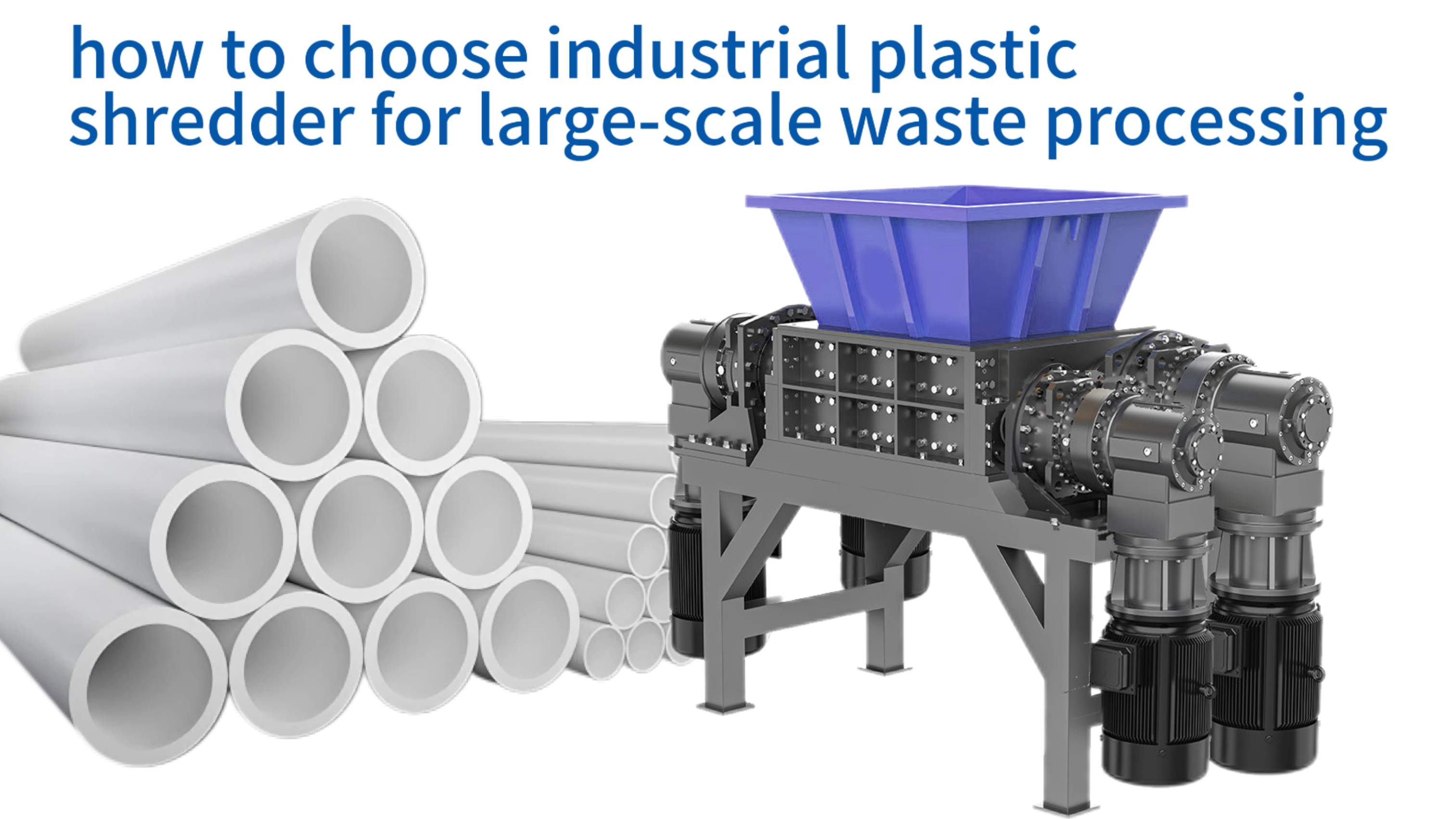
The processing of plastic waste on an industrial scale requires machinery that can handle continuous operation under demanding conditions. Unlike simple office shredders, industrial-grade plastic shredders are engineered to reduce large volumes of rigid plastics, films, and composite materials into consistent particle sizes for recycling or energy recovery. The selection of the appropriate shredding equipment directly impacts the efficiency of the entire waste processing line, from material intake to final output quality. Facilities processing plastic waste must consider multiple factors including material characteristics, required throughput, and the specifications of downstream separation equipment. This article examines the critical considerations for choosing an industrial shredder for large-scale plastic waste applications, providing guidance for operators seeking to optimize their recycling operations.
Understanding the Scale and Material Demands of Large-Scale Plastic Processing
Scale & Material Requirements for Plastic Shredding
Material Flow & Processing Stages
(Volume/Type)
(Capacity/Material)
(Feeding/Layout)
(Throughput/Quality)
(Longevity/Cost)
Shredder Throughput by Machine Type
The foundation of any successful shredding operation lies in accurately assessing the volume and type of material to be processed. Large-scale facilities handle plastic waste in quantities measured in tons per hour, requiring equipment designed for sustained high-capacity operation. The diversity of plastic materials encountered, from rigid containers and pipes to flexible films and fibers, demands a shredder capable of handling varying material properties without frequent adjustments or downtime. Understanding these fundamental requirements before evaluating specific machines prevents costly mismatches between equipment capability and operational needs.
Throughput Requirements and Machine Sizing Considerations
Industrial plastic shredders are rated by their throughput capacity, typically expressed in kilograms or tons per hour. For large-scale operations, machines must consistently achieve rates of 1000 kilograms per hour or higher depending on material density and desired output size. The sizing of the shredder must account for peak loads rather than average throughput, as feeding systems often deliver material in surges. Undersized machines become bottlenecks in the processing line, while oversized equipment consumes unnecessary energy and capital. Calculating required capacity involves analyzing incoming waste volumes, operating hours, and the physical characteristics of the plastic materials being processed.
Variability in Plastic Waste Composition
Plastic waste streams rarely consist of a single uniform material type. Industrial operations encounter a mixture of polyethylene, polypropylene, polystyrene, and other polymers, each with distinct mechanical properties affecting shredding performance. The presence of contaminants such as metal, glass, or textiles further complicates the shredding process. A well-designed shredding system accommodates this variability through robust construction and adjustable operating parameters. The ability to process both rigid injection-molded parts and flexible films within the same machine without manual sorting represents a significant operational advantage.
Feeding System Integration for Continuous Operation
The interface between material handling equipment and the shredder influences overall system efficiency. Conveyors, bins, and hoppers must deliver material at a controlled rate that matches the shredder's capacity without causing jams or overloading. The hopper anti-bridging design prevents arching and blockages that interrupt material flow. Proper integration ensures that the shredder receives a consistent feed, maximizing throughput and reducing wear from intermittent operation. Operators should evaluate feeding options based on material characteristics and facility layout.
Space Constraints and Installation Requirements
Large-scale shredding installations occupy significant floor space and require adequate clearance for maintenance access. The physical footprint of the shredder, including its drive system and control panels, must fit within existing facility dimensions or planned expansions. Foundation requirements vary with machine weight and dynamic forces generated during operation. Some installations benefit from mezzanine levels or pits to optimize material flow. Evaluating space constraints early in the selection process prevents complications during installation and ensures safe operation.
Motor Power and Drive System Configurations for Reliable Operation
Motor Power & Drive System Specifications
Drive System Comparison
Motor Power Requirements by Material Type
30-75 kW
75-150 kW
150-250 kW
250+ kW
The drive system converts electrical energy into the mechanical force required to shred plastic materials. Industrial shredders employ electric motors ranging from 30 kilowatts to several hundred kilowatts depending on throughput requirements and material toughness. The configuration of the drive system, including gearboxes, couplings, and control systems, determines how effectively power is transmitted to the cutting rotors. Reliable operation under varying loads requires careful matching of motor characteristics to shredding demands.
Electric Motor Selection Based on Material Toughness
The power required to shred plastic depends on material thickness, density, and temperature. Thick-walled containers and purgings require high torque at low speeds, while films and thin materials may process efficiently with different power characteristics. Motors with high starting torque overcome initial resistance when engaging heavy loads. Variable frequency drives allow operators to adjust rotor speed for different materials, optimizing power consumption and cutting quality. Selecting a motor with adequate reserve capacity prevents overheating during sustained high-load operation.
Gearbox Design for Torque Transmission
The gearbox transmits motor power to the cutting shafts while reducing speed and increasing torque. Industrial shredders use heavy-duty gearboxes designed for continuous shock loading encountered during plastic shredding. The gear ratio determines the relationship between motor speed and rotor speed, affecting cutting force and throughput. Gearboxes with high thermal capacity dissipate heat generated during prolonged operation. Regular maintenance access and lubrication system design influence long-term reliability and service intervals.
Hydraulic Drive Alternatives for Specific Applications
Some plastic shredding applications benefit from hydraulic drive systems rather than direct electric drives. Hydraulic motors provide high torque at low speeds and tolerate stall conditions without damage. This characteristic proves valuable when processing materials with variable consistency that may temporarily overload the cutting rotors. Hydraulic systems also offer flexible mounting options, allowing motors to be positioned away from the shredding chamber for maintenance access. The efficiency of hydraulic drives compared to electric drives must be evaluated based on specific application requirements.
Control Systems for Load Management
Modern shredders incorporate programmable logic controllers that monitor motor current, rotor speed, and temperature to optimize operation. These systems automatically reverse rotor direction when overload conditions are detected, clearing jams without operator intervention. Load-sensing controls adjust feed rates to maintain optimal motor loading, maximizing throughput while preventing overloads. Integration with facility-wide control systems enables remote monitoring and data collection for performance analysis. The sophistication of control systems directly affects operational efficiency and labor requirements.
Energy Efficiency Considerations in Drive Selection
Industrial shredders consume significant electrical energy, making efficiency an important economic factor. High-efficiency motors reduce operating costs compared to standard designs, particularly in facilities operating multiple shifts. The use of variable frequency drives allows motors to operate at optimal speeds for different materials, reducing energy consumption during light-load periods. Regenerative drives that capture energy during deceleration provide additional savings in applications with frequent speed changes. Evaluating total cost of ownership including energy consumption guides informed drive system selection.
Cutting System Configuration and Its Impact on Output Quality
Cutting System Configurations & Output Quality
Output Particle Size by Shredder Type
Knife Material & Wear Characteristics
The cutting system represents the heart of the shredder, determining both the size and consistency of the output material. Industrial plastic shredders employ various cutting configurations depending on material characteristics and downstream requirements. The arrangement of shafts, knives, and counter-knives creates the shearing action that reduces plastic to desired particle sizes. Proper cutting system selection ensures efficient operation and produces material suitable for subsequent processing steps such as washing, extrusion, or chemical recycling.
Single-Shaft Shredder Design for Uniform Particle Size
The single-shaft plastic shredder configuration features one rotating rotor equipped with cutting knives that interact with a stationary bed knife. A hydraulic ram pushes material against the rotor, ensuring consistent feeding regardless of material shape. This design produces relatively uniform particle sizes controlled by a screen beneath the rotor. Single-shaft shredders excel at processing a wide range of plastics including films, fibers, and rigid materials. The combination of hydraulic ram feeding and screened discharge provides precise control over output specifications for downstream processes.
Double-Shaft Shredder for High-Volume Reduction
The double-shaft plastic shredder configuration employs two counter-rotating shafts equipped with interlocking cutting discs. Material is drawn into the gap between the shafts and subjected to high shear forces that tear and cut the plastic. This design handles large volumes of material efficiently and tolerates contaminants that might damage other configurations. Double-shaft shredders typically produce a coarser output compared to single-shaft designs but offer higher throughput for primary reduction applications. The robust construction suits demanding applications involving bulky or heavy plastic items.
Four-Shaft Shredder for Fine and Consistent Output
The four-shaft plastic shredder configuration adds an additional pair of shafts that further reduce material after initial shredding. This design combines the high throughput of dual-shaft machines with the fine particle control of screened systems. Material passes through two stages of size reduction before discharge, producing consistent particle dimensions suitable for direct feeding into extrusion or densification equipment. The four-shaft configuration occupies more space and requires higher power but eliminates the need for separate secondary shredding in many applications.
Knife Geometry and Material Selection
The cutting knives represent the primary wear components in plastic shredders, requiring careful selection for longevity and performance. Knives manufactured from tool steels with hardness ratings of 58 to 62 on the Rockwell C scale resist abrasion from fillers and contaminants present in recycled plastics. The geometry of the cutting edge influences cutting efficiency and power consumption. Hook-shaped knives grab and pull material into the cutting zone, while straight knives produce cleaner cuts on certain materials. Regular knife maintenance and replacement scheduling affects both output quality and operating costs.
Rotor Design and Its Effect on Material Flow
The rotor configuration influences how material moves through the cutting chamber and contacts the cutting surfaces. Solid rotors provide maximum strength for processing heavy materials, while segmented rotors allow individual knife replacement without removing the entire rotor assembly. The number of knife rows and their arrangement affect the cutting frequency and particle size distribution. Rotors designed with efficient material flow patterns prevent recirculation of partially shredded material, maximizing throughput and reducing unnecessary wear.
Output Size Control and Screening Systems
Output Size Control & Screening Systems
Screen Mesh Size Impact
Fine Output
Higher Quality
Coarse Output
Lower Quality
Screen Change Time Comparison
The size of shredded plastic particles determines their suitability for subsequent processing steps such as washing, separation, or melting. Industrial shredders incorporate various mechanisms to control output dimensions, from fixed screens to adjustable cutting gaps. The ability to modify output size without changing machine configuration adds operational flexibility for facilities processing multiple material types or serving different end markets. Understanding screening options helps match shredder capabilities to downstream requirements.
Screen Selection for Particle Size Control
Screens installed beneath the cutting rotor allow material to discharge only after reaching dimensions smaller than the screen openings. The screen mesh size directly determines the maximum particle dimension in the output stream. Screen openings ranging from 10 millimeters to 100 millimeters accommodate various applications from fine grinding to coarse shredding. The open area percentage of the screen affects throughput, with higher open areas allowing faster discharge at the expense of some particle size control. Screen durability depends on material thickness and the abrasiveness of the shredded plastic.
Hydraulic Ram Speed and Its Influence on Output
In single-shaft shredder configurations, the speed of the hydraulic ram controls how quickly material is presented to the rotor. Faster ram speeds increase throughput but may result in larger particle sizes if material passes through the cutting zone too quickly. Slower ram speeds allow more cutting passes before material reaches the screen, producing finer output at reduced throughput rates. Variable hydraulic systems enable operators to adjust ram speed for different materials and desired output specifications. The coordination between ram speed and rotor speed determines overall system efficiency.
Screen Changing Mechanisms for Production Flexibility
Facilities processing multiple material types benefit from quick-change screen systems that minimize downtime during product changeovers. Hydraulic or mechanical screen lifting devices allow single operators to replace screens weighing hundreds of kilograms. Some shredder designs incorporate dual-screen carriages that position the desired screen under the rotor while the other screen remains accessible for cleaning or maintenance. The time required for screen changes directly affects overall equipment effectiveness in facilities running multiple product specifications.
Post-Shredding Classification and Separation
The output from plastic shredders often contains a range of particle sizes, requiring additional classification for certain applications. Vibrating screens or air classifiers separate oversize material for return to the shredder while diverting properly sized material to downstream processes. Integration of classification equipment with the shredder creates a complete size reduction circuit. The layout of post-shredding equipment affects space requirements and material handling complexity. Facilities must consider whether in-line classification or batch processing best suits their operational model.
Dust Generation and Containment Measures
Shredding certain plastics generates fine dust particles that create safety hazards and environmental concerns. Dust extraction systems capture airborne particles at generation points, maintaining air quality within regulatory limits. The soundproof enclosure often incorporates dust collection ports that connect to central filtration systems. Explosion venting may be required for dust from certain plastic materials. Evaluating dust generation characteristics during shredder selection ensures appropriate mitigation measures are included in the system design.
Durability and Wear Resistance for Continuous Industrial Operation
Durability & Wear Resistance Specifications
Key Wear Prevention Strategies
• Hardfacing of high-wear areas extends component life by 2-3x
• Regular lubrication of bearings reduces friction and heat buildup
• Replaceable liner plates protect main structure from abrasion
• Proper screen selection prevents oversized material from causing excessive wear
Industrial shredders operate in demanding environments where component wear is inevitable. The selection of materials and design features that extend component life directly affects operating costs and production reliability. Facilities running continuous operations require machines capable of thousands of operating hours between major maintenance interventions. Understanding wear mechanisms specific to plastic shredding guides component selection and maintenance planning.
Shaft Construction and Material Strength
The hardened steel shaft forms the structural backbone of the shredder, transmitting torque from the drive system to the cutting elements. Shafts machined from alloy steels and heat-treated to specified hardness resist torsional deflection under heavy loads. The diameter of the shaft relative to its length affects stiffness and resistance to bending forces. Keyways and mounting surfaces must maintain precise tolerances to prevent movement of cutting components during operation. Shaft material selection balances strength requirements with machinability for repair and modification.
Wear Protection for Critical Components
The cutting chamber walls and components exposed to abrasive plastic materials benefit from wear-resistant liners. Replaceable liner plates fabricated from abrasion-resistant steel protect the main structure from wear, allowing economical restoration of original dimensions during maintenance. Hardfacing applied to high-wear areas extends component life between replacements. The configuration of wear protection systems affects maintenance intervals and the complexity of repair procedures. Facilities processing highly abrasive materials such as filled plastics require enhanced wear protection measures.
Bearing and Seal Selection for Contaminated Environments
Bearings supporting the shredder shafts operate in environments contaminated with fine plastic dust and moisture. Sealed bearing housings with labyrinth seals prevent contaminant ingress while retaining lubricants. The selection of bearing types and sizes accounts for radial and axial loads generated during shredding. External bearing mounting simplifies maintenance access and protects bearings from heat conducted through shafts. Regular lubrication intervals and grease type selection influence bearing life in continuous operation.
Frame Construction and Vibration Damping
The machine frame must withstand dynamic forces generated during shredding while maintaining alignment of all components. Fabricated steel plate construction with internal reinforcement provides the necessary rigidity without excessive weight. Vibration isolators between the frame and foundation reduce transmission of forces to building structures. The natural frequency of the frame should avoid resonance with operating speeds that would amplify vibrations. Frame design also incorporates lifting points and access provisions for maintenance activities.
Maintenance Access and Serviceability Features
Rapid access to wear components minimizes downtime during routine maintenance. Hinged covers and removable panels provide access to cutting chambers without extensive disassembly. Quick-release mechanisms for screens and knives reduce changeover times. The layout of lubrication points and hydraulic components affects the time required for daily checks and servicing. Machines designed with maintenance access as a priority reduce labor requirements and improve safety during service activities. Companies like MSW Technology, with their 15 years of relevant work experience in the industry, focus on designing shredders that balance durability with serviceability, ensuring that maintenance can be performed efficiently by facility personnel.
Safety Systems and Operational Automation Features
Safety Systems & Operational Automation
Industrial shredders present significant safety hazards requiring comprehensive protection systems. Modern machines incorporate multiple layers of safety devices that protect operators while maintaining productivity. Automation features reduce the need for operator intervention during normal operation while providing diagnostic information for maintenance planning. The integration of safety and automation systems affects both regulatory compliance and operational efficiency.
Emergency Stop Systems and Safety Interlocks
Strategically placed emergency stop buttons allow immediate machine shutdown from any location around the equipment. Safety interlock switches on access doors and panels prevent operation when guards are removed. Two-hand restart requirements ensure operators are clear of danger zones before resuming operation after a stop. The control system architecture includes redundant safety circuits that fail to a safe condition in the event of component failure. Regular testing of safety systems verifies proper function and maintains compliance with regulations.
Noise Reduction and Acoustic Enclosures
Plastic shredding generates significant noise that requires mitigation for operator comfort and regulatory compliance. Acoustic enclosures surrounding the shredder reduce radiated noise levels while maintaining access for maintenance. Sound-absorbing materials inside enclosures capture acoustic energy rather than reflecting it into the workspace. The design of enclosures must balance noise reduction with ventilation requirements for motor and bearing cooling. Facilities operating multiple shredders may require additional noise control measures in the overall plant design.
Automated Reversing and Jam Clearing Functions
The control system continuously monitors rotor speed and motor load, detecting conditions that indicate impending jams. Automatic reversing cycles clear minor obstructions without operator intervention, maintaining productivity during normal operation. For more significant jams, the system initiates a programmed sequence of forward and reverse rotations that clears the cutting chamber while preventing damage. These automated functions reduce the frequency of manual interventions that expose operators to hazards. The sophistication of jam detection and clearing logic affects overall machine reliability.
Remote Monitoring and Diagnostic Capabilities
Modern shredders equipped with industrial internet of things connectivity transmit operating data to centralized monitoring systems. Operators receive alerts when parameters deviate from normal ranges, enabling proactive intervention before failures occur. Historical data analysis identifies trends in component wear and predicts maintenance requirements. Remote diagnostic access allows technical support personnel to assist with troubleshooting without traveling to the facility. These capabilities reduce downtime and improve the efficiency of maintenance operations in large-scale facilities.
Fire Prevention and Suppression Integration
Shredding certain plastic materials generates heat that can ignite dust or accumulated fines. Integrated fire detection systems monitor temperatures within the cutting chamber and discharge chute. Automatic suppression systems discharge extinguishing agents when fire conditions are detected, protecting equipment and facilities. The selection of suppression agents must consider compatibility with plastic materials and downstream processes. Regular inspection and testing of fire protection systems ensure readiness for emergency conditions.
Integration with Downstream Processing Equipment
Integration with Downstream Processing Equipment
(Controlled Size)
(Contaminant Removal)
(Material Compacting)
(Pellet Production)
(Final Product)
Shredder Output Requirements by Downstream Process
The shredder does not operate in isolation but as part of a comprehensive material processing system. The characteristics of shredded material affect the performance of washing, separation, and pelletizing equipment that follow. Proper integration ensures that material flows smoothly between process stages without bottlenecks or quality issues. Understanding the requirements of downstream processes guides shredder selection and configuration.
Washing System Compatibility and Contaminant Removal
Shredded plastic destined for washing requires particle sizes that allow efficient contaminant removal. Friction washers and sink-float tanks perform optimally with specific size ranges that expose surfaces to washing action without excessive fines generation. The presence of paper labels, adhesives, and other contaminants in the input material affects washing system loading. Shredder configuration that liberates contaminants from plastic surfaces improves washing efficiency. The relationship between shredding and washing determines overall recycled material quality.
Densification and Agglomeration Considerations
Lightweight shredded plastics, particularly films and foams, present handling challenges for downstream equipment. Densification systems compress shredded material into higher-density agglomerates suitable for extrusion or transportation. The particle size distribution from the shredder affects densifier performance and energy consumption. Some shredder designs incorporate features that partially densify material during shredding, reducing downstream requirements. Matching shredder output to densifier specifications improves overall system efficiency.
Extrusion Feed Stock Requirements
Plastic extruders require consistent feed material with specified bulk density and particle size for stable operation. Shredded material fed directly into extruders must meet tight specifications to prevent bridging in feed throats and surging in the extrusion process. Soft material shredding solutions often incorporate additional size reduction or densification steps to prepare material for extrusion. The coordination between shredding and extrusion operations affects product quality and production rates in recycling facilities producing finished goods.
Material Handling Between Process Stages
Conveyors, blowers, and storage bins transfer shredded material between processing stages. The design of this handling equipment depends on the physical characteristics of the shredded plastic, including particle shape, bulk density, and flow properties. Pneumatic conveying systems transport material through pipelines but require consistent particle sizes to prevent line blockages. Mechanical conveyors offer reliable transport for a wider range of particle sizes but occupy more space. The interface between shredder discharge and material handling equipment affects overall system reliability.
Quality Control and Sampling Provisions
Regular sampling and testing of shredded material verify compliance with specifications and detect processing problems early. Access ports and sampling points incorporated into the system design facilitate representative sample collection without interrupting production. On-line analyzers that measure moisture content, contamination levels, or particle size provide real-time quality data. The integration of quality control provisions into the shredding system supports consistent product quality and rapid response to process variations.