Receiving & Pre-Sorting
Remove large contaminants & ferrous metals
Specialized Shredding
Reduce to 10-20mm flakes with anti-jam design
Purification & Cleaning
Hot wash + friction scrubbing for decontamination
Polymer Sorting
Sink-float + NIR sorting for pure polymer streams
Drying & Pelletizing
Dehydrate and form high-quality recycled pellets
High-Value Output
Supply to manufacturers for new plastic products
The global challenge of single-use plastic waste requires systemic and technologically advanced solutions. This article examines the critical role of dedicated shredding and centralized processing systems in tackling the vast stream of disposable items like cutlery, straws, and food packaging. These systems are engineered not as simple standalone machines but as integrated, high-throughput facilities designed to transform low-density, contaminated, and heterogeneous plastic waste into consistent, high-purity raw materials for manufacturing. We will explore the fundamental necessity for such specialization, dissect the core technological modules from pre-sorting to final pelletizing, analyze the sophisticated cleaning and separation processes, and evaluate the economic and operational models that make large-scale recycling viable. This comprehensive overview provides a clear pathway for transforming a pervasive environmental problem into a structured industrial process.
The Challenge of Single-Use Plastics and the Imperative for Specialized Systems
Single-use plastics represent a significant portion of global plastic production, estimated at over 100 million metric tons annually, with a dismally low global recycling rate often cited below 10%. These items, including thin-walled containers, flexible films, and lightweight utensils, possess inherent material characteristics that disrupt conventional waste processing. Their low bulk density makes them difficult to handle and feed efficiently in standard shredders designed for denser materials. Their flexibility and film-like nature create high risks for machine entanglement and jamming, leading to frequent operational stoppages. Furthermore, these items are typically heavily soiled with food residues, sugars, and fats, introducing biological contaminants and complicating the recycling process from the very beginning.
Traditional decentralized or small-scale processing methods prove inadequate for this specific waste stream. They often suffer from low efficiency, inconsistent output quality, and high operational costs per ton processed. The establishment of regional, dedicated centralized processing centers addresses these shortcomings directly. Centralization allows for the aggregation of large volumes of material, enabling the use of high-capacity, specialized equipment that operates more efficiently and at a lower cost per unit. It facilitates the implementation of sophisticated multi-stage cleaning and sorting lines that are not economically feasible at a smaller scale. This model transforms plastic waste management from a disposal-centric activity into a resource recovery industry, where the consistency and purity of the output material are paramount for commercial success.
Material Properties Demanding Specialized Shredding Solutions
The physical and chemical nature of single-use plastics dictates unique processing requirements. Their lightweight and often voluminous shape necessitates specialized feeding systems, such as hydraulic pushers or screw feeders, to ensure a consistent and compacted flow into the shredding chamber. The thin, flexible geometry of many items requires shredder designs that prioritize shear and tear actions over impact, utilizing slow-speed, high-torque rotors with hook-shaped cutters that grab and rip material apart without winding it around the shaft. This focus on controlled mechanical action helps preserve the desired flake size and minimizes the generation of problematic fines or dust during the initial size reduction phase.
The Economic and Environmental Logic of Centralized Processing
Concentrating processing capacity in a single, large facility yields substantial economic and environmental benefits. Economies of scale lower the capital and operational cost per ton of material processed. Expensive but highly effective technologies like advanced optical sorters and chemical washing baths become justifiable investments. Environmentally, a centralized plant enables the implementation of comprehensive pollution control measures. These include integrated dust extraction systems to capture airborne particles, advanced water treatment loops to clean and reuse process water, and containment of noise and odors within a controlled industrial setting. This holistic approach minimizes the local environmental footprint of recycling operations.
Policy and Market Drivers Enabling System Development
The development of dedicated infrastructure is increasingly propelled by regulatory frameworks and corporate sustainability goals. Extended Producer Responsibility laws are shifting the financial and operational burden of post-consumer waste management onto product manufacturers and brand owners. This creates a stable funding stream and a mandated supply of material for recycling systems. Simultaneously, major global brands are making public commitments to incorporate significant percentages of recycled content in their packaging. This corporate demand generates a reliable market for the high-quality recycled plastic flakes and pellets produced by centralized facilities, closing the loop and providing clear economic incentives for investment in advanced processing technology.
Defining the Performance Targets of a Dedicated System
The ultimate measure of a dedicated shredding and processing system is its ability to deliver a commercially valuable product at a competitive cost. Key performance indicators include material yield, representing the percentage of incoming waste successfully converted to saleable output. Product purity is critical, often requiring contamination levels below 1% for high-end applications. Operational efficiency metrics, such as energy consumption per ton and machine uptime, directly impact profitability. The system design must balance these factors, optimizing each stage—from receiving to baling—to achieve a net-positive economic outcome while meeting stringent environmental and quality standards.
Core Architecture and Technological Foundation of the Processing System
A dedicated single-use plastic recycling plant functions as a coordinated sequence of interconnected modules. The process typically begins with a receiving and pre-sorting area where incoming baled or loose waste is inspected and gross contaminants like large non-plastic items are removed. The material then enters the heart of the system: the specialized plastic shredder unit. Following size reduction, the shredded flakes undergo a series of cleaning stages, often involving hot washing, friction scrubbing, and chemical treatment to remove adhesives and food residue. The cleaned material is then separated by polymer type using a combination of technologies before being dewatered, dried, and finally agglomerated or pelletized for sale.
The choice of process flow, specifically whether to shred first or sort first, represents a fundamental design decision. A "shred-first" approach subjects the entire mixed waste stream to size reduction early on. This can homogenize the material for downstream processing but may also grind contaminants into smaller, harder-to-remove particles. A "sort-first" strategy attempts to separate different plastic types and remove contaminants while items are still in their original form, leading to cleaner input for dedicated shredders but requiring more complex and space-intensive pre-sorting lines. Modern facilities often employ a hybrid model, using a primary shredder for initial volume reduction, followed by intermediate sorting and then secondary shredding of purified streams.
Core Processing System Architecture
Pre-Sorting
Manual + Automated Contaminant Removal
Shredding
Dual-Shaft + Secondary Granulation
Cleaning
Hot Wash + Friction Scrubbing
Sorting
Sink-Float + NIR Optical Sorting
Pelletizing
Extrusion + Filtering
Shred-First Approach
Homogenizes mixed waste stream
Lower initial sorting complexity
Risk of grinding contaminants into fine particles
Suitable for highly heterogeneous feedstock
Sort-First Approach
Cleaner input for dedicated shredders
Higher purity final product
Requires complex pre-sorting lines
Suitable for semi-sorted feedstock
Shredder Configuration for Diverse Plastic Forms
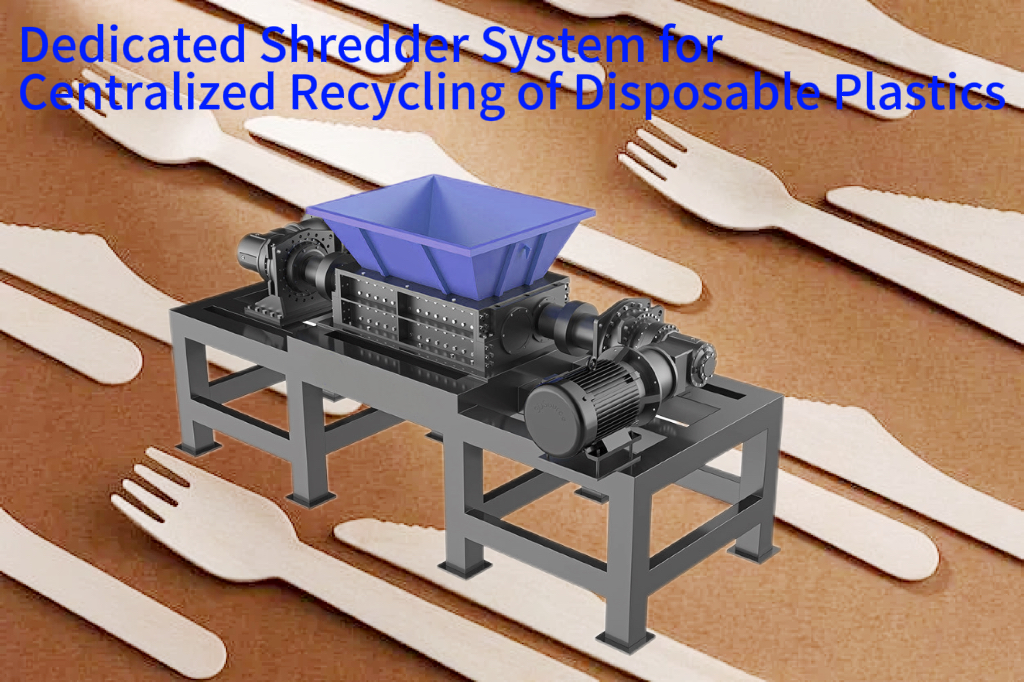
Within a centralized plant, different shredder types may be deployed for specific roles. The primary shredder, often a robust double-shaft plastic shredder, is designed to handle the mixed, bulky input with high throughput and reliability. Its design emphasizes durability and anti-jamming features. For certain streams, such as purified flakes needing further size reduction before pelletizing, a secondary granulator or fine shredder with different cutting geometry and screen sizes is used. This two-stage shredding approach allows for optimization at each step, protecting the more precise secondary equipment from damaging contaminants and ensuring a uniform final particle size ideal for washing and extrusion.
Integrated Automation and Process Control Networks
The efficient operation of a large-scale plant depends on sophisticated automation. A central Programmable Logic Controller network manages the entire material flow, synchronizing conveyors, feeders, shredders, and sorting units. Sensors monitor motor amperage on shredders to detect overloads and automatically trigger reversal sequences to clear jams. Weigh scales and flow meters track material throughput at each stage, providing data for production optimization and yield calculation. This integrated control system minimizes human intervention in hazardous areas, ensures consistent processing conditions, and collects valuable operational data for predictive maintenance and continuous improvement of the entire recycling line.
Energy Optimization and Heat Recovery Strategies
Processing large volumes of material is energy-intensive, making efficiency a key economic and environmental concern. Modern systems incorporate several energy recovery mechanisms. The friction generated within the shredding chamber produces heat; this thermal energy can be captured through cooling systems and repurposed for pre-heating wash water. Hot wastewater from the cleaning stages can pass through heat exchangers to pre-warm incoming fresh water. The thermal drying process for cleaned flakes is a major energy consumer; using high-efficiency air dryers with heat recovery loops significantly reduces the natural gas or electricity demand. These integrated strategies lower the system's carbon footprint and operating costs.
Customized Shredding Process: From Feedstock to Controlled Flakes
The initial preparation and shredding stage sets the foundation for all downstream cleaning and sorting success. Incoming single-use plastics are rarely pure streams; they contain significant quantities of non-target materials. The pre-sorting area utilizes a combination of manual sorting stations and automated equipment like magnetic separators to remove ferrous metals and air classifiers to blow away lightweight papers and films. This step aims to provide the primary shredder with a feedstock that is predominantly plastic, protecting the cutting system from excessive wear and reducing the contaminant load early in the process.
The shredding process itself is finely tuned. Critical parameters like rotor speed, cutting tip clearance, and screen size are adjusted based on the specific mix of plastics being processed. For brittle plastics like polystyrene cups, a higher rotational speed might be used to achieve a more fractural break. For tough, flexible polyethylene films, a slower speed with greater torque and specialized hooked cutters is essential to tear the material without wrapping. The target output flake size, typically between 10mm and 20mm, is carefully chosen. This size is large enough to be efficiently separated in subsequent water-based float-sink tanks but small enough to expose maximum surface area for effective cleaning in wash tanks.
In-Line Contaminant Removal During Shredding
Advanced shredding systems incorporate initial separation steps directly within or immediately after the shredding stage. As material exits the cutting chamber, it may pass over vibrating screens that sift out fine dirt, sand, and glass fragments. Air knife systems can be positioned to blow off lightweight paper labels and residual food particles that have been liberated from the plastic surfaces during shredding. This "pre-cleaning" at the shredder discharge reduces the burden on the main washing plant, improves water quality in the wash loops, and enhances the overall purity of the material stream before it enters the more energy-intensive wet processing stages.
Advanced Tooling for Abrasion and Corrosion Resistance
The cutting components of a shredder processing post-consumer plastics face extreme wear. Sand, glass, and mineral fillers from contaminated waste act as abrasives. Moisture and chemical residues from food and cleaning agents can promote corrosion. To combat this, shredder rotors and stators are equipped with cutting inserts made from specially formulated alloy steels, often with high chromium content for corrosion resistance. The cutting edges are frequently treated with hardened coatings, such as tungsten carbide, to drastically extend their service life. The use of modular, bolt-on cutting inserts also simplifies and speeds up maintenance, allowing for the replacement of worn segments without dismantling the entire rotor shaft.
Designing for High Availability and Rapid Maintenance
In a continuous operation central plant, shredder downtime directly translates to lost revenue. Machine design therefore prioritizes ease of access and serviceability. Large hydraulically operated side doors provide full access to the cutting chamber for inspection and tool change. Rotors are engineered to allow individual cutting discs or inserts to be replaced without removing the entire shaft assembly. Centralized automated lubrication systems ensure bearings and gears are maintained without interrupting production. These design features, combined with a strategic inventory of critical spare parts like fixed-bed knives and screen meshes, maximize the operational availability of this core processing unit.
Advanced Purification and High-Value Sorting in a Centralized Plant
After shredding, the plastic flakes enter the purification phase, which is often the most technologically complex part of a recycling facility. The first step typically involves a hot wash, where flakes are agitated in a heated water bath, often with the addition of mild caustic cleaning agents. This process dissolves and loosens fats, sugars, and glues. Following this, the material usually moves to a friction washer, a high-intensity unit that scrubs the flakes against each other and the machine walls to physically detach stubborn labels and ingrained dirt. This combination of thermal, chemical, and mechanical action is highly effective at restoring the plastic to a near-virgin level of surface cleanliness.
Once cleaned, the mixed polymer flakes must be separated into pure material streams to achieve high market value. The most common method is sink-float separation, also known as hydrocycloning. Flakes are fed into water tanks where their density determines their fate: polypropylene and polyethylene, with densities below 1.0 g/cm³, float and are skimmed off, while plastics like PET and PVC sink. For more precise separation of polymers with very similar densities, froth flotation is used, where air bubbles are introduced and specific chemicals make one polymer type hydrophobic, causing it to attach to bubbles and rise. Finally, eddy current separators and advanced optical sorters using near-infrared sensors provide the final purification, removing any remaining metal fragments and sorting plastics by color and polymer type with incredible accuracy.
Advanced Purification & Sorting Workflow
Hot Wash (60-80°C)
Dissolve fats/sugars with mild caustic
Friction Scrubbing
Remove stubborn labels & ingrained dirt
Sink-Float Separation
Separate by density (PE/PP float, PET/PVC sink)
NIR Optical Sorting
Sort by polymer type & color (99% accuracy)
Eddy Current Separation
Remove residual metal contaminants
Closed-Loop Water Management and Effluent Treatment
The washing process consumes large volumes of water and generates wastewater laden with organic residues, cleaning chemicals, and microplastics. A responsible centralized plant operates a closed-loop or near-zero liquid discharge water treatment system. Wastewater is first passed through screens and settling tanks to remove coarse solids and suspended plastics. Dissolved organic matter is then broken down using biological treatment processes. Advanced filtration, including membrane technologies, further purifies the water so it can be reheated and reused in the wash lines. This minimizes freshwater intake, prevents environmental pollution, and reduces overall operating costs associated with water supply and sewer discharge fees.
Handling Multi-Layer and Composite Packaging
A significant challenge in single-use plastic recycling comes from multi-material items like drink cartons or metallized snack bags. Dedicated systems address this through targeted processing streams. Specialized shredders can be configured to delaminate these materials, tearing apart the plastic, paper, and aluminum layers. Subsequent separation stages then isolate the components: hydrocyclones separate the plastics, flotation cells recover the paper fibers, and aluminum is recovered from the heavy fraction. While technically demanding, this ability to process complex composites increases the overall recovery rate from the waste stream and extracts maximum value from otherwise unrecyclable packaging.
Final Quality Assurance and Preparation for Manufacturing
Following sorting, the purified plastic flakes undergo final processing to become a manufacturer-ready commodity. They are mechanically dewatered using centrifugal dryers to remove surface moisture and then passed through a hot air drying system to achieve a very low internal moisture content, essential for preventing defects during later melting. The dried flakes can be sold directly as post-consumer recycled flake, or they can be further processed in an integrated extrusion line. Here, the flakes are melted, filtered through fine screens to capture any micron-sized contaminants, and formed into uniform pellets. These pellets are the gold standard of recycled plastic, with consistent size, shape, and properties that allow them to seamlessly integrate into the production of new plastic products, from textile fibers to automotive components.
Economic Viability and Operational Models for Centralized Facilities
The establishment of a dedicated single-use plastic recycling center represents a significant capital investment, often ranging from several million to tens of millions of dollars depending on scale and technological sophistication. Major cost components include the land and building, the processing equipment itself, installation and commissioning, and the necessary environmental control systems like water treatment and air filtration. Operational expenses are ongoing and include labor for management, operations, and maintenance, substantial energy costs for shredding, washing, and drying, consumables like shredder knives and wash chemicals, and logistics for both inbound waste and outbound recycled product.
Revenue for such a facility is generated through a multi-stream model. A primary income source is a gate fee or tipping fee charged to municipalities or waste management companies for accepting and processing the plastic waste. The core revenue stream, however, comes from the sale of the cleaned and sorted plastic materials, either as flakes or pellets. The price for this material fluctuates with global commodity markets but is typically a significant fraction of the cost of virgin plastic. Additional revenue can come from the sale of recovered by-products, such as metals from eddy current separators, or from renewable energy credits and carbon offset programs that quantify the facility's role in reducing greenhouse gas emissions compared to landfilling or incineration.
The Public-Private Partnership Framework for Project Development
Given the high upfront costs and long-term nature of recycling infrastructure, many successful facilities are developed through Public-Private Partnerships. In this model, a municipal or regional government body provides crucial support, which may include long-term land leases at favorable rates, guaranteed minimum supply of feedstock through public waste collection contracts, or assistance with permitting and regulatory compliance. The private sector partner brings the capital, technological expertise, and operational know-how to design, build, and run the facility. This framework aligns public environmental goals with private sector efficiency, distributes risk, and creates a stable foundation for a long-term recycling enterprise that serves the community.
Leveraging Smart Technology for Operational Excellence
Maximizing the profitability of a recycling plant depends on optimizing every aspect of its operation. Modern facilities employ Industry 4.0 principles, embedding sensors throughout the production line to collect real-time data on machine health, energy consumption, material flow rates, and product quality. This data is analyzed using cloud-based platforms and artificial intelligence algorithms. The system can predict when a shredder rotor's bearings are likely to fail based on vibration trends, allowing for scheduled maintenance instead of catastrophic breakdown. It can also dynamically adjust processing parameters, like wash water temperature or optical sorter sensitivity, to adapt to variations in the incoming waste stream, ensuring consistent output quality and maximizing material recovery.
Building a Circular Ecosystem with Brand Partnerships
The most resilient and advanced recycling operations are those integrated into a broader circular economy. This involves forming direct partnerships with major consumer goods companies that use single-use plastics in their packaging. These brands, under pressure to meet ambitious recycled content targets, can provide a stable offtake agreement for the plant's output, guaranteeing a market for the recycled pellets at a predictable price. In some cases, brands co-invest in the recycling infrastructure itself or help fund the development of specialized collection programs for their products. This creates a true closed-loop system where the brand's packaging is collected, processed through the dedicated facility, and returned to them as high-quality recycled material for making new packaging, demonstrating a tangible corporate commitment to sustainability.