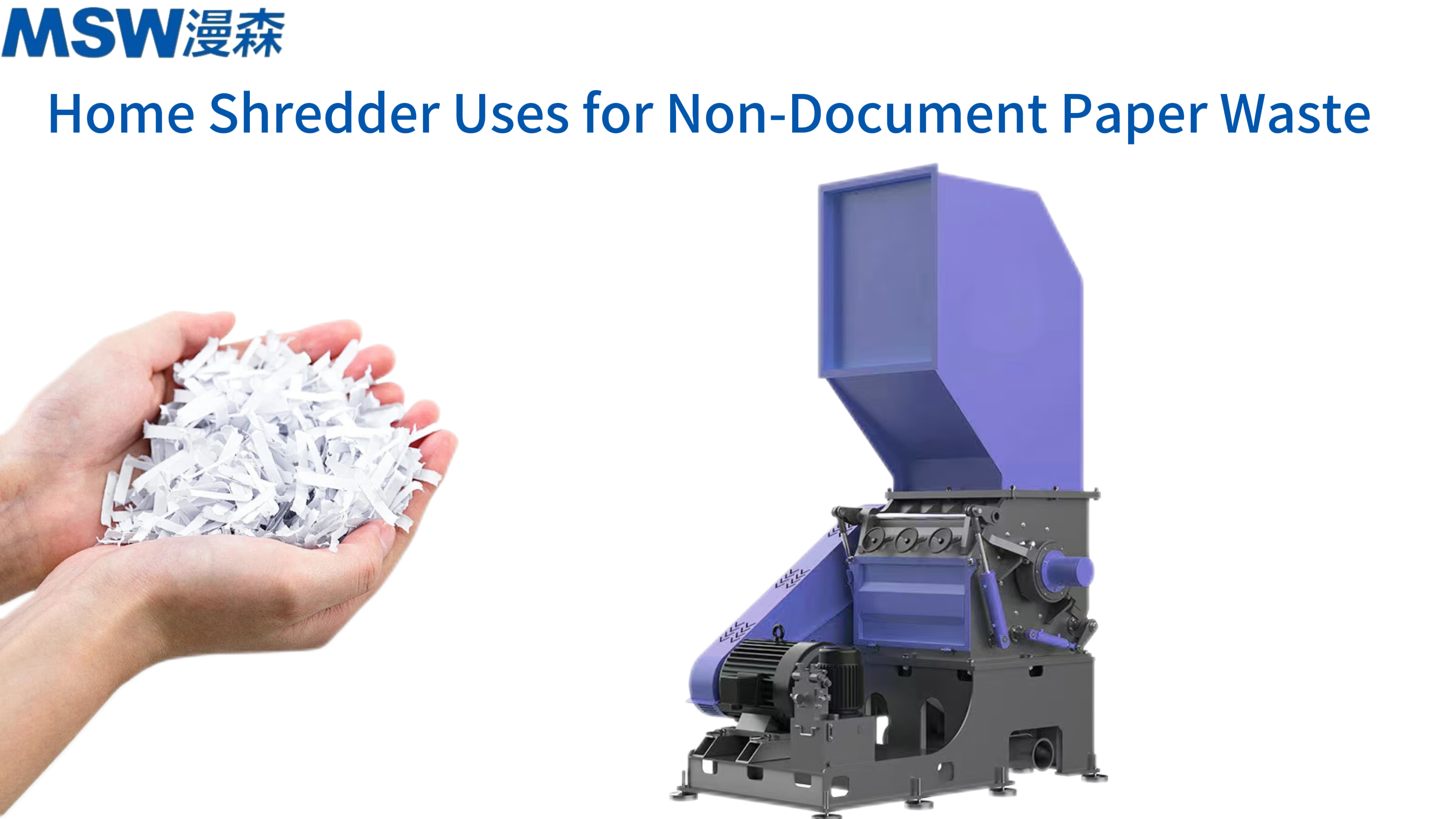
Home shredders are commonly purchased with the sole purpose of destroying sensitive documents such as bank statements or tax records. This perception limits the utility of a device that sits idle for most of the year. A typical household generates significant quantities of paper waste beyond confidential files. Much of this waste can be processed safely and effectively by a standard home shredder. Expanding the use of this machine transforms it from an occasionally-used security tool into a regular part of household waste management. This guide explores the various types of non-document paper waste suitable for home shredding. It provides practical information on preparation techniques, safety considerations, and the many valuable ways to reuse the resulting shredded material. Understanding these applications allows homeowners to reduce their environmental footprint, decrease waste volume, and find creative uses for what was once simply trash. MSW Technology, with 15 years of experience in the shredding industry, recognizes that the principles of size reduction apply equally to home environments, albeit on a different scale.
The Core Value of Processing Non-Document Paper Waste with a Home Shredder
Home Shredder Utilization & Benefits Comparison
| Metric | Traditional Use (Documents Only) | Expanded Use (All Paper Waste) |
|---|---|---|
| Monthly Operation Time | < 1 hour | Several times per week |
| Waste Volume Reduction | Minimal | Dramatic (fraction of original) |
| Environmental Impact | Low | High (reuse/compost) |
| Privacy Protection | Partial (only documents) | Comprehensive (all paper) |
The decision to shred non-document paper waste offers multiple benefits that extend far beyond simple decluttering. A home shredder represents an investment, and maximizing its utility ensures this investment provides continuous value. Many households use their shredder only a few times per year, leaving it unused for months. Incorporating everyday paper waste into the shredding routine keeps the machine in regular operation and makes it a functional part of daily life. This approach also contributes directly to environmental sustainability efforts at the household level. Paper waste occupies valuable space in trash bins and landfills. Shredding reduces its volume dramatically, meaning fewer trash bags and less frequent collection needs. The environmental impact continues through the secondary use of shredded paper, which can replace purchased products like packaging materials or pet bedding. Another critical consideration involves information security. Many non-document items carry personal data that many people overlook. The cumulative effect of these benefits makes shredding non-document paper waste a practice worth adopting.
Increasing Home Shredder Utilization Rates
Statistics show that the average home shredder operates for less than one hour per month. This low utilization means a device occupying space and representing cost remains largely inactive. Processing non-document paper waste changes this pattern dramatically. A family generating regular mail, school papers, and packaging materials can easily find uses for their shredder several times per week. This regular operation keeps the mechanical components active and prevents the stagnation that can lead to issues like lubricant hardening or blade corrosion. The machine becomes a familiar part of household routines rather than a forgotten appliance. Children can participate in shredding their old schoolwork, teaching them about recycling and waste reduction. The increased usage justifies the initial purchase cost and extends the practical value of the equipment throughout its operational life.
Contributing to Household Waste Reduction and Recycling
The volume reduction achieved through shredding is substantial. A stack of newspapers or magazines that would fill a large trash bag can be reduced to a fraction of its original volume after shredding. This reduction means fewer trips to outdoor bins and less frequent collection needs. Municipal waste processing systems benefit when residents take steps to manage their own waste more effectively. Shredded paper also integrates seamlessly with home composting systems when used in appropriate quantities. The carbon-rich material balances kitchen scraps and contributes to healthy soil production. Families committed to reducing their environmental impact find that shredding paper waste aligns perfectly with their values. The practice demonstrates that small, consistent actions at the household level contribute to broader environmental goals when multiplied across many homes.
Creating Secondary Value from Shredded Paper Waste
Shredded paper should not be viewed as waste but rather as a raw material for other household applications. The fibrous nature of paper makes it useful in numerous situations around the home. Packaging represents one of the most immediate and practical applications. Anyone who has received a package filled with foam peanuts or bubble wrap knows that these materials create waste of their own. Shredded paper provides a biodegradable, free alternative that works just as well for protecting fragile items. Gardeners find shredded paper valuable for moisture retention in potted plants and as a component of compost bins. Pet owners can use it as bedding material for small animals. These applications reduce the need to purchase specialized products while simultaneously finding productive use for material that would otherwise enter the waste stream.
Addressing Privacy Concerns Hidden in Non-Document Paper
Many people assume that only formal documents contain sensitive information. This assumption overlooks the personal data present on numerous everyday paper items. Shipping labels on packages display names and addresses clearly. Junk mail often includes personalized codes and account information. Prescription receipts from pharmacies contain medication names and patient details. Credit card receipts, even truncated ones, provide transaction history. Throwing these items directly into the trash creates a potential pathway for identity theft. Dumpster diving remains a real technique used by those seeking personal information. Shredding all paper that enters the home, regardless of whether it looks like a formal document, creates a comprehensive privacy protection strategy. This approach eliminates the need to judge which items pose risks and which do not.
Office and School Paper Waste Suitable for Home Shredders
Office/School Paper Shredding Process
| Paper Type | Preparation Required | Shredding Notes |
|---|---|---|
| Notebooks/Exercise Books | Remove spirals/staples/hard covers | Batch process every few months |
| Envelopes | Remove plastic windows/adhesive labels | Good for packaging reuse |
| Printer/Copier Paper | Check moisture content | Mix with other paper types |
| Sticky Notes/Memo Pads | Remove adhesive strips (optional) | Mix with larger paper sheets |
The home office and children's study areas generate substantial quantities of paper waste that have nothing to do with sensitive documents. This category includes materials with paper characteristics similar to standard document paper, meaning they pass through shredders easily without causing mechanical stress. The key to processing these materials lies in proper preparation before feeding them into the machine. Removing non-paper attachments like metal spirals from notebooks or plastic covers from report folders prevents damage to the cutting blades. Once prepared, these papers can be shredded in batches during regular household shredding sessions. The resulting material often proves particularly useful for secondary applications because it consists of clean, standard paper fibers without coatings or contaminants.
Processing Old Notebooks, Exercise Books, and Scrap Paper
Children accumulate notebooks and exercise books at an impressive rate throughout the school year. These items fill with homework, notes, and drawings that hold no long-term value once the school term ends. The paper quality in these books matches what home shredders handle best. The primary preparation task involves removing any spiral bindings, staples, or adhesive residues from the spine. Hard covers made of cardboard or plastic require separation from the paper pages. Once these non-paper elements are removed, the remaining pages feed through the shredder smoothly. Families with multiple children can accumulate a significant quantity of this material over time. Processing it in batches every few months keeps the waste under control and produces a steady supply of shredded paper for other household uses.
Shredding Envelopes and Correspondence Paper
Every household receives envelopes through the mail, both with and without sensitive contents. Even envelopes that contained advertisements or non-sensitive materials present disposal questions. The paper quality varies widely, from standard white envelopes to manila folders and colored stationery. Before shredding, remove any plastic windows that some envelopes include. These windows do not shred properly and can wrap around the cutting blades. Adhesive labels and stamps should also be removed when possible, though small amounts typically pass through without causing problems. The shredded result from envelopes works well for packaging applications because the paper fibers remain relatively strong. Correspondence paper, including letterhead and blank sheets, processes identically to document paper and produces consistent shreds suitable for any secondary use.
Handling Discarded Printer and Copier Paper
Home offices generate misprints, test pages, and documents that never contained sensitive information. This category includes pages printed with draft content, sheets used to clean printer rollers, and copies made for reference purposes. All of this paper remains perfectly suitable for shredding. The key consideration involves moisture content. Paper fresh from a printer or copier contains minimal moisture and shreds cleanly. Paper stored in damp basements or garages may develop moisture issues that affect shredding quality. Keeping a dedicated container for recyclable office paper near the printer encourages regular collection and processing. Mixing this material with other paper types during shredding sessions helps maintain blade cleanliness and prevents any single paper type from causing issues.
Managing Sticky Notes and Memo Pads
Sticky notes present a unique consideration in paper shredding. The adhesive strip along one edge can accumulate on shredder blades over time, particularly when large quantities are processed at once. The solution involves either removing the adhesive strips before shredding or mixing sticky notes with other paper types so the adhesive distributes across more surface area. Small quantities processed regularly cause fewer problems than large batches processed occasionally. Memo pads without adhesive present no special considerations and shred like any other paper. The small size of individual notes means they tend to feed erratically when inserted alone. Combining them with larger paper sheets ensures consistent feeding and complete shredding.
Household Consumer Paper Waste Suitable for Shredding
Household Consumer Paper Shredding Guide
Low Risk Paper Types
- Shipping/packaging paper (no plastic tape)
- Plain gift wrap (no foil/glitter)
- Newspapers (uncoated)
Minimal preparation, shred directly in batches
Medium Risk Paper Types
- Receipts (thermal paper)
- Magazines (glossy coated)
- Shipping labels (adhesive backing)
Process in small batches, monitor blade wear
High Risk Paper Types (Avoid/Prep Carefully)
- Gift wrap with foil/plastic/glitter
- Coated paper shopping bags
- Wet/damp paper products
Remove non-paper elements or avoid shredding
Privacy Risk Paper Types
- Shipping labels (name/address/tracking)
- Receipts (payment/purchasing data)
- Prescription receipts (medical info)
Must shred to prevent identity theft
The average household receives and generates an astonishing amount of paper from daily activities. Catalogs arrive in the mail, receipts accumulate in wallets and kitchen drawers, and packaging materials enter the home with every delivery. This category of paper waste often contains the most surprising personal information while also presenting the greatest variety in paper types and quality. Processing these materials requires attention to their specific characteristics. Some contain thermal coatings that react to heat, while others have glossy finishes that behave differently than standard office paper. Understanding these differences helps homeowners process the materials safely while protecting their shredder from damage. The rewards for this attention include both privacy protection and a steady supply of shredded material for reuse.
Processing Shipping Labels and Packaging Paper
Online shopping has transformed modern life, and with it comes an endless stream of shipping boxes and packaging materials. The shipping labels attached to these packages contain full names, addresses, and often order details or tracking numbers. These labels must be removed from boxes before disposal. Home shredders handle the labels themselves easily, but the adhesive backing requires consideration similar to sticky notes. Removing labels from cardboard and processing them separately works well. The plain brown paper used inside many packages, whether as filler or wrapping, shreds readily. This material proves especially useful for packaging applications because its natural color hides dirt and its fibers remain strong. Removing any plastic tape or synthetic materials before shredding prevents damage and ensures the final shredded product contains only paper.
Shredding Receipts and Sales Slips
Receipts present one of the most complex paper categories for home shredding. Many modern receipts use thermal paper rather than traditional ink-based printing. Thermal paper contains a coating that reacts to heat, which is how the printer creates text without ink. This coating can cause problems in shredders when processed in large quantities. The coating may transfer to blades or cause paper to stick together under certain conditions. Limiting receipt shredding to smaller batches minimizes these risks. The information on receipts deserves protection because it reveals purchasing habits, payment methods, and often partial card numbers. Retail receipts, pharmacy receipts, and restaurant bills all contain data that identity thieves find valuable. Processing them regularly, even in small batches, eliminates this source of potential information leakage.
Handling Gift Wrap and Wrapping Paper
Holidays and celebrations generate mountains of wrapping paper that typically heads directly to landfills. Much of this paper can be shredded successfully, though careful sorting proves essential. Pure paper wrapping without foil elements, plastic coatings, or glitter processes normally through home shredders. The issue arises with decorative papers that include non-paper materials. Foil coatings do not shred properly and can damage blades. Glitter and embossed elements may separate during shredding and create dust or blockages. Ribbons and bows must be removed completely before any paper enters the shredder. The reward for this careful sorting is a supply of colorful shredded paper perfect for reuse as gift filler or decorative packaging material in future gift-giving occasions.
Processing Newspapers and Magazines
Newspapers and magazines represent a significant portion of household paper waste. Newsprint shreds easily and produces a soft, absorbent material valuable for multiple applications. The primary consideration involves the ink, which can transfer to hands during handling. This transfer poses no safety risk but may be undesirable for some reuse applications. Magazines introduce glossy coated paper that behaves differently than newsprint. The coatings can dull blades faster than uncoated paper, so limiting magazine shredding or mixing it with other paper types helps distribute the wear. Removing staples from magazines before shredding prevents metal from entering the cutting mechanism. The shredded output from newspapers works exceptionally well for pet bedding and compost carbon sources, while magazine shreds provide colorful packaging material.
Special Paper Types Suitable for Home Shredders
Special Paper Types Shredding Guidelines
| Special Paper Type | Key Characteristics | Preparation Tips | Shredding Best Practices |
|---|---|---|---|
| Notebooks with Adhesive Bindings | Adhesive buildup on blades | Separate pages from spine if possible | Small sections + clean blades with standard paper |
| Paper Shopping Bags | Heavy paper, adhesive in gussets | Remove handles/plastic coatings | Trim adhesive areas or process in small quantities |
| Art Paper/Calligraphy Scraps | Heavier weight, unique texture | Cut large sheets into smaller pieces | Slow feeding to prevent strain |
| Labels/Stickers (No Plastic Backing) | Adhesive backing residue | Remove release liner/backing paper | Mix with other paper types, small batches |
Core Principle
Smaller quantities + monitor shredder performance
Adhesive Handling
Distribute residue across blades + post-shred cleaning
Output Value
Unique texture for creative reuse applications
Beyond the common paper categories, households encounter special paper types that require adjusted approaches for successful shredding. These materials often have unique characteristics that affect how they behave in the shredder. Some have adhesives, others have coatings, and some have physical structures different from standard paper. Understanding these special types allows homeowners to process them safely while protecting their equipment. The key principle involves processing these materials in smaller quantities than standard paper and monitoring the shredder's performance during operation. When done correctly, these special papers expand the range of household waste that can be processed productively rather than sent to landfills.
Handling Notebooks with Adhesive Bindings
Many notebooks and pads use adhesive binding rather than metal spirals or staples. This binding method presents both opportunities and challenges for shredding. The paper pages themselves shred normally, but the adhesive along the spine can accumulate on blades if processed in quantity. The solution involves separating the pages from the spine before shredding whenever possible. When separation proves impractical, processing the notebook in smaller sections with regular pauses allows any adhesive buildup to be cleared before it causes problems. Running several sheets of standard paper through after adhesive-bound pages helps clean the blades naturally. The resulting shreds from these notebooks show no visible difference from other paper sources once processed successfully.
Processing Paper Shopping Bags
Paper shopping bags have become common replacements for plastic bags in many retail environments. These bags consist of heavy paper stock that shreds readily in home machines. The preparation steps matter significantly for successful processing. Handles made of twisted paper or rope must be removed completely because they can wrap around shredder mechanisms. Any plastic coatings on the bag interior require identification; coated bags should not be shredded. The bottom gussets and folded areas may contain residual adhesive from the bag construction. These areas can be trimmed away or processed in small quantities to minimize adhesive accumulation. The resulting shreds from paper bags provide excellent packaging material due to their strength and thickness.
Managing Art Paper and Calligraphy Scraps
Households with artistic members generate unique paper waste from creative projects. Watercolor paper, drawing paper, and calligraphy practice sheets all have different characteristics than standard office paper. These papers typically contain no problematic elements beyond their weight and texture. Heavier art papers may require slower feeding to prevent shredder strain. Cutting larger sheets into smaller pieces before feeding helps the machine process them more easily. The shredded output from art papers varies in texture and absorbency, making it useful for different applications than standard shredded office paper. Artists themselves may find creative uses for the shredded material in collage work or as textural elements in new projects.
Handling Labels and Stickers Without Plastic Backing
Paper labels and stickers arrive in the home on various products and mail pieces. These items consist of paper with an adhesive backing designed to stick to surfaces. The adhesive presents the same considerations as sticky notes and envelope adhesives. Processing small numbers causes minimal issues, while large quantities can coat blades with adhesive residue. The key distinction involves the release liner or backing paper that protects the adhesive before use. This backing paper, when present, should be removed and discarded separately because it often has a non-stick coating that does not shred well. The paper label itself, once separated from its backing, processes normally. Mixing labels with other paper types during shredding helps distribute any adhesive residue across more blade surface area.
Operational Guidelines for Shredding Non-Document Paper Waste
Shredding Operational Guidelines
Materials Never Suitable for Home Shredders
| Forbidden Material | Reason for Prohibition |
|---|---|
| Laminated Papers | Plastic layers wrap around blades, cause jams |
| Plastic Credit Cards | Damage cutting mechanisms (designed for paper only) |
| Wet/Damp Paper | Clumps together, clogs discharge path |
| Thick Cardboard (>> standard file folders) | Strains motor not built for heavy loads |
| Rubber Bands/Fabric/Plastic Films | Wrap around rotating shafts, hard to remove |
| Metal Objects (Staples/Paper Clips - unremoved) | Directly damage sharp blades |
Successful shredding of diverse paper types requires attention to operational details that protect both the machine and the user. Home shredders have design limits that determine what materials they can process safely. Understanding these limits prevents damage and extends equipment life. The process begins before any paper enters the machine, with careful sorting and preparation. It continues during operation, with attention to feed rates and machine sounds. It concludes with proper cleaning and maintenance after each session. Following these guidelines transforms shredding from an occasional chore into a reliable household routine that consistently produces quality shredded material for reuse.
Materials Never Suitable for Home Shredders
Certain materials should never enter a home shredder regardless of how paper-like they appear. Laminated papers contain plastic layers that wrap around blades and cause jams. Plastic credit cards, while tempting to shred for security, damage home shredder mechanisms designed only for paper. Wet or damp paper clumps together and can clog the discharge path. Cardboard thicker than standard file folders strains home shredder motors not built for such loads. Rubber bands, fabric, and plastic films wrap around rotating shafts and require difficult manual removal. Metal objects obviously damage blades and should never approach the feed opening. Knowing these restrictions prevents the vast majority of shredder problems and ensures safe operation for the life of the machine.
Proper Preparation Sequence Before Shredding
Establishing a consistent preparation routine improves shredding efficiency and protects equipment. The sequence begins with collection, gathering paper of similar types together for processing. Next comes sorting, separating papers that require special handling from those that process normally. Removal follows, extracting all non-paper elements like staples, paper clips, plastic windows, and adhesive labels when practical. Cutting large sheets or tearing them into smaller pieces helps the shredder feed consistently. Finally, the prepared materials move to the shredding location for processing. This systematic approach reduces the chance of accidentally feeding inappropriate materials and makes the actual shredding session faster and more productive.
Safety Considerations During Operation
Home shredders contain powerful motors and sharp blades that demand respect during operation. The feed opening should never receive fingers or any body part. Long hair, loose clothing, and jewelry must stay clear of the intake area. Children require supervision around operating shredders, and many models include safety features that prevent operation when the shredder head is lifted. Pets should remain in other rooms during shredding sessions to prevent accidents. Overload situations require immediate shutdown rather than forcing more paper through. Waiting for the motor to cool and clearing any jams according to manufacturer instructions prevents damage and maintains safety. These simple precautions ensure that shredding remains a safe household activity.
Managing Shredded Material After Processing
The shredded paper emerging from the machine requires proper handling to realize its value. Material destined for reuse should be stored in clean, dry containers separate from material intended for disposal. Bags or bins work well for collection, and labeling helps family members know what each container holds. Material intended for disposal should enter recycling streams according to local guidelines. Many municipalities accept shredded paper in curbside recycling when contained in paper bags or clearly marked containers. Material bound for compost or garden use can be stored outdoors in covered containers until needed. Regular removal of shredded material from the shredder's bin prevents overflow and keeps the machine ready for the next session.
Practical Reuse Applications for Shredded Household Paper
Shredded Paper Reuse Applications
Distribution
| Reuse Category | Key Applications | Benefits | Paper Type Best Suited |
|---|---|---|---|
| Packaging Material | Shipping cushioning, gift filler, fragile item protection | Free, biodegradable, replaces foam/bubble wrap | Envelopes, paper bags, colored magazine paper |
| Gardening/Composting | Compost carbon source, mulch, potting soil amendment, worm bedding | Balances compost ratio (30:1 C:N), retains moisture, suppresses weeds | Newspapers, plain office paper, uncoated paper |
| Pet Bedding | Hamsters/gerbils/rabbits/guinea pigs bedding | Free, absorbent, odor control, natural burrowing material | Plain newsprint, uninked office paper (no glossy/coated) |
| Cleaning/Emergencies | Spill absorption, greasy tool wiping, water damage control, workshop traction | Absorbent, disposable, compostable after use | Newspapers, printer paper (absorbent types) |
The shredded paper produced through home shredding represents a valuable resource rather than waste. Creative households find dozens of applications for this material, replacing purchased products and reducing their environmental impact simultaneously. The applications span multiple categories including packaging, gardening, pet care, and household maintenance. Each use takes advantage of the unique properties of shredded paper: its absorbency, its cushioning ability, its carbon content, and its fibrous structure. Experimenting with different applications helps each household find the uses that best fit their lifestyle and needs. The satisfaction of turning what would have been trash into something useful adds an intangible benefit to the practical advantages.
Using Shredded Paper as Packaging Material
Anyone who ships items through the mail knows the cost and bulk of commercial packaging materials. Shredded paper provides an excellent free alternative for protecting items during transit. The paper fibers cushion fragile objects and fill empty spaces that would otherwise allow movement inside boxes. For shipping, slightly crumpling the shredded paper before use increases its cushioning properties. The material works particularly well for glass items, ceramics, and electronics when combined with appropriate outer packaging. Gift givers can use colored shredded paper from magazines or wrapping paper as decorative filler in gift bags and boxes. Recipients appreciate the presentation, and the material can be composted or reused rather than discarded.
Applications in Home Gardening and Composting
Gardeners recognize shredded paper as a valuable soil amendment and mulch material. Mixed into compost bins, paper provides carbon that balances nitrogen-rich kitchen scraps. The ideal compost ratio approximates 30 parts carbon to 1 part nitrogen, and shredded paper serves as an excellent carbon source. Spread as mulch around plants, shredded paper suppresses weed growth and retains soil moisture. The paper gradually breaks down, adding organic matter to the soil. Potted plants benefit from a layer of shredded paper on the soil surface, which reduces evaporation and keeps soil temperatures stable. Worms in vermicomposting bins consume shredded paper readily, converting it into rich castings for garden use.
Providing Bedding for Small Pets
Owners of small animals like hamsters, gerbils, rabbits, and guinea pigs constantly need fresh bedding material. Commercial bedding costs money and comes packaged in plastic. Shredded paper from the home provides a free, readily available alternative. The paper absorbs moisture and controls odors when changed regularly. Animals can burrow and nest in the material, satisfying natural behaviors. The key consideration involves avoiding glossy or heavily inked papers that might contain harmful substances. Plain newsprint and office paper work best. The bedding requires regular changing, but the used material can go directly into compost bins, completing a sustainable cycle from waste to animal care to garden soil.
Household Cleaning and Emergency Uses
Shredded paper proves useful for numerous cleaning and maintenance tasks around the home. A handful of shreds absorbs spills on kitchen counters or workshop surfaces quickly. The paper can be used for wiping greasy tools before washing, extending the life of cleaning rags. In the workshop, shredded paper absorbs oil drips and provides traction on slippery surfaces when scattered temporarily. During emergencies like burst pipes, shredded paper helps contain water damage when used to soak up moisture. While not replacing purpose-built cleaning products for all situations, shredded paper handles many everyday messes effectively and can be composted after use rather than adding to landfill waste.
Maintaining Your Home Shredder for Mixed Paper Processing
Processing diverse paper types places varying demands on home shredders. Regular maintenance becomes more important when the machine handles materials beyond standard document paper. The good news is that proper maintenance routines remain simple and require only a few minutes after each shredding session. These routines prevent the accumulation of paper dust, adhesive residues, and fiber buildup that can impair performance over time. They also extend blade life and keep the motor running smoothly. Establishing consistent maintenance habits ensures the shredder remains ready for use whenever paper waste accumulates, supporting the expanded role this machine plays in household waste management.
Immediate Post-Shredding Cleaning Procedures
The best time to clean a shredder is immediately after use, before paper dust and residue have time to settle. Unplugging the machine provides safety during cleaning. A soft brush works well for removing visible paper particles from the feed opening and blade area. Compressed air, used carefully, blows dust from deeper recesses without introducing moisture. Many shredders include a cleaning function or reverse mode that helps clear the last bits of paper from the blades. Running this cycle after each major shredding session keeps the mechanism clear. The waste bin should be emptied and inspected for any foreign materials that might have passed through the system, providing feedback on preparation quality.
Blade Maintenance for Extended Life
Shredder blades gradually dull through normal use, but proper maintenance slows this process significantly. Manufacturers recommend regular lubrication with specialized shredder oil. The oil reduces friction between blades, lowers operating temperatures, and helps clear accumulated paper dust. The procedure involves applying oil across the full width of the blades and running the shredder in reverse for a few seconds to distribute it. The frequency depends on usage, with heavy users lubricating before each emptying of the waste bin. After processing materials with adhesives or coatings, immediate lubrication helps remove any residue before it hardens. Sharp blades produce cleaner cuts and place less strain on the shredder motor.
Clearing Jams Safely and Effectively
Jams occur occasionally even with careful operation. The proper response begins with immediate shutdown to prevent motor strain. After unplugging the machine, the reverse function often clears minor jams by backing the paper out. For stubborn jams, accessing the cutting mechanism according to manufacturer instructions allows manual removal. Tools like tweezers or needle-nose pliers help extract wrapped paper, but fingers must stay clear of the blade area. The causes of jams deserve investigation after clearing. Too much paper fed at once, wet paper, or inappropriate materials all cause jams. Adjusting procedures based on jam causes prevents future occurrences and protects the machine from repeated stress.
Establishing a Regular Maintenance Schedule
Consistent maintenance proves more effective than sporadic attention when problems arise. A simple schedule based on usage patterns works well for most households. Weekly users might perform a quick cleaning after each session and oil the blades monthly. Occasional users might oil before each major shredding session. The schedule should include quarterly inspections of the power cord for damage, the blades for visible wear, and the housing for cracks or loose components. Keeping a small maintenance log, even just notes on a calendar, helps track when oiling and cleaning occurred. MSW Technology's 15 years of experience in the shredding industry confirms that regular maintenance dramatically extends equipment life across all types and sizes of shredders.
Common Misconceptions About Home Shredding of Non-Document Paper
Despite the growing popularity of home shredding, misconceptions persist about what materials can be processed and how processing affects the machine. These misconceptions lead either to unnecessary caution that limits shredder use or to practices that damage equipment. Addressing these misunderstandings helps homeowners use their shredders confidently and correctly. The information presented here draws on both manufacturer guidelines and real-world experience with home shredders processing diverse paper types. Understanding the facts behind each misconception allows for informed decisions about what to shred and how to shred it.
Misconception: All Paper Products Are Safe for Shredding
The belief that any item made from paper can go through a home shredder causes significant equipment damage. Paper varies enormously in its composition and physical properties. Some papers contain synthetic fibers that do not cut cleanly. Others have coatings that melt or gum up blades under friction. Laminated papers include plastic layers that wrap around rotating shafts. The safe approach involves knowing what specific paper types your shredder can handle and testing new materials in small quantities before committing larger batches. Manufacturer documentation provides guidance on acceptable materials, and online resources offer community knowledge about specific shredder models and their capabilities.
Misconception: Preparation Takes Too Much Time
Some households avoid shredding non-document paper because they perceive the preparation work as burdensome. The reality is that preparation becomes faster with practice and can be integrated into existing routines. Keeping a small container near the paper recycling for items needing staple removal or adhesive separation allows this work to happen in moments throughout the week. Batch processing, where similar materials accumulate until enough exists for a shredding session, improves efficiency. The time invested in preparation pays dividends through longer equipment life, fewer jams, and higher quality shredded output suitable for reuse applications.
Misconception: Shredding Damages the Machine Faster
This misconception contains a kernel of truth but reaches the wrong conclusion. Shredding more material does increase total wear on the machine, just as driving more miles increases wear on a car. The key comparison involves whether shredding non-document paper causes disproportionate wear compared to shredding documents. For properly prepared materials within the machine's design limits, the wear rate per pound of paper remains similar regardless of whether that paper was a bank statement or a magazine. The machine wears out through total use, not through the type of paper processed. Since the machine would otherwise sit idle, processing additional materials extracts more value from the same total wear.
Misconception: Home and Industrial Shredders Have Similar Capabilities
The word "shredder" applies to vastly different machines, from tiny personal devices to industrial giants capable of processing engine blocks. This shared terminology leads some to overestimate what home shredders can handle. Industrial machines like those manufactured by MSW Technology use hydraulic systems, massive motors, and hardened steel components to process materials impossible for home equipment. Home shredders operate within strict power and structural limits that determine acceptable paper types and quantities. Recognizing these limits prevents the frustration and damage that occurs when home users attempt tasks requiring industrial equipment. Solid waste shredders in industrial settings handle materials that would destroy a home machine instantly. Double shaft paper shredders used commercially operate continuously for hours, unlike home units designed for intermittent use. The gears transmission system in home shredders uses lighter materials than their industrial counterparts. Motor thermal protection exists on both types but operates at vastly different scales. Anti-jamming mechanisms on home units provide basic protection, while industrial systems include sophisticated sensors and controls. Four shaft paper shredders represent industrial solutions for high-volume applications. Soft material shredding solutions at industrial scale handle bales and pallets of material. Understanding these differences ensures appropriate expectations and safe operation of home equipment. MSW Technology's 15 years of experience spans both domains, confirming that each type serves its intended purpose optimally when used correctly.