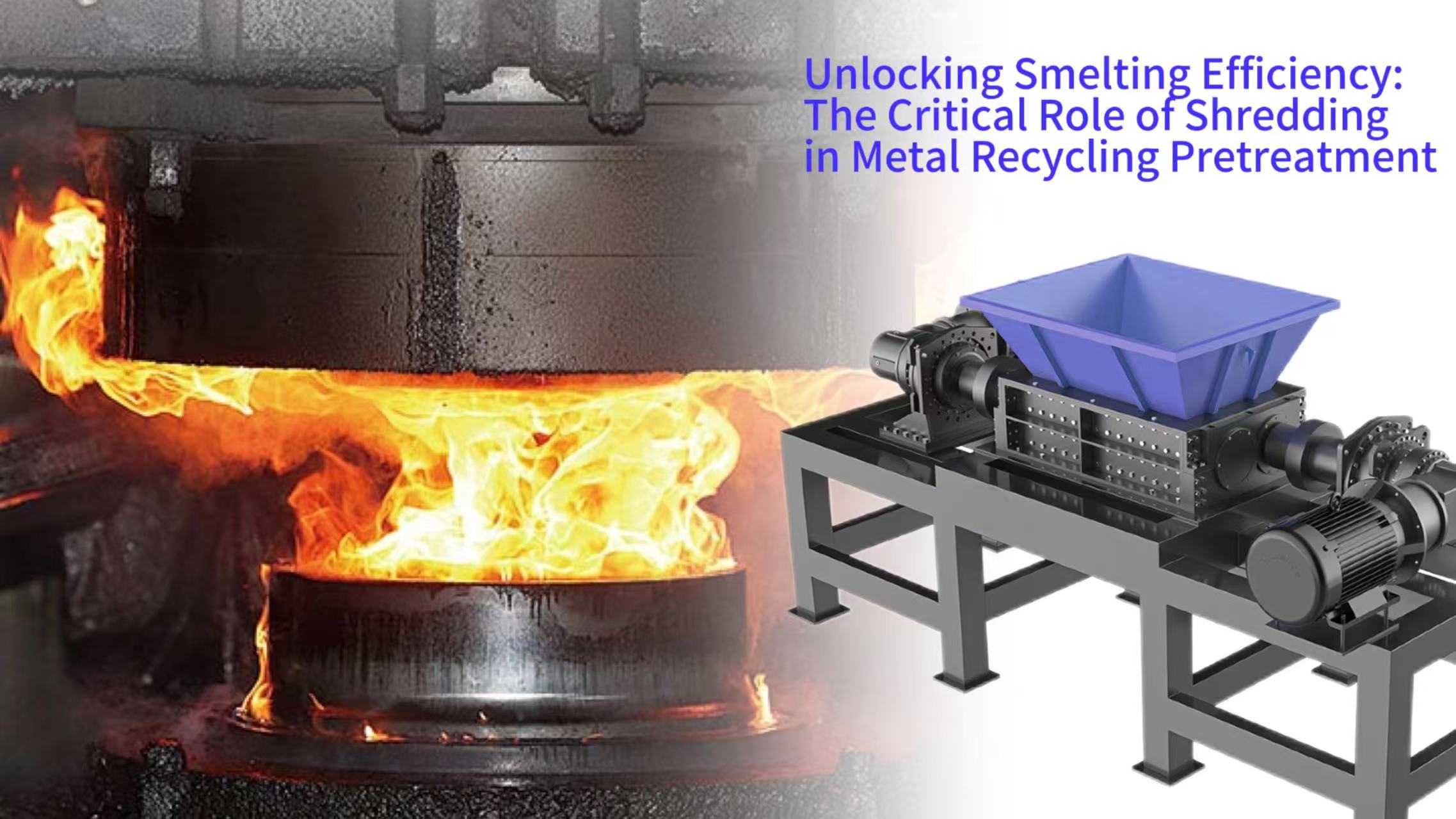
The global movement toward resource conservation and energy reduction has placed the metal recycling industry at the forefront of industrial transformation. Recovered scrap metal, whether from obsolete automobiles, demolished structures, or manufacturing offcuts, represents a substantial reservoir of raw material that requires significantly less energy to reprocess than virgin ore. However, the path from discarded metal to high-quality smelter feedstock is obstructed by considerable challenges. End-of-life products are rarely composed of a single metal; they are assemblies of steel, aluminum, copper, plastics, rubber, and glass, often intricately joined. Traditional methods of preparing this material, such as manual dismantling with torches or basic hydraulic shears, struggle to cope with the scale and complexity of modern waste streams. These approaches are labor-intensive, expose workers to safety hazards, and fail to liberate different materials from one another effectively. The consequence for smelters is an inconsistent, contaminated charge that leads to higher energy consumption, unstable furnace conditions, and lower recovery rates of valuable metal. The industrial shredder has emerged as the definitive solution to this pretreatment bottleneck. By applying immense mechanical force to tear composite materials apart, these machines produce a clean, dense, and homogeneous feedstock that transforms the economics and efficiency of the smelting process.
The Foundational Principles and Mechanisms of the Industrial Metal Shredder
Core Mechanisms of Industrial Metal Shredder
Motor → Gear System → Torque Multiplication → Tear Ductile Metals
Sensors → Detect Jam → Reverse Shafts → Clear Obstructions
Shear/Tear/Fracture → Homogeneous Granular Product
Enclosed Chamber → Dust Extraction → Hazard Mitigation
An industrial metal shredder is a sophisticated system engineered to reduce complex ferrous and non-ferrous scrap into a consistent granular product. Its operation is not merely about reducing volume; it is a controlled process of material liberation and homogenization that prepares scrap for precise separation and high-yield melting. The effectiveness of these machines is rooted in several key engineering principles that differentiate them from other types of size reduction equipment.
The Principle of Low-Speed, High-Torque Power Transmission
Unlike machines designed for friable materials that rely on high-speed impact to shatter their target, metal shredders must contend with materials that are ductile and tough, such as steel plate or aluminum extrusions. These machines therefore operate on a fundamentally different principle: the application of enormous force at slow speed. A powerful electric or hydraulic motor drives a gear system that multiplies torque significantly while reducing rotational speed. This massive rotational force is delivered to the cutting shafts, enabling the shredder to grip, stretch, and ultimately tear thick or resilient metals apart . This high-torque approach provides the mechanical advantage needed to overcome the tensile strength of the material without stalling, ensuring continuous productivity even when processing challenging items like reinforced beams or entire vehicle bodies.
The Mechanism of Intelligent Overload Protection and Reversal
The unpredictable nature of scrap metal streams presents a constant risk of introducing an object too hard or too massive for the machine to process safely. To manage this risk, modern shredders are equipped with intelligent control systems that act as a digital safety net. Sensors continuously monitor the load on the drive motors and the rotational speed of the shafts. If the system detects an anomaly, such as a sudden spike in torque indicating a jam, it immediately executes a pre-programmed response. The drive controller reverses the direction of the shafts for a few seconds, clearing the obstruction by backing the material out of the cutting chamber . The system then automatically re-engages forward rotation to resume normal operation. This automated cycle protects critical components like the gearbox and shafts from catastrophic stress damage and minimizes costly, unscheduled downtime.
Shear, Tear, and Fracture: The Core Size Reduction Process
The actual reduction of material size is achieved through a combination of mechanical actions that vary depending on the machine configuration. In multi-shaft shredders, interlocking cutters mounted on counter-rotating shafts perform the primary work. As the shafts turn, the cutters hook into the material, pulling it down and shearing it against fixed anvils or opposing cutters . This tearing action is particularly effective at ripping apart composite materials, breaking spot welds and separating joined components. For applications requiring a finer, more uniform output, such as preparing material for direct smelting, a scrap metal hammer mill shredder is often employed. In this configuration, a high-speed rotor fitted with swinging hammers pulverizes the material through repeated impacts until it is small enough to pass through a sizing screen .
Design for Safety and Environmental Containment
Processing scrap metal involves inherent risks, particularly from potential explosions caused by sealed containers or residual fuels. The design of the industrial shredder incorporates features to mitigate these dangers. The enclosed and reinforced nature of the cutting chamber contains fragments and dissipates energy. Furthermore, the tearing action is designed to safely breach sealed items like gas tanks or pressurized cylinders, releasing their contents in a controlled manner rather than allowing them to enter a hammer mill where they could ignite . To address environmental concerns, modern shredders are designed for integration with advanced dust extraction systems. These systems create negative pressure within the shredding housing, capturing fine particulate matter generated during processing and preventing its release into the atmosphere.
Classifying Industrial Metal Shredders and Their Specific Applications
Industrial Metal Shredder Types & Applications
No single shredder design is optimal for all metal recycling tasks. The choice of machine is dictated by the nature of the input material, the desired throughput, and the required characteristics of the output. The industry has therefore developed a range of shredder types, each engineered to excel in a specific stage of the recycling process.
Primary Volume Reduction with Dual-Shaft Shear Shredders
For the first stage of processing large, bulky items such as whole car bodies, industrial containers, or mixed construction debris, the dual-shaft shear shredder is the machine of choice. These robust units operate at low speeds with exceptionally high torque, using two shafts with interlocking cutters to grab and tear the material apart . They do not rely on a sizing screen, which makes them virtually un-jammable and ideal for primary reduction. The primary objective here is not to achieve a precise final size but to significantly reduce volume, liberate large contaminants, and produce a stream of material that is manageable for downstream processing equipment like magnetic separators or secondary solid waste fine shaft shredder units.
Refining Output with Single-Shaft Shredders
When a consistent particle size is required, particularly for feeding directly into a smelter or a dense media separation system, the single-shaft shredder provides the necessary precision. This machine design features a single, high-inertia rotor that rotates against a fixed bed knife. Material is fed into the rotor by a hydraulically powered pusher ram, which ensures a constant, controlled feed rate regardless of material shape or density . A precisely sized screen located beneath the rotor dictates the final particle size; material is cut repeatedly until it is small enough to fall through the screen's apertures. This process produces the clean, uniformly sized "shred" that commands a premium price from electric arc furnace steelmakers due to its excellent melting characteristics.
Material Liberation via Hammer Mill Shredders
For the ultimate goal of liberating tightly bonded materials, such as recovering copper and aluminum from e-waste shredder feedstocks or breaking down automotive scrap into pure fractions, the hammer mill is the essential tool. Unlike the cutting or tearing action of other shredders, a hammer mill utilizes impact. As the material enters the chamber, it is struck by rows of swinging hammers attached to a rapidly spinning rotor . This high-velocity impact shatters brittle materials and hammers ductile metals into dense pellets, effectively stripping away attached contaminants like paint, rubber, or plastic. This violent action is critical for downstream eddy current separator systems to produce high-purity non-ferrous metal streams.
Portable Shredders for On-Site Processing Flexibility
Certain scenarios, such as large-scale decommissioning projects or disaster remediation, demand a mobile solution. Mobile or portable shredding plants are mounted on tracked or wheeled chassis, allowing them to be moved directly to the source of the scrap. This capability eliminates the significant cost and logistical complexity of transporting bulky, low-density waste to a central processing facility. On-site, these units can process mixed debris into a transportable, high-value commodity, dramatically improving the economics of remote or temporary projects. They offer the same core shredding technology as stationary units but within a compact, self-contained footprint that prioritizes adaptability and rapid deployment.
Core Operational Functions in the Metal Recycling Pretreatment Phase
Key Operational Functions of Shredding in Metal Recycling
The role of the shredder extends far beyond simple size reduction. It is the central processor in a system designed to transform low-value waste into high-grade raw material. Its functions are critical bridges between the collection of scrap and its final consumption in a smelter or foundry.
The Function of Complete Material Liberation and Separation
The primary metallurgical objective of shredding is liberation. A scrap automobile, for instance, is not a homogeneous mass of steel; it is an assembly of steel panels welded to a steel frame, containing copper wiring, aluminum castings, lead batteries, and various polymers. The shredder's violent tearing and impacting action fractures welds and rips apart these connections. This process physically separates the different materials from one another. A steel component is broken free from its copper wiring; an aluminum housing is shattered away from its steel inserts. This initial separation is a prerequisite for the sorting equipment that follows, enabling the production of single-material streams that smelters require for efficient alloying .
The Function of Feedstock Density and Geometry Optimization
Smelting efficiency is heavily dependent on the physical characteristics of the furnace charge. Light, bulky scrap such as sheet metal clippings or shredded car bodies creates several problems. It occupies excessive volume in the furnace, requiring multiple charges to complete a single melt. It also oxidizes readily due to its high surface area, leading to metal loss in the slag. The shredder addresses these issues by transforming this low-density material into a dense, flowable granular product . This shredded scrap has a high bulk density, meaning more metal mass can be added to the furnace in a single "bucket." It sinks rapidly into the molten bath, reducing oxidation and allowing for faster, more energy-efficient melting cycles. Studies have shown that utilizing high-quality shredded scrap can increase furnace productivity by over 35% .
The Function of Hazardous Material Neutralization and Removal
Uprocessed scrap metal can contain hidden hazards. Sealed containers, aerosol cans, and even vehicle components like brake fluid reservoirs or airbag canisters pose a significant risk of explosion when exposed to the high temperatures of a furnace or even the impacts within a hammer mill. The controlled, multi-stage shredding process effectively neutralizes these threats. The initial shredding stages are designed to rupture and open these containers in a safe, controlled environment . This action releases trapped liquids and gases, which can be managed by downstream dust and filtration systems. By removing these contaminants before they reach the smelter, the shredder protects equipment, ensures worker safety, and prevents furnace upsets caused by sudden combustion.
The Function of Maximizing Residual Material Value
Beyond producing ferrous feed, the shredding process unlocks value from other waste streams. The "fines" and light fractions generated during shredding are not simply waste; they often contain a high concentration of valuable non-ferrous metals. A modern shredding system, integrated with an overband magnet and an eddy current separator, can recover clean streams of aluminum, copper, and even stainless steel from this material. Furthermore, the non-metallic residue, known as auto shredder residue (ASR), can be further processed in a RDF shredder to create a high-calorific fuel for cement kilns or power plants. This comprehensive recovery ensures that every fraction of the input material contributes to the overall revenue stream, transforming a waste management cost into a resource recovery profit center.
Integration of Intelligent Diagnostics for Continuous Operation
To achieve the throughput levels required for economic viability, a shredding operation must run continuously with minimal unscheduled interruptions. This reliability is ensured by embedding intelligent diagnostics directly into the shredder's control system. Vibration sensors on bearings, temperature probes on gearboxes, and current monitors on motors provide a constant stream of operational data. The system's PLC analyzes this data in real-time, capable of detecting subtle changes that indicate potential component failure, such as a bearing beginning to wear. By alerting operators to these conditions before a catastrophic failure occurs, the system enables predictive maintenance, allowing for parts to be replaced during scheduled downtime rather than during a costly, unplanned production halt .
Diverse Metal Feedstocks Processed and Their Unique Requirements
Distribution of Processed Metal Feedstocks
Feedstock-Specific Processing Requirements
The versatility of the industrial shredder is demonstrated by its ability to process a wide spectrum of materials, each presenting distinct challenges. The configuration of the shredder and its supporting systems must be tailored to the physical and chemical properties of the target material to ensure efficient processing and maximum recovery.
Processing End-of-Life Vehicles and Large Appliances
This category, often termed "white goods" and "auto hulks," represents one of the most challenging and common feedstocks. It is characterized by its large size, low initial bulk density, and heterogeneous composition. A typical car body consists of a ferrous frame, non-ferrous wiring and castings, and a significant percentage of "fluff" comprising textiles, glass, and plastics. Processing begins with a powerful primary shredder that tears the bulky items into manageable fragments. This step is critical for exposing the interior components and allowing downstream air separation and magnetic systems to isolate the heavy-duty gearbox materials from the light contaminants. The goal is to produce a clean ferrous fraction while simultaneously concentrating the non-ferrous metals for further refinement.
Processing Electronic Waste and Printed Circuit Boards
E-waste is a complex matrix of valuable and hazardous materials. Printed circuit boards (PCBs), in particular, contain a sandwich of valuable metals like gold, silver, copper, and palladium bonded to a ceramic and plastic substrate. Processing this material demands precision to avoid losing valuable fines. A typical approach involves a two-step size reduction method . An initial shredder breaks the items down to a coarse size, liberating large components. This is followed by fine grinding, often under cryogenic conditions using liquid nitrogen to embrittle the polymers, ensuring a clean separation of metal from non-metal without generating excessive heat that could cause smearing or loss of precious metals. The objective is to produce a concentrated metallic fraction that can be economically processed through a smelter specializing in complex materials.
Processing Industrial Scrap: Turnings, Borings, and Clippings
Manufacturing processes generate vast quantities of metal waste in the form of oily turnings from lathes, fine borings from drilling operations, and sheet metal clippings from presses. This scrap, while chemically pure, is physically difficult to handle and melt. Long, bushy turnings can tangle in materials handling equipment and are difficult to feed into a furnace. Oily scrap presents an environmental issue and a safety hazard. A specialized shredder, such as a horizontal plastic film shredder design adapted for metal, can process these materials effectively. The shredding action cuts the long turnings into short chips, while the mechanical agitation helps to liberate and drain cutting fluids, which can be recovered and recycled. The resulting dry, flowable chip is safe to handle, easier to transport, and can be directly charged into furnaces or briquetted for even higher density.
Processing Shredder Residue for Secondary Metal Recovery
After the primary ferrous metals are removed from shredded material, a mixed fraction remains, known as auto shredder residue (ASR) or non-ferrous concentrate. This material, once landfilled, is now recognized as a rich source of recyclable metals. It contains a mixture of shredded plastics, rubber, glass, and, most importantly, a high concentration of "meatballs"—small, dense particles of copper, brass, aluminum, and stainless steel. Specialized solid waste primary shredder systems are used to further process this ASR, breaking down any remaining composite materials and liberating the individual metal particles. This allows for highly efficient recovery using technologies like eddy current separators and sensor-based sorters, extracting the last vestiges of value from the waste stream .
Advanced Engineering Principles Underpinning Shredder Performance
Advanced Engineering Principles for Shredder Performance
Cutting Tool Engineering
High-grade alloy steel rotors (for rigidity)
Carbide composite cutting inserts
Four-corner cutter design (4x longer life)
Hydraulic Feeding Control
Constant pressure pusher ram
Real-time load modulation
Prevents overload/stalling
Integrated Sorting Systems
Synchronized material handling
Aerodynamic separation
Central control system integration
Modular Design
Quick-change wear modules
Reduced maintenance downtime
Standardized service procedures
The reliability and efficiency of a modern industrial shredder are a testament to advanced engineering across multiple disciplines. The machine's ability to withstand punishing conditions while maintaining precise output is not accidental but the result of deliberate design choices in materials, hydraulics, and control systems.
The Metallurgy and Design of Cutting Tools
The cutting rotors and blades are the heart of the shredder, enduring immense stress and abrasion. High-performance shredders utilize rotors machined from single, massive forgings of high-grade alloy steel to ensure absolute rigidity under load . This eliminates flex that could lead to fatigue failure. The cutting inserts themselves are manufactured from specialized tool steels or carbide composites engineered for extreme wear resistance. Designers have also optimized cutter geometry and mounting. Many systems use square or hexagonal cutters that can be rotated to present a fresh, sharp edge to the material as one corner wears down. This "four-corner" system multiplies the operational life of the cutting tools by a factor of four, significantly reducing maintenance frequency and operational costs .
The Role of Hydraulic Force in Feeding Control
Consistent feeding is essential for maximizing throughput and preventing mechanical stress. This is particularly true for single-shaft shredders, where the rotor cannot rely on gravity alone to draw in material against its cutting force. The hydraulic pusher ram solves this problem. This hydraulically powered plate, located opposite the rotor, applies constant, high pressure to the material, forcing it into contact with the rotating cutter . The hydraulic system is not static; it is integrated with the machine's controller, which modulates the ram's forward speed and pressure based on the real-time load on the main motor. If the motor load increases, the ram slows or stops, preventing an overload. As the load decreases, the ram advances again, ensuring the rotor is always operating at its peak capacity without stalling.
The Technology of Integrated Sorting and Material Handling
A shredder does not operate in isolation; it is the heart of a complete processing system. Modern engineering focuses on seamlessly integrating the shredder with upstream and downstream equipment to create a continuous, automated workflow. This involves designing transfer points that minimize spillage, controlling the speed of discharge conveyors to match downstream sorters, and strategically placing separation equipment to exploit the material's trajectory and aerodynamic properties. For example, the airflow created by a hammer mill can be used in an air knife to separate light contaminants immediately after shredding. The entire system, from the feed conveyor to the stockpile stackers, is synchronized by a central control system to ensure a smooth, optimized flow of material, maximizing both throughput and recovery efficiency.
The Principle of Component Modularity and Serviceability
Given the high-wear nature of the application, a shredder's design must prioritize ease of maintenance. Modern machines are engineered with modularity as a core principle. Key wear zones, such as screen cassettes and cutter housings, are designed as independent modules that can be quickly accessed and replaced using standard tools or integrated service carts . This approach, often referred to as "quick-change" technology, transforms what could be days of downtime for welding and repair into a few hours of straightforward module swapping. This rapid serviceability is critical for operations running multiple shifts, as it maximizes equipment availability and ensures that planned maintenance windows are as short and predictable as possible.
Economic Value and Return on Investment for Sc Processors
Economic Benefits of Industrial Shredding Systems
The decision to invest in a high-capacity industrial shredding system is a significant capital expenditure. Its justification rests on a clear demonstration of value across three fundamental business metrics: operational cost reduction, revenue enhancement, and risk mitigation.
From a cost perspective, the automation provided by a shredder system directly attacks the largest variable expense in many recycling operations: labor. A single modern shredding line can process volumes of material that would previously require dozens of workers with torches and shears, dramatically lowering the cost per ton processed. Furthermore, the high-density output of the shredder reduces downstream logistics costs. Transporting shredded material is far more efficient, as each truck carries more metal mass and less void space. This reduction in handling and freight costs directly improves the profit margin on every ton of material sold.
On the revenue side, the shredder's ability to upgrade material is paramount. By liberating contaminants and producing a clean, dense product, the machine transforms a low-grade, discounted scrap into a premium-grade commodity. A smelter will pay significantly more per ton for "shredded scrap" than for "number two bundles" or "sheet metal clippings" because of the improved melting efficiency and lower risk it represents . Additionally, the recovery of secondary revenue streams, such as high-purity non-ferrous metals from the shredder residue and the production of RDF from the non-metallic fraction, creates new profit centers that were previously non-existent.
Finally, the shredder provides substantial value in risk reduction. By safely neutralizing hazardous items like gas tanks and sealed cylinders, it virtually eliminates the risk of explosions in downstream processing or at the customer's furnace. This protects capital equipment and, more importantly, safeguards personnel. Additionally, the shredder enables a recycling business to meet stringent quality specifications required by global consumers. The ability to produce a consistent, certified product opens doors to international markets and long-term contracts, insulating the business from volatile local scrap prices and securing its long-term financial stability. MSW Technology, with over fifteen years of dedicated experience in designing and building robust size reduction equipment, understands these economic drivers intimately. Our solutions are engineered to deliver a rapid and compelling return on investment by maximizing throughput, minimizing downtime, and unlocking the highest possible value from every ton of scrap processed. We invite you to explore our range of industrial metal shredders and discover the optimal configuration for your specific operational goals.