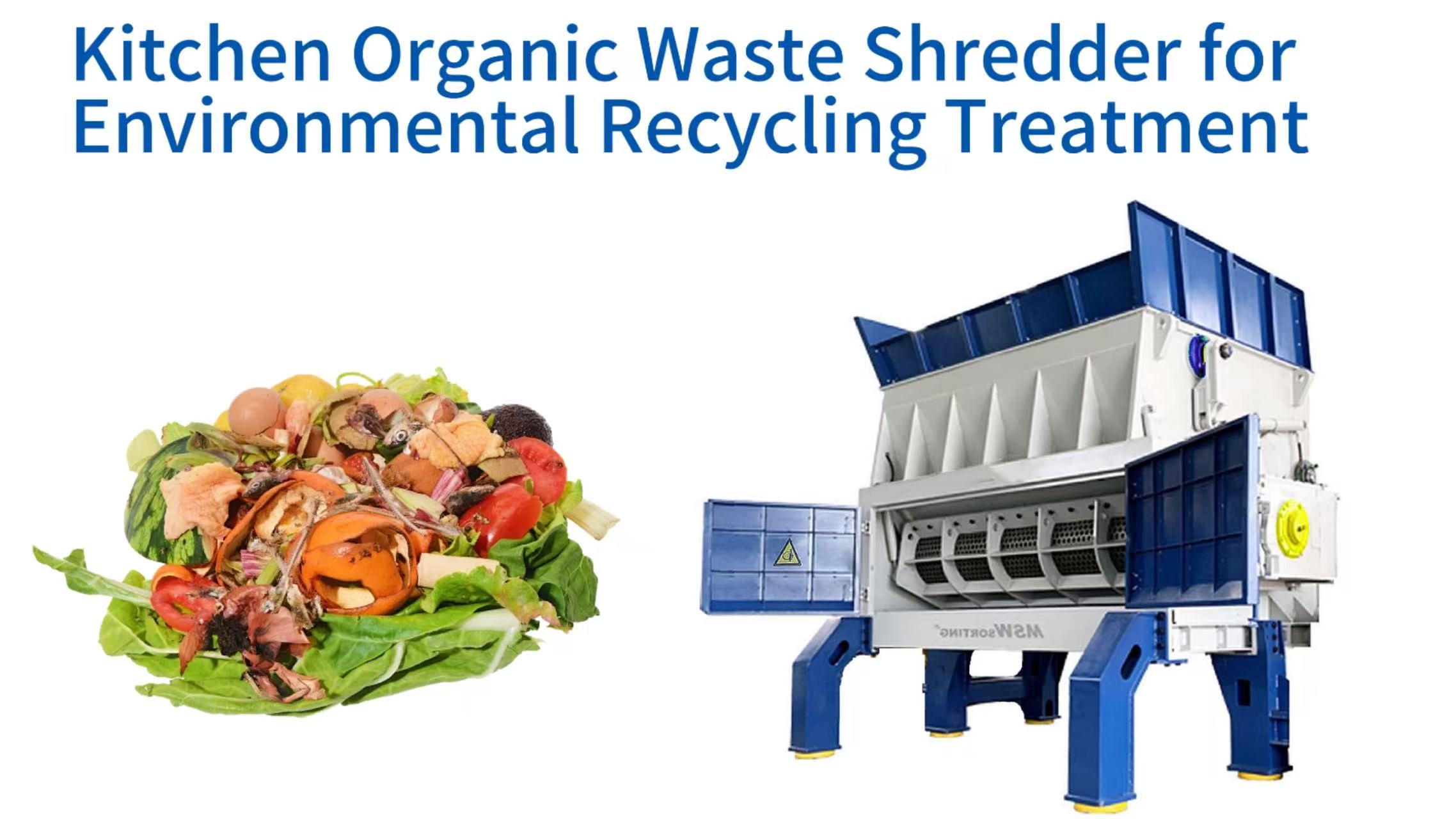
The kitchen organic waste shredder represents a class of industrial machinery engineered specifically for the size reduction of food waste generated in domestic, commercial, and industrial settings. This equipment is fundamental to modern environmental recycling treatment protocols. Unlike standard garbage disposals, these robust systems utilize shear, tear, and crush mechanisms to systematically break down complex organic matter into smaller, homogeneous particles. This process is the critical first step in a comprehensive waste management strategy, transforming problematic waste streams into manageable feedstocks for downstream processes such as anaerobic digestion, composting, and biofuel production. By integrating a kitchen organic waste shredder into a waste handling system, facilities can achieve significant volume reduction, enhance material handling efficiency, and unlock the potential for resource recovery, thereby diverting organic material from landfills and mitigating environmental pollution.
The Current State of Kitchen Organic Waste Management and the Necessity of Environmental Recycling
Key Challenges in Kitchen Organic Waste Handling
The global generation of kitchen organic waste continues its upward trajectory, driven by population growth, urbanization, and expanding food service industries. This surge in waste volume places immense pressure on existing municipal waste management infrastructures. Concurrently, environmental regulations worldwide are becoming increasingly stringent, mandating the diversion of organic materials from landfills due to their contribution to methane emissions, a potent greenhouse gas. Traditional disposal pathways, including landfilling and uncontrolled dumping, are no longer tenable solutions. These methods are associated with significant environmental liabilities, including the generation of leachate, the propagation of odors, and the attraction of pests, necessitating a paradigm shift toward more sustainable and technologically advanced treatment methodologies. Companies like MSW Technology, with fifteen years of experience in the field, have been at the forefront of developing solutions to address these pressing environmental challenges through advanced shredding solutions.
Primary Sources and Intrinsic Handling Difficulties of Kitchen Organic Waste
Kitchen organic waste originates from diverse sources, each presenting unique handling challenges. Residential households contribute a mixture of fruit and vegetable trimmings, leftover cooked food, coffee grounds, and soiled paper products. Commercial entities such as restaurants, hotel kitchens, and institutional cafeterias generate larger volumes of pre- and post-consumer food waste, often characterized by higher grease and oil content. Food processing facilities, meanwhile, produce waste streams laden with specific byproducts like peels, pulp, husks, and bones. The unifying characteristics of this waste category are its high moisture content, typically ranging from seventy to eighty percent, its organic and biodegradable nature, and its heterogeneous composition. These properties make it prone to rapid putrefaction, creating foul odors and attracting vermin during storage and transportation.
Conventional handling methods for kitchen waste are fraught with logistical and environmental problems. The high moisture content adds significant weight, inflating transportation costs and increasing the carbon footprint associated with haulage. During collection and transit, these wastes easily decompose, releasing noxious liquids known as leachate, which can contaminate soil and water systems if not properly contained. At transfer stations or disposal sites, the putrescible nature of the material creates an unsanitary environment, fosters the breeding of flies and rodents, and generates offensive smells that impact surrounding communities. The sheer volume and weight of uncompacted organic waste also consume valuable space in collection vehicles and at disposal facilities, underscoring the urgent need for effective on-site or near-source reduction strategies.
Regulatory Frameworks Governing Organic Waste Diversion and Treatment
Governments and international bodies have implemented a range of policies to address the environmental challenges posed by organic waste. Many jurisdictions have enacted landfill bans specifically targeting organic materials, prohibiting their disposal in landfills to curb methane emissions and promote resource recovery. Legislation often mandates the separate collection of kitchen waste from general refuse, requiring municipalities, businesses, and residents to segregate organics at the point of generation. Furthermore, stringent standards govern the operation of composting and anaerobic digestion facilities, regulating parameters such as process temperature, pathogen reduction, and final product quality to ensure that the recovered materials are safe for use as soil amendments or energy sources. The design of equipment such as the solid waste primary shredder must take these downstream requirements into account.
Failure to comply with these evolving regulatory mandates carries substantial consequences. Businesses and institutions may face significant financial penalties and fines for non-compliant disposal practices. Beyond direct monetary sanctions, non-compliance can result in reputational damage, supply chain disruptions, and the revocation of operating permits. For waste management facilities, the inability to effectively process source-separated organics can lead to operational bottlenecks and the rejection of waste streams. Investing in professional kitchen organic waste shredding equipment provides a clear pathway to regulatory compliance, enabling entities to meet diversion targets, adhere to treatment standards, and mitigate the environmental risks associated with improper waste handling.
Inadequacies of Conventional Kitchen Waste Treatment Approaches
Traditional methods for managing kitchen waste are increasingly inadequate in the face of growing volumes and stricter environmental standards. Manual sorting and handling of mixed waste is labor-intensive, slow, and exposes workers to unsanitary conditions and potential pathogens. Simple mechanical processes like basic crushing, often performed by non-specialized equipment, fail to achieve the necessary particle size reduction or homogenization required for efficient downstream processing. Such rudimentary methods are prone to clogging, especially with fibrous or hard materials, and struggle to handle the high moisture and sticky consistency of food waste, leading to frequent breakdowns and operational downtime. The practice of open storage or landfilling, besides its severe environmental drawbacks, represents a complete loss of valuable resources and a missed opportunity for energy and nutrient recovery.
The economic inefficiencies of traditional approaches are equally compelling. High labor costs associated with manual waste handling place a continuous financial burden on operations. The increased weight and volume of unprocessed waste translate directly into higher transportation fees, as more frequent trips are required to haul the same mass of material away from the point of generation. At the disposal end, landfill tipping fees, which are often calculated per ton, represent a significant and recurring operational expense. Furthermore, the environmental and health liabilities linked to traditional methods, such as the potential for groundwater contamination from leachate or the costs of odor control and pest management, add hidden but substantial financial risks to any operation relying on outdated waste treatment paradigms.
The Transformative Role of the Kitchen Organic Waste Shredder in Environmental Treatment
The integration of a specialized kitchen organic waste shredder marks a fundamental shift in how organic waste is managed and perceived. This technology enables the transition from a linear disposal model to a circular resource management system. By performing initial size reduction and homogenization at the source or at a centralized facility, the shredder converts a problematic, heterogeneous waste stream into a consistent, pumpable, and processable slurry. This prepared material is ideally suited for subsequent treatment technologies, such as anaerobic digesters that convert organic matter into biogas for energy, or in-vessel composting systems that produce nutrient-rich soil conditioners. The shredder acts as the essential gateway, unlocking the resource value embedded within kitchen waste.
This equipment fundamentally redefines the waste handling workflow by addressing the core challenges of volume, hygiene, and logistics. Through efficient shredding, the volume of kitchen waste is drastically reduced, often by a ratio of six to one or more, immediately lowering storage requirements and transportation frequency. The enclosed nature of modern shredding systems contains odors and prevents the release of liquids, improving sanitation and worker safety at the processing site. By breaking down cell structures and homogenizing the material, the shredder makes the organic fraction more accessible to microorganisms in subsequent treatment phases, thereby accelerating biological processes and increasing the yield of valuable end products like biogas and compost. This technological intervention is not merely an incremental improvement but a transformative step enabling truly sustainable organic waste management. MSW Technology has dedicated fifteen years to refining these processes and understanding the nuances of different material streams, including those handled by specialized units like the plastic film shredder which shares similar challenges with certain packaging contaminants found in kitchen waste.
Defining the Kitchen Organic Waste Shredder and Its Core Operational Principles
A kitchen organic waste shredder is a purpose-built industrial machine designed for the robust and reliable size reduction of putrescible, high-moisture waste streams. Its design and operational philosophy are distinct from equipment intended for dry materials like paper or brittle plastics. The machine must contend with the inherent challenges of food waste: stickiness, abrasiveness from small bones or grit, high liquid content, and a heterogeneous mix of soft and fibrous components. The fundamental operating principle revolves around applying mechanical force through a combination of shearing, tearing, and crushing actions to cleave the material into smaller fragments. This is achieved within a robust cutting chamber engineered to resist corrosion and facilitate the smooth flow of wet, sticky materials.
Core Principle of Shearing and Tearing Size Reduction
The primary mechanism for size reduction in a kitchen organic waste shredder is the interaction between stationary and rotating cutting elements. These elements, commonly referred to as blades or cutters, are arranged on one or more rotating shafts. As the shafts turn, the rotating blades pass in close proximity to fixed counter-blades or hooks mounted on the chamber wall. This scissors-like action generates powerful shear forces that slice, tear, and rip the incoming waste. This mechanism is particularly effective for the diverse materials found in kitchen waste, easily cutting through soft fruit and vegetable matter, fibrous stalks, and even relatively hard items like small bones and fruit pits. The specific geometry and arrangement of the blades are critical, designed to continuously grip and pull the material into the cutting zone for consistent processing. These cutting assemblies share design philosophies with those found in granulator blades, though optimized for wet and sticky feedstocks.
The resulting output from this shear-based process is a material of a more uniform and reduced particle size. The consistency achieved is crucial for all downstream handling and treatment steps. A homogeneous particle size distribution ensures predictable behavior in pumps and conveyors, prevents blockages in pipes and reactors, and maximizes the surface area available for microbial action in biological treatment systems. For instance, anaerobic digestion efficiency is directly correlated to particle size; smaller, more uniform particles are digested faster and more completely, leading to higher biogas yields. The ability of the shredder to consistently produce this specification material is its core value proposition, transforming raw waste into a viable feedstock for resource recovery.
Anti-Stick and Anti-Clogging Design Features for Continuous Operation
One of the most significant engineering challenges in processing kitchen waste is its inherent tendency to adhere to surfaces and form clogs. The combination of high moisture, fats, oils, and fibrous content can quickly lead to material buildup within a standard machine, leading to jams and operational failure. Kitchen organic waste shredders overcome this through specialized design features. The cutting chamber interior is typically fabricated with smooth, polished surfaces and generous radii to eliminate crevices where material can accumulate. The rotors and blade assemblies are designed to be self-cleaning to a large degree, with the intermeshing action of the cutters preventing material from wrapping around shafts and creating plugs. The robustness of the shredder shaft is paramount in these applications to withstand the continuous stress.
Further enhancements include the integration of forced feeding mechanisms and hydraulic drive systems. In some configurations, a hydraulic ram pushes material positively into the cutting zone, ensuring consistent throughput and preventing the bridging of waste over the rotor. The use of powerful, high-torque hydraulic drives allows the machine to momentarily reverse the direction of the shafts. This automatic reversing function, triggered by a load sensor, clears any temporary congestion and reorients the material for more effective cutting, thereby maintaining continuous, uninterrupted operation. This sophisticated approach to handling sticky, problematic materials is what differentiates a dedicated kitchen organic waste shredder from conventional size reduction equipment, ensuring reliable performance in demanding environments.
Drive Systems and Low-Speed, High-Torque Power Transmission
Effective shredding of kitchen waste demands a specific power profile. The material is not brittle; it is tough, fibrous, and often contains hard inclusions. Applying high-speed impact forces, as used in a hammer mill, would be ineffective, potentially flinging the wet material around without adequately breaking it down and leading to rapid wear and energy inefficiency. The optimal solution is a low-speed, high-torque drive system. This is typically achieved through an electric motor coupled with a heavy-duty gearbox. The gearbox reduces the output speed from the motor to a much lower shaft speed, often in the range of twenty to sixty revolutions per minute, while simultaneously multiplying the torque, or rotational force, available at the shredder shafts. This principle is similarly applied in heavy-duty applications like a tire shredder, where immense force is required to break down resilient materials.
This high-torque, low-speed rotation provides several critical advantages. It allows the cutting blades to bite into and tear apart materials with high tenacity, such as the fibrous skins of melons or the connective tissue in meat, without stalling. The slow rotation minimizes the generation of heat and dust, which is beneficial when processing organic materials that could degrade or become sticky when heated. It also contributes to the machine's anti-clogging characteristics, as the slow, powerful movement of the shafts helps to pull material through the cutting chamber rather than allowing it to build up. This robust power transmission is the muscle behind the shredder, providing the immense force needed to efficiently process the varied and challenging composition of kitchen organic waste.
Intelligent Control Systems and Operational Safety Protocols
Modern kitchen organic waste shredders are equipped with sophisticated control systems that govern operation, enhance safety, and optimize performance. The heart of this system is a programmable logic controller (PLC), which monitors various machine parameters in real time through a network of sensors. These sensors track motor amperage, shaft speed, bearing temperature, and hydraulic pressure (if applicable). The PLC uses this data to automatically manage the shredding process. For instance, if the load on the motors exceeds a preset threshold, indicating a potential jam, the controller can initiate a reversing sequence, momentarily running the shafts backward to clear the obstruction before resuming forward operation. This intelligent load management prevents mechanical overloads, protects the drivetrain from damage, and maximizes continuous throughput. The control panel PLC HMI is the central nervous system of this operation.
Beyond process control, the PLC interface provides comprehensive safety and diagnostic functions. An intuitive human-machine interface (HMI), typically a touchscreen panel, allows operators to start and stop the machine, monitor its status, and adjust operating parameters like cycle times. The system incorporates multiple safety interlocks, such as emergency stop buttons and safety switches on access doors, which immediately halt all motion if a breach is detected, protecting personnel. The control system also logs operational data, including run times, fault codes, and maintenance intervals, providing valuable information for preventative maintenance planning and performance analysis. This automation reduces the need for constant operator supervision, lowers the risk of human error, and ensures the shredder operates safely, reliably, and efficiently within an integrated waste treatment line.
Primary Classifications of Kitchen Organic Waste Shredders and Their Recycling Applications
| Shredder Type | Throughput Range | Installation Type | Key Application |
|---|---|---|---|
| Stationary Double Shaft | 5-50+ tons/hour | Centralized Facility | Large-scale waste processing |
| Mobile | 1-10 tons/hour | Decentralized/On-site | Temporary projects/multi-site |
| Fully Automated Integrated | 10-100+ tons/hour | Industrial Plant | Continuous flow processing |
| Compact Commercial | 0.1-1 ton/hour | Kitchen/Back-of-house | Restaurant/hotel on-site reduction |
The diverse landscape of kitchen organic waste generators, from small cafés to large centralized processing facilities, necessitates a range of shredder designs. No single machine type is optimal for all scenarios. Manufacturers have therefore developed several distinct classifications of shredders, each tailored to specific throughput requirements, spatial constraints, and integration needs. These range from compact units designed for under-counter installation in commercial kitchens to massive, industrial-scale systems capable of processing tons of material per hour at central recycling plants. The selection of the appropriate machine type is a critical decision that directly impacts the efficiency and economic viability of the entire organic waste treatment operation.
Stationary Kitchen Organic Waste Shredders for Centralized Processing
Stationary shredders represent the backbone of large-scale, centralized organic waste treatment facilities. These machines are designed for permanent installation on a concrete foundation and are characterized by their substantial weight, powerful drive systems, and high processing capacities. A typical stationary unit for this application might be configured as a solid waste double shaft shredder, providing the robustness and throughput needed for continuous operation. They are engineered to operate around the clock, processing incoming waste from multiple collection routes. Their robust construction allows them to handle not only pure kitchen waste but also the contaminants often found in commercial collections, such as plastic packaging film, cutlery, or small pieces of metal, without suffering damage. The high power and torque available ensure that even the toughest components, like large animal bones or dense fruit pits, are effectively reduced.
The integration capabilities of stationary shredders are a key feature in centralized recycling applications. These machines are typically designed to be incorporated into a fully automated processing line. They can be fed by conveyors from a receiving hopper and, in turn, discharge the shredded material directly into downstream equipment. Common integrations include feeding into screw conveyors that transport the homogenized waste to anaerobic digesters, or into dewatering presses that separate liquids from solids to create a biomass suitable for composting or RDF production. The ability to seamlessly connect with other process equipment, such as magnetic separators for removing metal contaminants, allows for the creation of highly efficient, continuous-flow treatment systems that maximize resource recovery and minimize manual handling.
Mobile Kitchen Organic Waste Shredders for Decentralized and Flexible Operations
Mobile shredders offer a flexible alternative to stationary installations, particularly suited for decentralized waste management models, temporary projects, or multiple-site operations. These units are mounted on a sturdy chassis, either with wheels for towing or on tracks for self-propelled movement, allowing them to be relocated as needed. A mobile solid waste shredder of this type can be deployed to a seasonal food processing facility, a large public event generating significant food waste, or a community collection point, performing size reduction directly at the waste source. This on-site capability eliminates the need for long-distance transport of raw, untreated waste, significantly reducing logistical costs and the associated carbon emissions. The mobility also allows a single machine to serve multiple locations, optimizing capital investment.
The operational advantages of mobile units extend beyond mere transportability. They are typically designed for rapid setup and teardown, often arriving on site and being ready to process material within minutes. Many mobile shredders are equipped with their own power source, such as an integrated diesel engine, making them independent of external electrical supplies and suitable for remote locations. Despite their mobility, these machines do not compromise on shredding performance. They are built with the same heavy-duty components as stationary models, including robust cutting chambers and high-torque drives, ensuring they can effectively process challenging kitchen waste streams. Their design often includes integrated conveyors for feeding and discharge, creating a self-contained processing unit that can operate independently of fixed infrastructure.
Fully Integrated Automatic Shredding Systems for High-Efficiency Facilities
At the pinnacle of automation in organic waste treatment are fully integrated shredding systems. These are not standalone machines but comprehensive processing lines where the shredder is a core component within a network of interconnected equipment. The entire system is orchestrated by a central control unit, managing the flow of material from reception through to the final output. In such a system, waste is emptied into a large receiving hopper equipped with walking floors or augers that meter the material onto an inclined feed conveyor. This conveyor delivers the waste at a controlled rate into the shredder, often a solid waste four shaft shredder for ultimate control over particle size. After shredding, the material is discharged onto another conveyor for transport to the next stage, such as a magnetic separator, a screening drum, or a densification unit.
The level of control and data integration in these automated systems is profound. Sensors throughout the line monitor material flow, equipment status, and production rates. The central PLC can automatically adjust feed rates to optimize shredder load, sequence the startup and shutdown of the entire line, and generate detailed reports on throughput and operational efficiency. This high degree of automation minimizes labor requirements, reduces the potential for human error, and ensures consistent, high-quality output. For large-scale organic waste recycling facilities, such integrated systems are essential for achieving the economies of scale and operational reliability required to process thousands of tons of waste annually in a profitable and environmentally responsible manner.
Compact Commercial and Institutional Shredders for On-Site Source Reduction
For smaller-scale generators like individual restaurants, hotels, supermarkets, and institutional cafeterias, compact shredders provide an effective solution for on-site waste reduction. These units are designed to fit into limited spaces, often in a kitchen or back-of-house area, and are sized to handle the daily waste output of a single facility. While smaller in stature than their industrial counterparts, these shredders are purpose-built for the rigors of commercial kitchen waste. They feature corrosion-resistant construction, often in stainless steel, and powerful motors capable of grinding food scraps, including small bones and fibrous materials, into a slurry that can be safely discharged into the sanitary sewer system or collected for off-site recycling. Their design prioritizes ease of use, cleaning, and maintenance, with features like quick-release cutting chambers and simple control interfaces.
The primary value proposition of these compact units lies in source reduction and improved sanitation. By processing food waste immediately upon generation, businesses can drastically reduce the volume of material requiring storage and disposal. This eliminates the need for large, odor-producing dumpsters and reduces the frequency of waste collection, leading to significant cost savings on hauling fees. The immediate processing also removes the organic material that attracts pests and creates unsanitary conditions in and around the facility. For businesses committed to sustainability, these on-site shredders are often the first step in a broader strategy to track, reduce, and ultimately recycle their organic waste footprint, potentially partnering with local composting or digestion facilities that accept the pre-processed slurry.
Core Functions of the Kitchen Organic Waste Shredder in Environmental Recycling
Core Functional Value of Kitchen Waste Shredders
The kitchen organic waste shredder serves multiple critical functions within an environmental recycling system, all centered on the three pillars of sustainable waste management: reduction, sanitization, and resource recovery. Its primary role is to transform raw, heterogeneous kitchen waste into a consistent and manageable form. This transformation is not an end in itself but a necessary precursor to efficient and effective downstream processing. The machine's capabilities directly address the physical and logistical challenges posed by organic waste, paving the way for its conversion from an environmental liability into a valuable asset. Each core function contributes uniquely to the overall goal of closing the loop on organic materials.
High-Efficiency Volume Reduction and Weight Minimization
The most immediate and visually dramatic function of a kitchen organic waste shredder is the significant reduction in the volume of the waste material. Through the mechanical action of the cutters, bulky items like whole watermelons, large heads of lettuce, and stacks of food containers are broken down into small, irregular fragments. This process can achieve volume reductions of up to eighty percent, depending on the initial material composition and the final particle size desired. This dramatic compaction has an immediate and powerful effect on logistics. Storage space requirements for waste awaiting collection or further processing are drastically reduced, freeing up valuable floor area in kitchens and waste handling facilities. For example, what once filled multiple large bins can often be contained within a single, smaller container after shredding.
This volume reduction translates directly into lower transportation costs and a reduced environmental footprint. Waste collection vehicles can carry significantly more payloads when the material has been pre-shredded and compacted, as the space in the truck is utilized far more efficiently. This means fewer truck journeys are required to transport the same mass of waste, leading to lower fuel consumption, reduced vehicle emissions, and less traffic congestion. Furthermore, the weight of the material is often reduced as the shredding process can liberate and drain free liquids, although the primary weight reduction comes from the increased density achieved by packing the solid fragments more closely together. This combination of volume and effective density management makes the shredder an indispensable tool for any operation seeking to minimize the costs and environmental impact of waste logistics.
Homogenization for Enhanced Downstream Processing
Beyond simple size reduction, the kitchen organic waste shredder performs a crucial homogenization function. Raw kitchen waste is inherently a mixture of materials with vastly different physical properties: hard bones, soft fruit, stringy fibers, and viscous liquids. This heterogeneity poses a major challenge for downstream processing equipment. Pumps can be clogged by fibrous material, anaerobic digesters can suffer from stratification and poor mixing, and composting processes can become uneven, with some materials breaking down faster than others. The shredder addresses this by mechanically blending the waste stream, breaking down the physical structure of each component to create a more uniform mixture. The output is a consistent slurry or paste where the various original components are no longer distinguishable as discrete items.
This homogenized output is fundamentally easier to handle and process. Its uniform consistency allows it to be reliably pumped and conveyed through pipes and hoses, enabling continuous feeding of digesters or other reactors. In biological treatment processes, homogenization dramatically increases the surface area available for microbial attack. Microorganisms can colonize the material far more effectively, accelerating the rate of biodegradation. For anaerobic digestion, this leads to higher biogas production rates and greater overall conversion of organic matter to methane. For composting, it ensures a more uniform breakdown and a higher quality, more consistent end product. The shredder's role in creating this uniform feedstock is therefore not merely preparatory but is central to maximizing the efficiency and output of the entire resource recovery process.
Odor Control and Sanitary Processing for Improved Hygiene
The decomposition of kitchen organic waste is accompanied by the release of malodorous compounds, including volatile fatty acids, amines, and sulfur-containing gases. These odors are not only a nuisance but can also indicate unsanitary conditions and attract pests. A well-designed kitchen organic waste shredder contributes significantly to odor control and overall system hygiene. The enclosed nature of the cutting chamber and material handling path contains the odorous gases, preventing them from escaping into the surrounding work environment. Many systems are also designed to integrate with deodorization equipment, such as biofilters or chemical scrubbers, which treat the exhaust air extracted from the shredder and downstream process stages. This containment and treatment of air is critical for maintaining acceptable working conditions and good relations with neighboring communities.
Furthermore, the rapid processing of waste by the shredder minimizes the time available for decomposition to begin. By immediately breaking down the material and potentially mixing it with water or recycling process water, the onset of putrefaction can be delayed. Some advanced systems incorporate washing or flushing mechanisms that help to remove sugars and other readily degradable compounds, further reducing the potential for odor generation during subsequent storage or transport. The use of materials like stainless steel in the construction of the shredder and associated piping facilitates thorough cleaning and sanitation, preventing the buildup of biofilm and residual organic matter that could itself become a source of odor and contamination. This focus on sanitary design ensures that the shredder contributes positively to the overall cleanliness and environmental performance of the facility.
Overload Protection and Uninterrupted Continuous Operation
Industrial waste processing demands machinery that can operate reliably for extended periods, often twenty-four hours a day. The heterogeneous nature of kitchen waste, with its potential for containing unexpected hard or fibrous objects, presents a constant risk of jamming or overloading the drive system. Kitchen organic waste shredders are engineered with robust overload protection systems to ensure uninterrupted operation and prevent costly downtime. The most common and effective of these is the automatic reversing function. Integrated sensors, typically monitoring motor amperage or hydraulic pressure, constantly track the load on the shredder. If a spike in load is detected, indicating the rotor is struggling with a particularly tough piece of material or a buildup, the control system immediately stops the forward rotation and reverses the shafts for a short, pre-set duration.
This reversal action serves to clear the obstruction and reorient the material within the cutting chamber, presenting it to the blades from a different angle. After the brief reverse cycle, the system automatically reverts to forward rotation. This entire sequence can occur in a matter of seconds, often without any interruption to the material feed. For more persistent jams, the system may perform multiple reversal cycles or issue an alert to operators. This intelligent, automated response to overload conditions protects the mechanical components—the gearbox, shafts, and cutters—from damaging shock loads and extreme stress. It eliminates the need for manual intervention to clear jams, which is not only time-consuming but can also be hazardous. The result is a machine capable of the sustained, high-throughput operation essential for economic viability in commercial and industrial recycling applications.
Material Compatibility: Types of Kitchen Organic Waste Processed
A fundamental requirement for any effective kitchen organic waste shredder is the ability to process the wide spectrum of materials that constitute this waste stream. The machine must be versatile enough to handle everything from soft, high-moisture fruit pulp to hard, dense animal bones, and from dry, fibrous stalks to sticky, greasy residues. The design of the cutting chamber, the configuration of the blades, and the power of the drive system all contribute to this material versatility. This broad compatibility is essential because source-separated organic waste is rarely pure; it is almost always a complex mixture. A shredder that can reliably process this full range of materials without clogging, stalling, or suffering excessive wear is a prerequisite for a successful recycling operation.
Processing of Fruit and Vegetable Waste
Fruit and vegetable waste forms a major component of kitchen organic waste streams. This category encompasses a vast array of materials with diverse physical properties, from soft, overripe tomatoes and leafy greens to hard, dense items like potato peels, carrot tops, and the fibrous husks of corn or coconuts. An effective shredder must be able to grip and tear through these different materials without difficulty. The shearing action of the blades is particularly effective here, slicing through soft tissues while simultaneously tearing tougher, fibrous structures. The key challenge is to ensure that soft, pulpy materials do not simply smear or pass through the machine without being effectively cut, and that fibrous materials do not wrap around the rotating shafts, leading to tangling and eventual jamming. The blade geometry and shaft speed are optimized to create a cutting action that both slices and tears, ensuring all particles are reduced to a consistent size.
The high moisture content of fruit and vegetable waste also presents a specific design consideration. The shredded product often takes the form of a wet pomace or slurry. The shredder's discharge system must be designed to handle this flowable material effectively, directing it into collection bins, screw conveyors, or piping without leakage or blockage. The high water content is actually beneficial for downstream biological processes, as it provides the necessary moisture for microbial activity in digesters or compost piles. By effectively breaking down the cellular structure of the plant material, the shredder releases this inherent moisture and makes the organic matter more accessible, thereby accelerating the subsequent biological conversion steps and improving the overall efficiency of the resource recovery process.
Processing of Cooked Food, Grains, and Starches
Cooked food waste, including leftover rice, pasta, bread, and prepared dishes, presents a unique challenge due to its sticky and cohesive nature. These starchy materials can quickly form a paste or dough-like consistency when subjected to mechanical action, which can easily clog conventional size reduction equipment. Kitchen organic waste shredders are specifically designed to combat this issue. The self-cleaning action of the intermeshing cutters is crucial, preventing the buildup of sticky material on the rotor and in the chamber. The low-speed, high-torque operation also helps; instead of smearing the material, the blades cut and tear it, creating discrete particles rather than a continuous paste. The use of scraper blades or specially profiled cutters can further enhance the machine's ability to handle these adhesive materials, ensuring that the cutting zone remains clear and operational.
The effective processing of cooked food and starches is vital for maximizing the yield from organic waste recycling. These materials are rich in calories and easily digestible by microorganisms, making them excellent feedstocks for anaerobic digestion, where they contribute significantly to biogas production. However, if they are not properly shredded, they can form a viscous layer on the surface of the digester, hindering gas release and causing process instability. Proper shredding ensures that these starchy materials are rapidly and uniformly dispersed throughout the digester contents, allowing for complete and efficient conversion. By overcoming the handling difficulties associated with these materials, the shredder ensures that their full energy potential can be realized in the subsequent treatment process.
Processing of Meat, Bones, and Shellfish
Animal byproducts, including meat trimmings, soft tissue, and small to medium-sized bones from poultry, fish, and livestock, are a regular component of many kitchen waste streams. These materials are among the toughest that a kitchen waste shredder will encounter. Bones, in particular, are dense and brittle, requiring significant force to fracture. The high-torque design of the shredder is essential for this task. The immense rotational force generated by the gearbox allows the cutting blades to bite into and crush bones, rather than simply bouncing off or stalling the machine. The blades themselves must be manufactured from extremely hard, wear-resistant materials, such as alloy steels, to withstand the abrasion and impact stresses involved in bone reduction. The design must also account for the presence of hard, dense items like shellfish shells, which can cause rapid wear on poorly designed or soft cutting edges.
The successful size reduction of animal byproducts is critical for both process hygiene and material recovery. Large pieces of meat and bone can be problematic in biological treatment systems, decomposing slowly and potentially creating localized anaerobic zones or odors. Shredding them to a smaller, uniform size accelerates their breakdown and integration into the digestion or composting process. The homogenized mixture of soft tissue and bone particles also contributes to a more balanced feedstock, providing both readily available carbon and nitrogen sources for microorganisms. In some advanced systems, the shredded material may undergo further processing, such as thermal hydrolysis, to enhance its digestibility. The shredder's ability to safely and effectively process this challenging component of kitchen waste is a testament to its robust design and a key factor in its overall utility.
Processing of Mixed Waste with Fats, Oils, and Grease Content
Fats, oils, and grease (FOG) are ubiquitous in kitchen waste, particularly from commercial food service operations. These substances are problematic because they are liquid at warm temperatures but solidify as they cool, leading to blockages in pipes and equipment. A kitchen organic waste shredder must be designed to handle these materials without becoming gummed up or allowing them to accumulate in hard-to-clean areas. The use of heated shredder chambers or the recirculation of warm water through the system is one common strategy to keep fats and oils in a liquid state during processing, allowing them to flow freely through the machine and into the discharge stream. The cutting action itself can also help to emulsify the fats to some extent, mixing them with the aqueous phase of the waste to form a more manageable slurry.
The presence of FOG in the shredded output is not necessarily a problem for downstream treatment; in fact, fats and oils have a very high methane potential and are a valuable substrate for anaerobic digestion. The key is to ensure they are well-integrated into the overall waste stream and do not separate out to form a floating layer in the digester. Proper shredding and mixing create a stable emulsion or suspension of fats within the liquid and solid matrix, facilitating their digestion. However, the corrosive nature of some fatty acids and the potential for salt accumulation from food waste also necessitate the use of corrosion-resistant materials in the construction of the shredder and associated piping. Stainless steel components are often employed in wetted areas to ensure long-term durability and prevent degradation from the chemically aggressive environment created by mixed kitchen waste containing FOG.
Core Structural Components and Key Technologies in Kitchen Organic Waste Shredders
Cutting Blade Systems
High-alloy tool steel construction
20-60 RPM optimal shaft speed
Intermeshing self-cleaning design
Replaceable/indexable cutting edges
Anti-Stick Chamber Design
Polished stainless steel surfaces
Radius-cornered internal geometry
Hydraulic pusher feeding system
Continuous material flow path
Sealing & Environmental Control
Multi-lip rotary shaft seals
Negative pressure odor containment
Corrosion-resistant materials
Vibration isolation mounting
Intelligent Control Systems
PLC-based real-time monitoring
Automatic jam reversal function
HMI touchscreen interface
Operational data logging
The reliability and performance of a kitchen organic waste shredder are a direct result of its engineering and the quality of its core components. These machines are the result of decades of development in materials science, mechanical design, and control systems, all focused on the singular goal of efficiently and reliably breaking down one of the most challenging waste streams known. From the cutting teeth that directly engage the material to the control panel that orchestrates the entire operation, each component is selected and designed for a specific purpose. Understanding these core technologies provides insight into why these machines are so effective and how they achieve the remarkable results they do.
Cutting Blade Systems: Design, Material, and Wear Resistance
The cutting blades are the heart of any shredder, the components that perform the actual work of size reduction. In a kitchen organic waste shredder, these blades are typically made from high-alloy tool steels, specially hardened to resist the abrasive and impact wear caused by bones, grit, and other hard contaminants. The blade design is far from simple; it is a complex geometry optimized for gripping, tearing, and shearing. Common designs include hook-shaped blades that actively pull material into the cutting zone, and blades with multiple cutting edges that can be indexed or rotated as they wear, extending their operational life. The blades are mounted on the shafts with precision spacing, creating the intermeshing pattern that is essential for the self-cleaning and cutting action. The thickness and profile of the blades determine the characteristic particle size produced by the machine.
The arrangement of the blades on the shaft, often referred to as the knife configuration, is tailored to the specific application. A configuration with more, thinner blades might be chosen for a finer output, while fewer, thicker blades would be used for a coarser product or when processing materials with very high toughness. The blades are subjected to immense stresses, and their material and heat treatment are critical. Advanced manufacturing processes ensure a tough, impact-resistant core combined with an extremely hard, wear-resistant surface. When blades eventually do wear, they are designed to be replaceable, either individually or as part of a cassette system. The ease of blade replacement is a key factor in the machine's maintainability and overall cost of ownership, directly impacting the downtime required for this essential maintenance task.
Anti-Stick Chamber and Material Flow Technology
Combating the inherent stickiness of kitchen waste is a primary design imperative, and the cutting chamber is engineered from the ground up with this in mind. The interior surfaces of the chamber are fabricated from smoothly polished materials, typically high-grade steel, to provide minimal friction and eliminate any surface irregularities where material could cling and accumulate. The geometry of the chamber is carefully designed to avoid dead zones or pockets where waste could stagnate. All internal corners are generously radiused, and transitions between surfaces are smooth and continuous. This attention to detail ensures that the material is constantly in motion, guided by the rotors and gravity towards the discharge opening without any opportunity for buildup.
Beyond passive measures, some shredders incorporate active material flow technologies. This can include the use of a hydraulically or mechanically driven pusher mechanism that positively forces material into the cutting zone from a hopper above, preventing the waste from bridging and ensuring a consistent feed. At the discharge end, the design must facilitate the smooth exit of the wet, sticky slurry. This often involves a large, unobstructed opening and, in some cases, the integration of a screw conveyor directly into the base of the shredder to actively pull the processed material away. The combination of a smoothly contoured, non-stick chamber and active feeding and discharge mechanisms ensures a continuous, reliable flow of material through the machine, eliminating the stoppages that plague less sophisticated equipment.
Sealing Systems and Environmental Protection Technology
Given the wet, corrosive, and odorous nature of the material being processed, effective sealing is paramount in a kitchen organic waste shredder. The primary challenge is to contain the process within the machine, preventing the leakage of liquids, the escape of odors, and the ingress of moisture into sensitive components like bearings and gearboxes. High-quality rotary shaft seals are used where the shredder shafts pass through the chamber walls. These seals are specifically designed for the application, often featuring multiple sealing lips and being manufactured from materials resistant to oils, acids, and abrasion. They are regularly lubricated to maintain their effectiveness and prolong their life. The bearing housings themselves are often of a heavy-duty, sealed design, further isolating these critical components from the harsh environment.
Beyond basic fluid containment, many modern systems incorporate active environmental control features. The shredder chamber can be connected to a deodorization system that draws air from inside the machine, creating a slight negative pressure that prevents odorous gases from escaping into the work area. Integrated spray nozzles can be used to introduce water or cleaning solutions into the chamber, helping to rinse away residues, control dust (though dust is minimal in wet applications), and dilute odors. The entire machine structure is often mounted on vibration isolators to minimize noise transmission to the building structure. These comprehensive sealing and environmental protection technologies ensure that the shredder can operate in sensitive indoor environments, meeting stringent health, safety, and environmental standards while maintaining a clean and pleasant workspace for personnel.
Intelligent Control and Automation Technologies
The modern kitchen organic waste shredder is a highly intelligent machine, thanks to the integration of advanced control and automation technologies. The central component is a programmable logic controller (PLC) that serves as the brain of the operation. The PLC continuously receives data from a network of sensors placed throughout the machine. These sensors monitor a wide range of parameters: the amperage draw of the main drive motors, the rotational speed of the shafts, the temperature of the gearbox oil, the pressure in the hydraulic system (if applicable), and the position of safety interlocks. This constant stream of data allows the PLC to maintain a detailed, real-time picture of the machine's operational status and performance.
Based on this data, the PLC executes pre-programmed logic to optimize the shredding process. The most critical of these functions is automatic load control and jam reversal, as previously described. However, the capabilities extend far beyond this. The PLC can manage the sequenced startup and shutdown of the entire system, including any feed and discharge conveyors. It can adjust the feed rate by modulating a hydraulic drive or a dosing screw to maintain optimal load conditions. It can log historical data, providing operators and maintenance staff with invaluable insights into throughput, operating hours, and wear patterns. In the event of a fault, the system provides clear diagnostic messages on the HMI touchscreen, pinpointing the issue and often suggesting corrective actions. This level of automation transforms the shredder from a simple piece of machinery into a sophisticated, self-regulating unit that maximizes efficiency, enhances safety, and simplifies operation.
Value and Return on Investment from Kitchen Organic Waste Shredders
Return on Investment Breakdown
* Based on industry averages for commercial food service operations
* Typical payback period: 6-18 months
Investing in a kitchen organic waste shredder is a strategic decision that yields returns across multiple dimensions of an organization's operations. The value proposition extends beyond simple waste disposal to encompass significant economic savings, enhanced environmental performance, and improved operational efficiency. For businesses and municipalities, the shredder is not merely an expense but a capital investment that generates a tangible return, often with a payback period measured in months rather than years. This return is realized through a combination of direct cost reductions, new revenue opportunities, and the mitigation of future risks. The cumulative effect transforms waste management from a perpetual cost center into a potential source of value and competitive advantage.
Environmental Value: Pollution Mitigation and Regulatory Compliance
The most fundamental value provided by a kitchen organic waste shredder is environmental. By enabling the diversion of organic waste from landfills, the shredder directly contributes to the reduction of greenhouse gas emissions, particularly methane, which is twenty-five times more potent than carbon dioxide over a one-hundred-year period. Data from environmental agencies indicates that landfills are a major source of anthropogenic methane, and diverting organics is one of the most effective strategies to combat this. The shredder also prevents the generation of polluting leachate and eliminates the odors and pest problems associated with the open storage or landfilling of putrescible waste. This on-site processing capability represents a significant step towards a more sustainable and circular approach to resource management.
In parallel with its environmental benefits, the shredder provides a clear and direct path to regulatory compliance. As governments worldwide implement stricter mandates for organic waste diversion and treatment, having the right equipment in place is essential. Facilities equipped with shredders are well-positioned to meet source-separation requirements, adhere to landfill bans, and satisfy the feedstock specifications for approved treatment facilities like compost sites or anaerobic digesters. This proactive compliance shields the organization from the financial risks of fines and penalties, which are increasingly common and severe. Furthermore, it demonstrates a commitment to corporate social responsibility and environmental stewardship, which can enhance brand reputation, meet the sustainability goals of corporate clients, and strengthen relationships with regulators and the local community. MSW Technology, with its fifteen-year history, has helped countless clients navigate these complex regulatory landscapes with reliable and compliant shredding solutions.
Economic Value: Reduced Transportation and Labor Costs
The economic returns from a kitchen organic waste shredder are often substantial and immediate. The most direct saving comes from the dramatic reduction in waste volume. By reducing the volume of waste by up to eighty percent, the number of waste collections required can be slashed proportionally. For a large hotel or food processing plant currently paying for daily waste haulage, moving to two or three collections per week represents a saving of sixty to seventy percent on transportation costs. These savings are not just in haulage fees but also in the internal labor and equipment costs associated with moving and storing waste bins. Fewer collections mean less staff time spent managing waste, freeing them up for more productive tasks.
Labor costs associated with manual waste handling are another major area of savings. Manual sorting, feeding of waste into basic equipment, and cleaning up spillages are labor-intensive and unpleasant tasks. An automated shredding system replaces this manual labor with a machine that operates continuously with minimal supervision. One operator can oversee an entire processing line, a significant reduction in headcount compared to traditional methods. Furthermore, the improved hygiene and containment provided by the shredder reduce the time and materials needed for cleaning and pest control. When these ongoing operational savings are calculated over the lifespan of the machine, the total cost of ownership is dramatically lower than that of traditional, labor-intensive disposal methods, providing a compelling return on the initial capital investment.
Resource Value: Enabling Material Recovery and Circular Economy
Perhaps the most forward-looking value offered by the kitchen organic waste shredder is its role in enabling resource recovery. The shredded, homogenized material is not simply "waste" destined for disposal; it is a valuable feedstock for a range of circular economy applications. In an anaerobic digestion facility, this feedstock is converted into biogas, a renewable energy source that can be used to generate electricity, heat, or be upgraded to vehicle fuel. A typical ton of food waste can generate enough electricity to power an average home for several weeks. The digestate remaining after biogas production is a nutrient-rich material that can be further processed into a high-quality organic fertilizer, replacing energy-intensive synthetic alternatives.
In composting operations, the shredded material decomposes rapidly and uniformly to produce a stable, high-value soil amendment. This compost improves soil structure, water retention, and fertility, providing a marketable product for agriculture, horticulture, and landscaping. For some waste streams, the processed organic material can also be used as a component in the production of refuse-derived fuel (RDF) for use in cement kilns or power plants, displacing fossil fuels. By transforming a costly waste disposal problem into a source of renewable energy, valuable soil products, or alternative fuel, the shredder helps to close the loop on organic materials. This shift from a linear "take-make-dispose" model to a circular "reduce-reuse-recycle" model is not only environmentally imperative but can also generate new revenue streams, turning a former cost center into a potential profit center.
Operational Value: Enhanced Throughput and Processing Capacity
The operational efficiencies introduced by a kitchen organic waste shredder translate directly into enhanced throughput and processing capacity. A facility equipped with a shredder can process a much larger volume of waste in a given time period than one relying on manual methods or less efficient equipment. The continuous, automated operation of the shredder means that waste can be processed as it arrives, eliminating bottlenecks and the need for large, temporary storage areas. This is particularly critical for facilities that operate on a tight schedule, such as central kitchens or food processing lines, where waste accumulation can quickly disrupt core production activities.
This enhanced processing capacity enables facilities to scale their operations without a proportional increase in waste management overheads. For a centralized waste processing facility, the throughput of the shredder is a key determinant of the plant's overall capacity and profitability. A higher-capacity shredder allows the plant to accept more waste, generate more revenue from tipping fees, and produce more of the valuable end products. The reliability and consistent performance of the shredder ensure that this throughput can be maintained day after day, providing the operational stability required for a successful business. The machine's role in optimizing the entire waste handling workflow, from intake to discharge, makes it an indispensable asset for any operation seeking to maximize its processing capabilities and overall operational efficiency.
Guidelines for Selecting and Applying a Kitchen Organic Waste Shredder
Choosing the right kitchen organic waste shredder is a critical decision that requires a thorough assessment of the specific application. There is no one-size-fits-all solution; the optimal machine is determined by a careful analysis of the waste stream, the operational context, and the desired outcomes. A well-informed selection process ensures that the chosen equipment will deliver the required performance, reliability, and return on investment for years to come. This process should involve a detailed examination of several key factors, often in consultation with experienced equipment manufacturers like MSW Technology, whose fifteen years in the industry provide a deep well of application knowledge.
Sizing Based on Daily Processing Throughput Requirements
The most fundamental parameter in shredder selection is the required processing capacity, typically measured in tons per hour or tons per day. This must be based on the maximum anticipated waste generation, not just the average, to ensure the system can handle peak loads without becoming a bottleneck. For a small restaurant generating a few hundred kilograms per day, a compact, low-throughput unit is perfectly adequate. A large central kitchen or food processing plant generating five or ten tons per day will require a mid-sized industrial shredder. A municipal waste transfer station or a commercial anaerobic digestion facility receiving fifty tons per day or more will need a large-scale, high-capacity shredding system, potentially involving multiple machines working in parallel.
Accurately determining throughput requirements involves analyzing not just the total daily mass but also the pattern of waste arrival. Does waste arrive continuously throughout the day, or in large batches at specific times? The shredder must be sized to handle the peak batch volume without requiring excessive buffer storage. It is also crucial to consider future growth. Selecting a machine with a little extra capacity than currently needed can be a wise investment, accommodating business expansion or increased waste volumes without the need for a costly equipment upgrade in the near future. Manufacturers provide detailed capacity charts, but these are based on ideal conditions; a conservative approach, factoring in the specific characteristics of the waste, is always recommended to ensure reliable performance.
Matching Machine Design to Waste Composition and Characteristics
The specific composition of the kitchen waste stream has a profound impact on the suitability of different shredder designs. A waste stream composed primarily of soft fruit and vegetable waste may be adequately handled by a standard single-shaft or double-shaft shredder with a general-purpose blade configuration. However, a stream containing a high proportion of bones, shellfish, or fruit pits will require a machine with a more robust, heavy-duty drive train and specially hardened, impact-resistant blades. The presence of large quantities of fibrous material, like corn husks or pineapple tops, necessitates blade designs that prevent wrapping and tangling, such as hook-shaped cutters or the inclusion of spacer elements to disrupt fiber winding.
The level of contamination in the source-separated organics is another critical factor. If the waste stream is likely to contain significant amounts of non-organic materials, such as plastic bags, metal cutlery, or glass bottles, the shredder must be robust enough to handle these contaminants without damage. In such cases, a solid waste double shaft shredder with a very rugged, slow-speed design is often preferred. The machine's ability to handle these tramp materials, either by shredding them or by allowing them to pass through without causing jams, is essential. Additionally, considerations around corrosion resistance become paramount with high-salt or high-acid waste streams, often leading to the specification of stainless steel for wetted components. A detailed waste characterization study, including compositional analysis and moisture content measurement, is an invaluable tool for guiding this aspect of the selection process.
Selection Based on Installation Environment and Operational Context
The physical environment where the shredder will be installed dictates important design and configuration choices. For indoor installation in a commercial kitchen or a food processing facility, space is often at a premium, and noise and odor containment are critical. This favors compact, enclosed machines with high-quality sound insulation and integrated odor control connections. The floor space and headroom available must be carefully measured to ensure the selected unit, along with its feed and discharge systems, can be accommodated. For outdoor installations at a transfer station or processing facility, weather protection becomes a factor, and mobile units on a concrete pad may be preferred for flexibility.
The operational context also includes the level of integration with existing or planned equipment. Will the shredder be a standalone unit, discharging into bins for manual removal? Or will it be part of a fully automated line, feeding directly into a screw conveyor that transports the material to a dewatering press or a digestion tank? The interface points—the height and orientation of the feed hopper, the type and position of the discharge outlet—must be compatible with the upstream and downstream equipment. The availability of utilities, particularly electrical power, is another fundamental constraint. High-power industrial shredders require three-phase power supplies with sufficient amperage capacity, and the location of the electrical panel relative to the machine will influence installation costs. A thorough site survey is an essential prerequisite to finalizing the equipment selection.
Evaluating Equipment Quality, Durability, and After-Sales Support
Investing in a kitchen organic waste shredder is a long-term commitment, and the quality and durability of the equipment are paramount. The buyer should scrutinize the key components that determine the machine's lifespan and reliability. What is the origin and specification of the main drive motor? Is the gearbox from a reputable manufacturer, and is it sized with an appropriate service factor for the application? What type of steel is used for the cutting blades, and what is their hardness rating? Is the main chassis and cutting chamber constructed from heavy-gauge, corrosion-resistant materials? Machines built with premium components from the outset will inevitably have a higher initial cost but will deliver lower maintenance costs and longer operational life, resulting in a lower total cost of ownership.
Equally important as the physical machine is the quality of support provided by the manufacturer or supplier. A comprehensive warranty is the first line of defense, providing peace of mind against manufacturing defects. The availability of spare parts, particularly wear items like blades and screens, is critical; suppliers with local stock can minimize downtime when replacements are needed. Does the supplier offer installation and commissioning services? Can they provide operator training to ensure the machine is used correctly and safely? Is technical support readily available by phone or on-site? A supplier with a proven track record and a strong commitment to after-sales service, like MSW Technology with its fifteen years of industry experience, is an invaluable partner, ensuring that the investment in the shredder delivers reliable performance and maximum return over its entire working life.