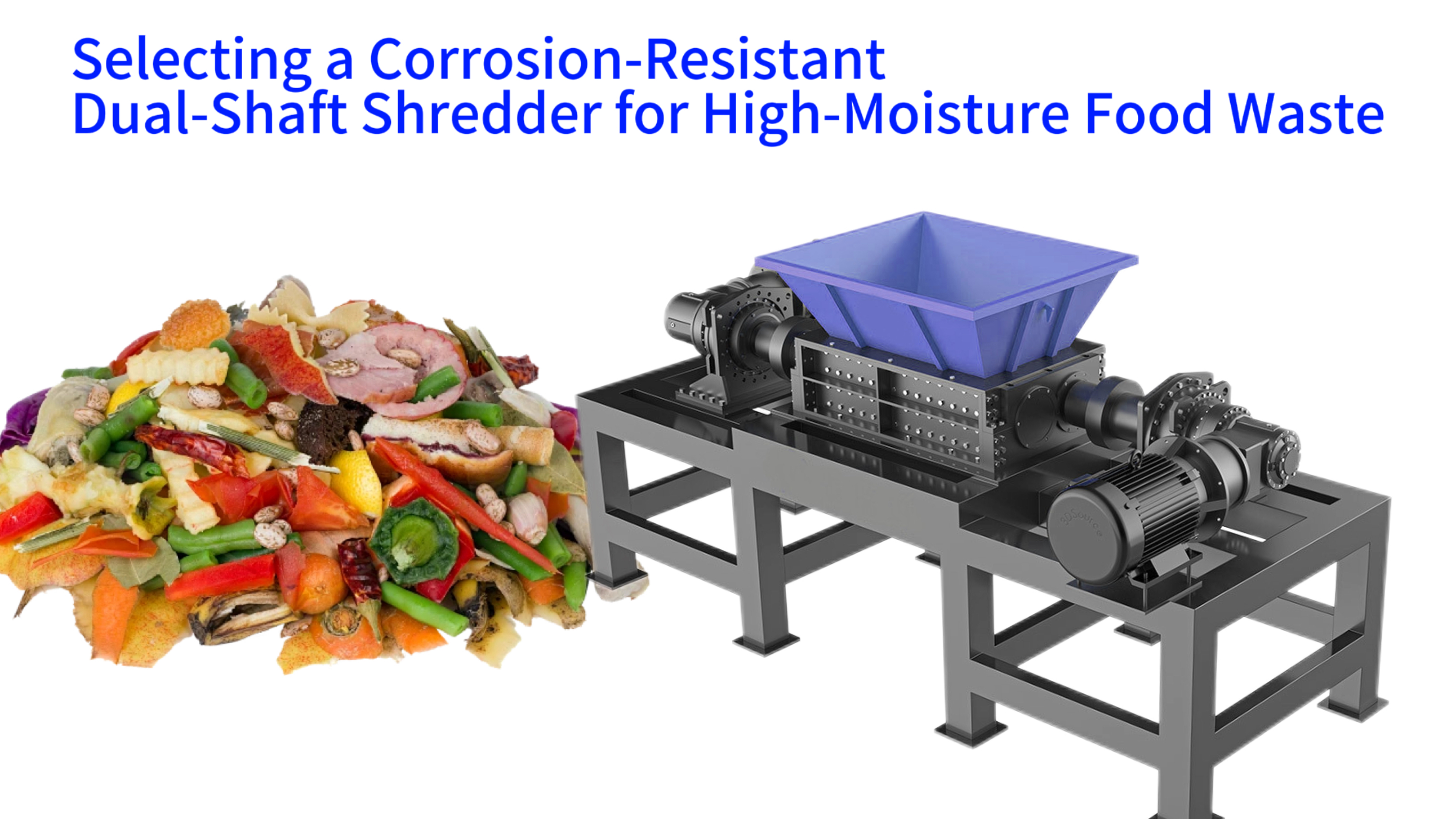
The selection of an appropriate dual-shaft shredder for processing high-moisture food waste presents a significant engineering challenge, distinct from standard solid waste handling. Conventional industrial shredders experience accelerated degradation when exposed to the corrosive compounds inherent in wet organic matter, leading to disproportionate operational costs and equipment failure. This guide provides a systematic framework for evaluating and specifying a shredder engineered to withstand these aggressive conditions, focusing on metallurgical choices, mechanical design principles, and operational protocols. By adhering to these criteria, facilities can secure an asset with enhanced longevity and reliability, thereby transforming a problematic waste stream into a manageable resource. MSW Technology, drawing upon fifteen years of application experience, has developed specific methodologies for configuring such durable solid waste double shaft shredder systems.
Understanding the Corrosive Nature of Food Waste
Food waste constitutes a uniquely aggressive environment for mechanical processing equipment, far surpassing the challenges posed by dry inert materials. The degradation mechanisms are multifaceted, involving chemical, electrochemical, and biological processes that act synergistically. A standard carbon steel machine component can fail rapidly under these conditions, not merely from wear but from pervasive corrosive attack that compromises structural integrity.
The primary corrosive agents include organic acids like lactic and acetic acid, which are byproducts of fermentation and spoilage. These compounds lower the pH of the moisture present, creating an electrolytic solution that facilitates electrochemical corrosion on metal surfaces. This process is continuous, as fresh acidic leachate is generated during the shredding and storage phases. The presence of chlorides from food salts dramatically exacerbates the situation, promoting localized pitting corrosion that can penetrate stainless steel passivation layers, leading to catastrophic component failure.
Synergistic Effect of Moisture and Organic Acids
The high water content in food waste acts as a universal solvent and electrolyte, transporting corrosive ions to metal surfaces. When combined with organic acids, this creates a sustained low-pH environment that aggressively attacks ferrous metals and can even challenge inferior grades of stainless steel. The constant wetting prevents the formation of protective oxide films that might otherwise slow corrosion in intermittent exposure scenarios.
Chloride-Induced Pitting and Stress Corrosion
Sodium chloride and other chlorides common in food are particularly detrimental to metallic integrity. Chloride ions are small and highly mobile, readily adsorbing onto metal surfaces and disrupting protective oxide layers. This leads to the initiation of pitting, a form of localized corrosion that creates deep, penetrating holes. For certain stainless steels under tensile stress, chlorides can also induce stress corrosion cracking, a brittle failure mode.
Microbiologically Influenced Corrosion
The organic-rich, moist environment is ideal for microbial colonization. Bacteria, such as sulfate-reducing bacteria, can produce hydrogen sulfide or create localized acidic micro-environments beneath biofilms. This microbiologically influenced corrosion operates in tandem with chemical corrosion, often leading to unexpected and severe localized attack in crevices and under deposits, areas that are critical in a cutting chamber.
Abrasion-Corrosion Synergy
Food waste often contains incidental abrasive contaminants like sand, soil, or shell fragments. These hard particles cause mechanical wear on shredder components, continuously scouring away the protective surface layer of the metal. This abrasion exposes fresh, active metal to the corrosive medium, creating a cycle where corrosion products are removed, and new attack is initiated at a much higher rate than corrosion or wear alone would produce.
Critical Material Selection for Key Components
Key Component Material Selection for Corrosion Resistance
<td style="padding:10px; border:1px solid #ddd; Corrosion + wear resistance; Easy replacementThe foundation of a corrosion-resistant shredder lies in the strategic specification of materials for its load-bearing and wear-prone elements. Material choice must balance corrosion resistance with necessary mechanical properties such as hardness, toughness, and fatigue strength. Optimal selection varies by component function, with a general principle of using progressively more resistant alloys for parts in direct contact with the waste stream. This approach ensures durability without incurring unnecessary cost for structural elements not directly exposed.
Industry standards from organizations like ASTM and ISO provide benchmarks for material performance, but real-world food waste environments often demand a conservative interpretation of these standards. For instance, a 304 stainless steel may be adequate for a general-purpose plastic shredder hopper but could be insufficient for prolonged contact with salted, acidic food slurries, where 316L or higher grades are warranted to prevent premature failure.
Blade Metallurgy: Stainless Steels and Carbide
Cutting blades represent the most critical wear component. Austenitic stainless steels like 316L offer excellent general corrosion resistance due to their high chromium and molybdenum content, which defends against chlorides. For cutting edges, however, hardness is paramount. Martensitic stainless steels like 440C can be heat-treated to high hardness but offer lower toughness and corrosion resistance than 316L. A prevalent solution is the use of tool steel bodies with tungsten carbide inserts or welded overlays at the cutting edge, providing an optimal combination of substrate toughness and extreme wear/corrosion resistance at the point of contact.
Shaft, Bearing, and Sealing Systems
Rotating shafts must resist both torsional stress and corrosive attack. They are often fabricated from high-strength stainless steel alloys or carbon steel with a robust cladding or coating system. Bearing selection is crucial; standard bearings fail quickly when contaminants breach seals. Options include bearings with multiple sealing lips, sometimes paired with purge ports for grease, or fully sealed ceramic bearings which are inherently inert. The sealing system around the shaft where it exits the chamber, often a combination of labyrinth seals and mechanical face seals, must prevent the ingress of acidic slurry into the bearing housing.
Construction of the Shredding Chamber and Frame
The main chamber housing the rotary cutters experiences constant bombardment from the waste stream. Lining this chamber with replaceable wear plates made from 316L stainless steel is a standard best practice. The internal geometry should be designed without pockets or ledges where material can accumulate and stagnate, creating localized corrosion hotspots. External frames, while not in direct contact, should still be protected with high-performance industrial coatings if not constructed from corrosion-resistant materials, especially in humid processing facilities.
Auxiliary Internal Components: Screens and Rams
Output size control screens and hydraulic pusher rams are vulnerable to clogging and corrosion. Screens should be made from perforated stainless steel plate of adequate thickness. Hydraulic rams require special attention to rod metallurgy and seal compatibility; piston rods are often chrome-plated or made from stainless steel to resist pitting, while wipers and seals must be selected from compounds resistant to organic acids and fats to prevent leakage and cylinder scoring.
Essential Anti-Corrosion Design Features
Superior material specification must be complemented by intelligent mechanical design focused on excluding, managing, or resisting corrosive agents. These design features differentiate a machine merely built from good materials from one engineered for a corrosive duty cycle. They address the pathways through which corrosion initiates, such as liquid ingress, material retention, and galvanic coupling.
Effective design mitigates the need for excessive maintenance and extends service intervals. It considers the entire machine envelope, from the primary waste contact zone to the supporting drive and control systems. A holistic approach ensures that a vulnerability in one subsystem, such as an inadequately protected electrical conduit, does not lead to catastrophic failure of the entire RDF shredder line, of which the primary shredder is a part.
Advanced Sealing and Enclosure Protection
Preventing the entry of corrosive liquids and vapors into sensitive areas is paramount. Drive motors and gearboxes should possess a minimum ingress protection rating of IP65, denoting complete protection against dust and low-pressure water jets. Rotating shaft seals must be multi-stage, often combining a V-ring, labyrinth, and a mechanical seal. Electrical control panels require a similar rating and should be positively pressurized with filtered air to prevent the infiltration of acidic vapors that can corrode circuit boards and terminals.
Integrated Drainage and Clean-Out Design
The machine design must facilitate complete and efficient cleaning. Internal surfaces should be sloped toward large, accessible clean-out ports or integrated drainage channels. The absence of dead zones where wet material can pack and decompose is critical. Some advanced designs incorporate built-in spray bars or ports for connecting high-pressure washers, allowing for in-place cleaning without full disassembly, a feature beneficial for maintaining hygiene in food waste processing.
Corrosion-Inhibiting Surface Finishes
For structural components where stainless steel is not cost-effective, surface preparation and coating are vital. This involves abrasive blast cleaning to a specific profile (e.g., Sa 2.5), followed by the application of a multi-coat epoxy or polyurethane system. Zinc-rich primers provide cathodic protection. Critical fasteners should be hot-dip galvanized or made from stainless steel to prevent galvanic corrosion when in contact with dissimilar metals, a common oversight in assembly.
Corrosion-Resistant Electrical and Control Components
Control systems are the nerve center of the shredder and are susceptible to corrosive failure. Contactors, sensors, and programmable logic controller (PLC) units should be housed in sealed stainless steel enclosures. Wiring should use tinned copper conductors and protective conduit. Proximity sensors for monitoring shaft speed or ram position benefit from being of a sealed, inductive type with stainless steel housings, rather than optical sensors which can be blinded by grime.
Operational and Maintenance Protocols for Wet Waste
Even a optimally designed and constructed shredder requires disciplined operation and maintenance to achieve its projected service life in a corrosive environment. These protocols act as the operational software that complements the hardware's inherent durability. They focus on controlling the feedstock, maintaining machine cleanliness, and implementing a condition-based monitoring regime. MSW Technology's field experience confirms that consistent adherence to such protocols is the single greatest factor in minimizing unscheduled downtime for shredders in food waste applications.
The goal is to manage the process to reduce the corrosive load on the machine. This involves steps both upstream and downstream of the actual shredding action. A systemic view considers the entire material handling sequence, from receiving to sizing, ensuring that the shredder is not subjected to unnecessary abuse from oversize contaminants or allowed to sit idle while packed with reactive waste.
Preprocessing and Controlled Feedstock Management
Consistent feedstock quality significantly impacts shredder wear. Preprocessing steps like removing large inert contaminants (plastic bags, metals) and, where feasible, preliminary dewatering or composting to reduce free moisture content, can lower the corrosive and abrasive challenge. Utilizing a regulated feed system, such as a conveyor or a hydraulic ram, ensures a steady, controlled infeed that prevents overloading and allows the machine to operate within its designed thermal and mechanical parameters, reducing stress corrosion potential.
Rigorous Cleaning and Drying Procedures
Post-operational cleaning is non-negotiable. Residual food waste must be flushed from the cutting chamber, screens, and feed hopper using water, potentially with a neutral-pH cleaning agent. Following washing, it is imperative to dry the internal components thoroughly. This can be achieved by running the shredder briefly in a no-load condition to eject water and using compressed air to blow out residual moisture from bearings and crevices, preventing stagnant water from initiating corrosion during shutdown periods.
Specialized Lubrication Strategies
Lubricants in this environment must do more than reduce friction; they must also resist wash-out and emulsification with water. High-adhesion, synthetic greases with corrosion inhibitors are required for bearings and open gears. Lubrication intervals may need to be shortened compared to dry applications, as the grease can be diluted or displaced by acidic liquids. Automatic lubrication systems provide a consistent supply of fresh grease, helping to purge contaminants from bearing races.
Proactive Corrosion Monitoring and Inspection
A scheduled inspection program focused on corrosion is essential. This involves visual checks of critical areas like blade edges, weld seams, and seal interfaces for early signs of pitting, cracking, or coating failure. Non-destructive testing methods, such as ultrasonic thickness gauging, can be used periodically on chamber walls to monitor material loss. Keeping a detailed log of inspection findings allows for trend analysis and predictive maintenance, enabling parts replacement before functional failure occurs.
Evaluating Return on Investment and Total Cost of Ownership
The procurement decision for a corrosion-resistant shredder necessitates a financial analysis that extends beyond the initial purchase price. A comprehensive Total Cost of Ownership model accounts for capital expenditure, operating costs, maintenance expenses, and the economic value of production uptime over the machine's expected lifespan. This analysis typically reveals that the higher initial investment in a corrosion-engineered machine is justified by dramatically lower lifetime costs, a conclusion supported by operational data from long-term installations.
Failure to account for corrosion-related degradation in a standard machine leads to significant hidden costs. These include not only direct repair and part replacement costs but also the production losses associated with unplanned downtime, the labor for emergency maintenance, and the potential for collateral damage to downstream equipment from improperly shredded material. The economic benefit of a reliable high toughness material shredding process extends throughout the waste management or recycling facility's operations.
Quantifying Initial Cost Versus Lifetime Repair and Downtime
A direct comparison often shows that a standard carbon steel shredder may require major component replacement or rebuilding within two to three years when processing food waste, with annual maintenance costs potentially exceeding 15-20% of the initial machine value. In contrast, a corrosion-resistant model may operate for five to seven years before requiring significant intervention, with annual maintenance costs below 5%. The avoided cost of production interruptions, which can be hundreds of dollars per hour, further tilts the economic balance in favor of the more durable asset.
Extended Service Life and Residual Asset Value
The engineered durability of a corrosion-resistant shredder directly translates to a longer operational lifespan. Where a standard machine might be considered fully depreciated and ready for replacement in five years, a specialized machine can remain a productive asset for a decade or more. This extended service life defers capital reinvestment. Furthermore, the robust construction and use of premium materials mean the machine retains a higher residual value in the secondary market, should the owner decide to sell or upgrade.
Ensuring Production Continuity and Processing Efficiency
Reliability is a key driver of overall plant efficiency. A shredder that operates predictably allows for optimized staffing, consistent throughput to downstream processes like anaerobic digesters or compost turners, and reliable meeting of production targets. The hidden cost of a single unplanned shutdown, including idle labor, missed processing deadlines, and potential spoilage of held feedstock, can financially outweigh months of incremental savings from choosing a less capable machine. This reliability is a core design objective for equipment supplied by experienced providers like MSW Technology.
Final Selection Checklist and Decision Framework
The selection process should conclude with a structured evaluation against a definitive checklist, transforming the technical and economic considerations into actionable procurement criteria. This framework ensures no critical factor is overlooked and facilitates objective comparison between competing supplier offerings. It moves the decision from subjective preference to a data-informed and risk-mitigated conclusion, aligning the equipment specification with the specific long-term operational and financial goals of the processing facility.
This checklist serves as both a specification tool during supplier negotiations and a verification tool upon machine delivery and commissioning. It provides a clear audit trail for the capital investment decision. Engaging a supplier with documented expertise, such as MSW Technology with its fifteen-year portfolio of specialized shredding solutions, can provide valuable guidance in completing this framework, ensuring the selected machine configuration is precisely matched to the application's demands.
Step 1: Define Specific Feedstock Characteristics and Capacity
A precise definition of the input material is the foundational step. This must go beyond "food waste" to quantify average and peak daily tonnage, typical moisture content ranges, pH level measurements if available, prevalent salt content, and the nature and percentage of abrasive contaminants. The required output particle size distribution must also be specified, as this directly influences machine power, torque, and screen configuration, parameters common to both a solid waste primary shredder and a finer reduction unit.
Step 2: Scrutinize Supplier Material Certifications and Specifications
Verbal assurances regarding material quality are insufficient. Formal procurement should require mill test reports or material certificates for all major wear and structural components, verifying compliance with international standards like ASTM A240 for stainless steel plates or specific grades for castings. The specification sheet should unambiguously list the alloy for each key part, including blades, shafts, chamber liners, and fasteners, allowing for independent verification of corrosion resistance claims.
Step 3: Conduct Site Visits or Review Application-Specific Case Studies
Empirical evidence from field operation is invaluable. Requesting visits to existing installations processing similar waste streams provides insight into long-term performance, real-world maintenance challenges, and operator feedback. When site visits are impractical, detailed case studies with photographs of components after extended service, operational data logs, and client testimonials can serve as credible proxies for firsthand observation.
Step 4: Verify After-Sales Support and Specialist Spare Parts Availability
The long-term value of the machine is inextricably linked to the supplier's support infrastructure. Inquire about the availability of a dedicated service team familiar with corrosive applications, the typical response time for technical support, and the inventory policy for critical wear parts like specialized counter knives and seals. A supplier that stocks these parts demonstrates a commitment to supporting the specialized machine they sell.
Step 5: Perform a Comprehensive Total Cost of Ownership Analysis
Construct a financial model comparing all qualified bids. Inputs should include the purchase price, estimated energy consumption, projected costs for routine maintenance consumables (grease, filters), forecasted costs for wear part replacement based on provided data, and expected labor costs for maintenance. The model should project these costs over a minimum of a seven-year period. The output will be a clear comparison of the net present value of each option, highlighting the most economically rational choice beyond the initial price tag.